

Table of Contents
Introduction
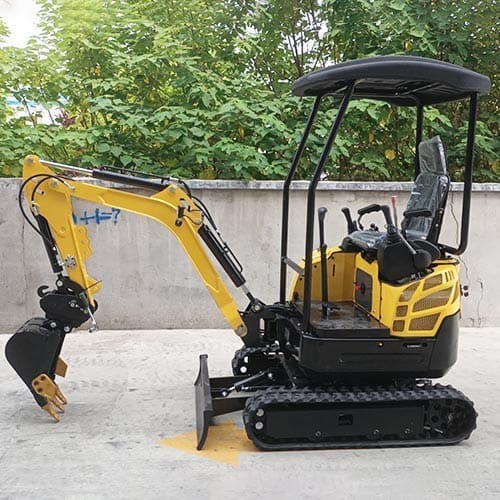
Small construction, landscaping, and utility projects often require versatile yet compact machinery. A 2 ton mini excavator combines maneuverability, power, and efficiency, making it the ideal solution for tight job sites. This guide will explore features, performance comparisons, attachments, real-life applications, and practical advice to help contractors and small business owners make informed decisions.
Overview of a 2 Ton Mini Excavator
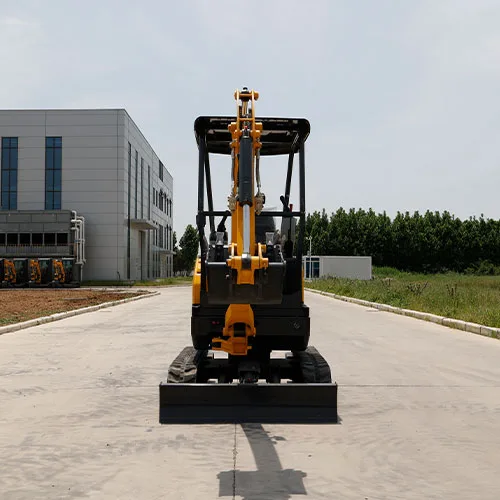
A 2 ton mini excavator is a compact and lightweight machine designed to perform excavation and material handling in constrained spaces. Its small footprint allows it to operate where larger equipment cannot, while providing sufficient power for most small-to-medium tasks.
Design and Build
The machine typically features a short tail swing, hydraulic digging system, and a reinforced chassis. This ensures stability during digging and transport, while maintaining flexibility in tight areas.
Core Advantages
The main benefits include high precision, reduced labor costs, and low fuel consumption. Operators can execute complex landscaping or construction tasks without the bulk and maneuvering challenges of larger machines.
Key Functions of a 2 Ton Mini Excavator
Excavation and Digging Capabilities
Equipped with a hydraulic arm and adjustable bucket, the mini excavator can dig trenches, remove soil, or prepare foundations. Depth and reach are suitable for small residential projects, pipeline installation, and garden landscaping.
Maneuverability in Confined Spaces
The short swing radius and compact size make it perfect for urban projects, garden renovations, and small construction sites. Operators can move around obstacles and navigate narrow access points efficiently.
Fuel Efficiency and Eco-Friendliness
Modern 2 ton mini excavators are fitted with low-emission engines, reducing environmental impact while lowering operational costs. Fuel efficiency is a critical factor for small contractors managing multiple short-term projects.
Safety and Operator Comfort
Operator cabins are ergonomically designed with adjustable seats, intuitive controls, and excellent visibility. Safety features such as rollover protection, easy entry/exit, and emergency shutoff systems enhance operational confidence.
Parameter Comparison of Popular 2 Ton Mini Excavator Models
The table below helps compare common 2 ton mini excavator models based on key specifications:
| Brand | Engine Power | Max Digging Depth | Bucket Capacity | Weight | Key Features |
|---|---|---|---|---|---|
| Kubota KX61-3 | 14.8 kW | 2.4 m | 0.08 m³ | 2,100 kg | Fuel efficient, easy maintenance |
| Bobcat E35 | 18.4 kW | 2.5 m | 0.10 m³ | 3,500 kg | Advanced hydraulics, comfortable cabin |
| Caterpillar 301.7D | 17 kW | 2.4 m | 0.09 m³ | 2,500 kg | Precise controls, durable frame |
| JCB 8026 CTS | 18 kW | 2.6 m | 0.11 m³ | 2,600 kg | Easy transport, strong digging force |
This comparison allows operators to understand performance differences, helping with selection based on digging depth, engine power, and available attachments.
Attachments and Expandable Functions
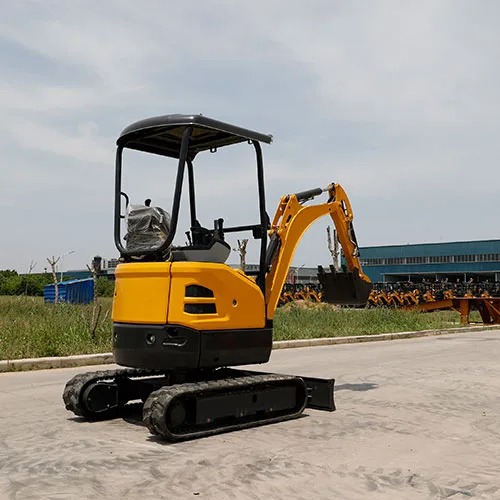
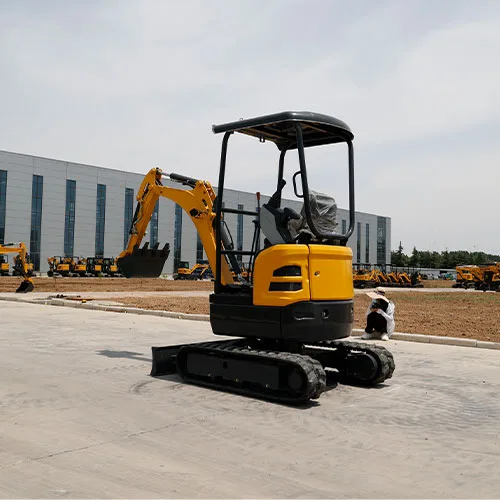
Hydraulic Hammer
The hydraulic hammer attachment transforms the mini excavator into a demolition tool, breaking concrete or rocks efficiently. It is widely used in urban renovation and small construction projects.
Augers and Grapples
Augers allow rapid post-hole drilling for fencing or landscaping, while grapples enable handling of debris, logs, or scrap. These attachments turn the 2 ton mini excavator into a multi-functional workhorse.
Tilt Buckets and Grading
Tilt buckets improve precision in grading, trenching, and angled excavation. They reduce manual rework and improve project quality.
Real-World Use Cases
Residential Landscaping
A landscaping company in California used a Kubota KX61-3 to dig ponds, plant trees, and prepare garden beds in tight backyard spaces. The machine’s compact design allowed work without disturbing the existing landscape.
Urban Construction
In New York, a contractor used a Bobcat E35 for utility trenching in narrow streets. Its short tail swing and precise hydraulics minimized site disruption while completing the job on time.
Agricultural Applications
A farm in Texas employed a Caterpillar 301.7D to dig irrigation channels and small drainage systems. The lightweight mini excavator reduced soil compaction compared to larger machines, protecting crops.
These cases highlight versatility and confirm that a properly selected 2 ton mini excavator can handle diverse tasks efficiently.
Choosing the Right 2 Ton Mini Excavator
New vs Used Machines
New models offer warranties, the latest engine technology, and reduced maintenance needs. Used machines save costs but require careful inspection for wear, hydraulic leaks, and track condition.
Domestic vs Imported Equipment
Domestic models are easier to service and often cheaper to maintain, while imported machines may provide advanced hydraulics, smoother controls, and better cabin comfort. Choosing depends on budget, intended usage, and maintenance access.
Matching Attachments to Projects
Selecting the right attachment maximizes versatility. Contractors should assess project types—digging, demolition, grading, or material handling—and choose compatible tools to enhance efficiency.
Maintenance and Longevity
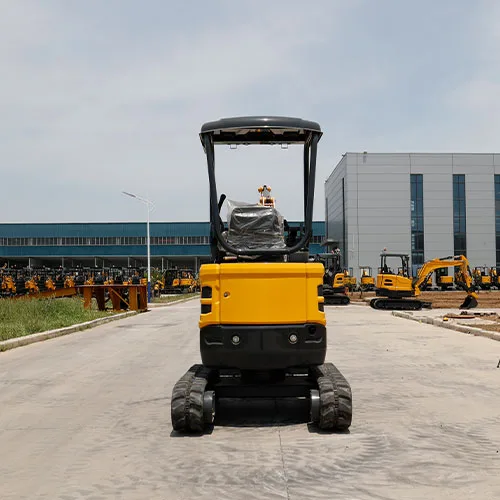
Daily Checks
Operators should inspect hydraulic fluid, engine oil, tracks, and bucket condition daily. Minor adjustments prevent larger issues.
Scheduled Servicing
Regular oil changes, filter replacement, and lubrication of moving parts are essential. Well-maintained machines have higher resale value and ensure uninterrupted operation.
Operator Training
Proper training on controls and safety protocols reduces accidents and maximizes efficiency. Even experienced operators benefit from periodic refresher courses.
Conclusion
A 2 ton mini excavator is a versatile, compact solution for small-scale construction, landscaping, and agricultural projects. Understanding specifications, attachments, maintenance, and real-world use cases ensures operators maximize efficiency and return on investment. Proper selection and upkeep extend machine lifespan and allow consistent performance across multiple applications.
Contact our engineers for personalized advice tailored to your projects, budget, and site requirements.
FAQ
What can a 2 ton mini excavator do?
It can dig trenches, move soil, handle debris, and perform landscaping or small construction tasks efficiently.
How deep can a 2 ton mini excavator dig?
Most models can reach 8–10 feet, suitable for residential foundations, garden ponds, or utility trenches.
How much does a 2 ton mini excavator cost?
New machines range from $25,000–$45,000 depending on brand and features. Used units are cheaper but require careful inspection.
Can it work in tight spaces?
Yes, its compact design and short tail swing allow operation in backyards, narrow streets, and confined construction sites.
What attachments are compatible?
Hydraulic hammers, augers, grapples, tilt buckets, and grading tools expand capabilities.
Should I buy new or used?
New machines offer reliability and warranty; used machines save money but require inspection of hydraulic systems, tracks, and engine health.
How do I maintain it?
Check fluids daily, lubricate joints, inspect tracks and bucket, and follow scheduled servicing.