
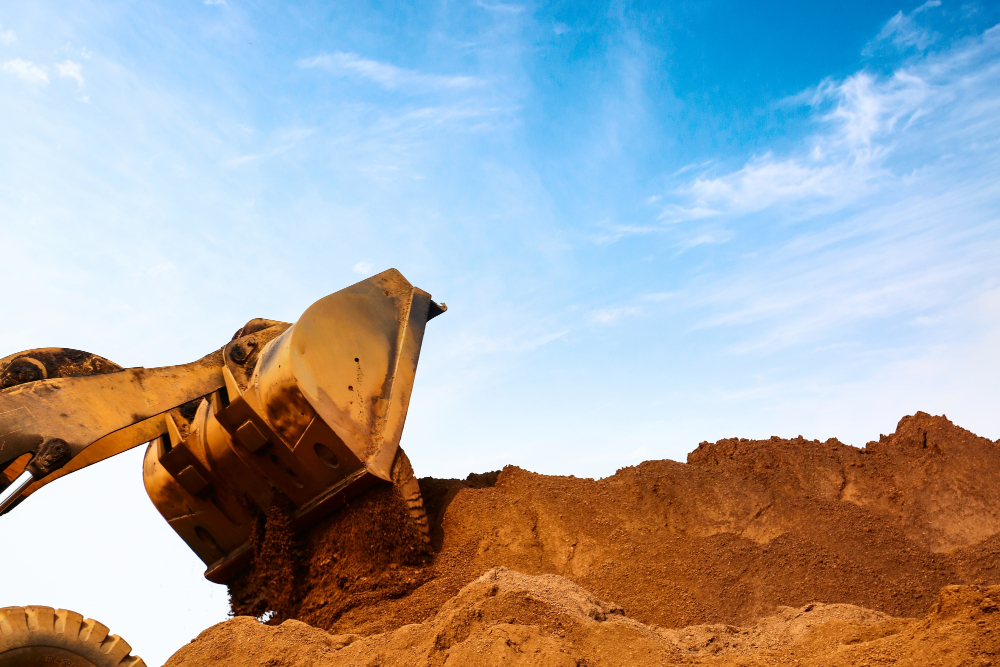
Heavy equipment procurement in the 20 to 30-ton range represents the most critical investment for earthmoving and civil engineering firms. Conducting a rigorous 30 ton used excavator comparison is essential for identifying the balance between operational overhead and hydraulic performance.
This tonnage range is often referred to as the “Golden Class.” It offers enough versatility for urban utility work while providing the breakout force required for heavy foundation digging. However, without a data-driven 30 ton used excavator comparison, buyers often overlook the hidden costs of fuel consumption and component wear.
Table of Contents
The “Golden Tonnage” Logic: Why 20-30 Tons?
The 20-30 ton range is the backbone of global infrastructure. In this segment, the 30 ton used excavator comparison highlights a significant jump in productivity compared to smaller 15-ton units.
A 30-ton machine typically offers 50% more bucket capacity and 40% more digging force than a standard 20-ton model. For large-scale earthmoving, the efficiency gain often justifies the higher initial acquisition cost found in any 30 ton used excavator comparison.
However, for contractors focusing on urban development, a 20-ton machine like the 2020 XCMG XE215DA
provides a more compact footprint and lower transport costs. Deciding between 30 ton vs 20 ton excavator for earthmoving requires analyzing the specific volume of material to be moved per hour.
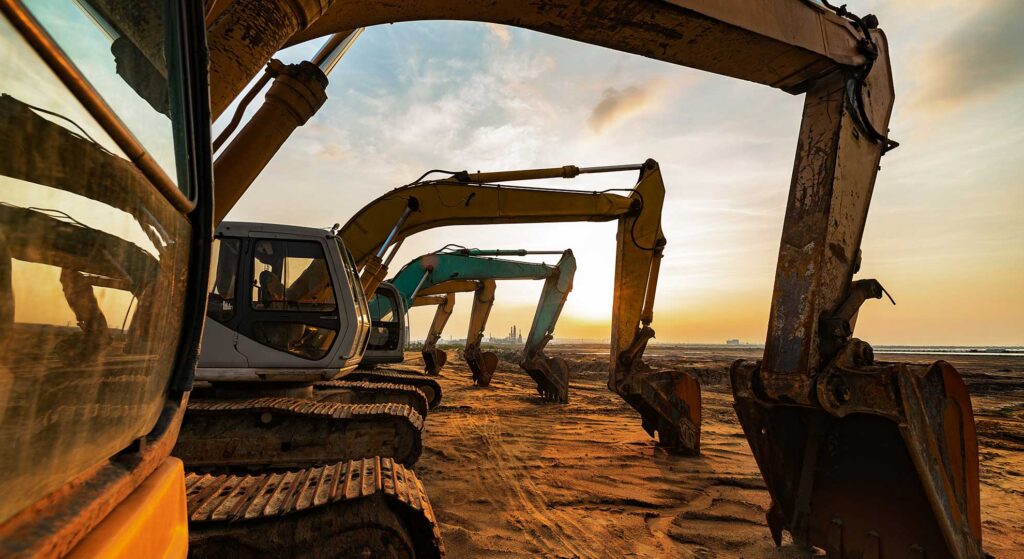
Deep Comparison: Performance Metrics
When executing a 30 ton used excavator comparison, four technical pillars define the machine’s value: Fuel Efficiency, Digging Force, Hydraulic Response, and Operator Ergonomics.
1.Fuel Consumption Comparison
Fuel accounts for nearly 30% of total operating costs. Modern 20-30 ton excavator specifications prioritize intelligent hydraulic systems that adjust engine RPM based on load.
For instance, the 2023 Caterpillar 320D sets the industry standard for fuel-to-production ratios. In a 30 ton used excavator comparison, the Cat 320 series’ electronic control system often outperforms older mechanical pumps in varied load cycles.
2.Hydraulic Digging Force Analysis
Breaking through hard-packed clay or rock requires high breakout force. A detailed 30 ton used excavator comparison reveals that 30-ton machines typically utilize twin-pump hydraulic systems providing over 200 kN of bucket digging force.
Heavy-duty models like the 2019 Sany SY365H are specifically reinforced for mining and heavy foundations. This machine represents the upper limit of the 30-ton class, offering reinforced booms and larger cylinders that are vital in any 30 ton used excavator comparison involving heavy-duty
3.Precision and Reliability
For precision tasks like slope finishing, the 2018 Komatsu PC220-8 is frequently cited in the reliability of used heavy machinery discussions. Its closed-center load-sensing system (CLSS) ensures synchronized hydraulic movements, a factor that is often a deciding point in a Cat vs Komatsu 30 ton used excavator comparison.
Application Matching: Choosing the Right Setup
The best machine is not the one with the highest horsepower, but the one that matches your specific site conditions.
- Earthmoving and Mass Excavation: Prioritize bucket capacity and swing speed. A 30 ton used excavator comparison for this application favors machines with high-flow hydraulics.
- Foundation and Basement Digging: Focus on depth and stability. The 2016 Hyundai 215VS
is a strong contender for best used 30 ton excavator for foundation excavation in mid-sized commercial projects due to its balanced operating weight. - Material Handling: Reach and lift capacity are paramount.
Technical Specification Comparison Table
This table provides a generalized 30 ton used excavator comparison against the 20-ton standard to help you visualize the operating weight and bucket capacity for 30t machines.
| Technical Metric | 20-Ton Class Standard | 30-Ton Class Standard | Impact on Project |
| Operating Weight | 20,000 – 22,500 kg | 29,000 – 33,000 kg | Ground pressure & stability |
| Bucket Capacity | 0.8 – 1.1 m³ | 1.4 – 1.8 m³ | Tons per hour productivity |
| Engine Power | 110 – 130 kW | 180 – 210 kW | Speed under heavy load |
| Max Digging Depth | 6.5 – 6.7 meters | 7.3 – 7.5 meters | Capability for deep trenches |
| Avg. Fuel Burn | 12 – 16 L/hour | 22 – 28 L/hour | Daily operational cost |
Value Assessment: Determining a Fair Price
How do you determine if the price in a 30 ton used excavator comparison is fair? In the B2B heavy equipment procurement sector, price is a function of remaining service life.
1.Engine/Pump Condition: Replacing a main hydraulic pump on a 30-ton machine can cost $15,000+.
2.Undercarriage Wear: Check the remaining life of the tracks, idlers, and sprockets.
3.MTR and Service History: Verified maintenance logs significantly increase the residual value.
Learning how to evaluate 30 ton used excavator residual value involves comparing the current hour meter reading against the industry average of 1,500 hours per year. Machines exceeding this average should see a 10-15% price reduction in your final 30 ton used excavator comparison.
Conclusion
Selecting between a 20-ton and a 30-ton excavator requires more than just looking at the price tag. By focusing on hydraulic digging force, fuel efficiency, and specific application needs, you can secure an asset that maximizes ROI. Whether you choose the precision of a Komatsu or the raw power of a Sany, ensure your procurement is backed by hard data.
FAQ
Which brand has the best resale value in the 30-ton class?
Caterpillar and Komatsu consistently hold the highest residual values globally due to their massive spare parts network and perceived reliability.
How much fuel does a 30-ton excavator use per hour?
On average, 22 to 28 liters per hour depending on the work mode (Economy vs. Power) and the material density.
Is it difficult to transport a 30-ton excavator?
Yes, compared to a 20-ton machine. 30-ton units often require a specialized heavy-haul trailer and, in some regions, specific transit permits due to their width and weight.
What is the most common failure in used 30-ton machines?
Hydraulic seal leaks and final drive motor wear are common after 8,000 operating hours. Always perform a pressure test on the hydraulic system before purchase.