
Table of Contents
Introduction

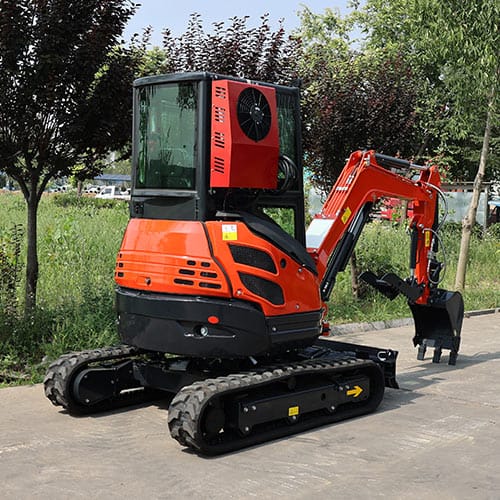
Excavators are among the most versatile machines in the construction, mining, and landscaping industries. From digging trenches and foundations to lifting heavy materials and demolishing structures, these machines are indispensable. However, despite their advanced capabilities, many operators develop habits that drastically reduce efficiency, increase operational costs, and even compromise safety. Understanding these habits is crucial for operators, managers, and construction teams aiming to optimize productivity and minimize downtime.
Efficiency in excavator operations does not only mean faster digging or lifting. It also encompasses fuel efficiency, proper maintenance, machine longevity, and safe work practices. Even small inefficiencies, when compounded over days or months, can lead to substantial financial losses. For example, if an operator consistently mismanages load distribution or skips daily inspections, the resulting downtime can cost thousands of dollars in repair and lost labor.
This article will explore six dangerous excavator habits that hinder efficiency, provide practical solutions to avoid them, and offer tips for maintaining optimal performance.
Neglecting Daily Excavator Inspections
Skipping Visual Checks Before Operation
Many operators underestimate the importance of daily visual inspections. Skipping checks for fluid leaks, worn-out tracks, or loose bolts might save a few minutes at the start of the day but can result in serious breakdowns later. A leaking hydraulic hose, for instance, might not seem urgent initially, but if left unchecked, it can halt an entire project and lead to costly repairs.
Daily inspections should include:
- Checking hydraulic fluid levels
- Inspecting tracks and undercarriage
- Examining attachments for cracks or wear
- Ensuring all bolts and fasteners are tight
Regular inspections reduce unexpected downtime and extend the life of the excavator components. A well-maintained excavator also performs more smoothly, consuming less fuel and reducing operator fatigue.
Ignoring Safety Features
Modern excavators are equipped with multiple safety features, such as rear-view cameras, alarms, and seat sensors. Operators who bypass these features in an attempt to save time increase the risk of accidents. For instance, ignoring backup alarms or disabling cameras can lead to collisions with workers or other equipment, causing injuries and project delays.
Routine inspections should verify that all safety systems are functional. Incorporating safety checks into daily routines not only protects operators but also prevents incidents that can halt projects for hours or days.
Overloading the Excavator Bucket
Why Overloading Reduces Productivity
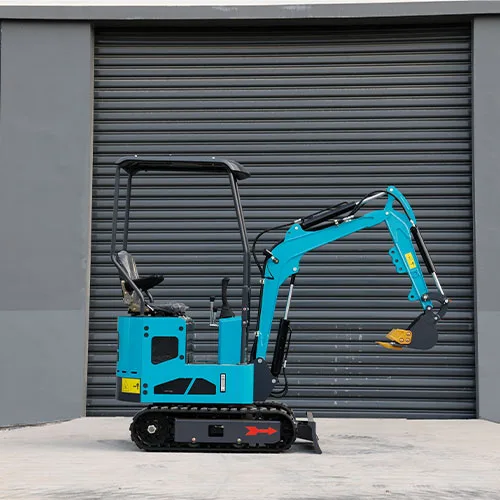
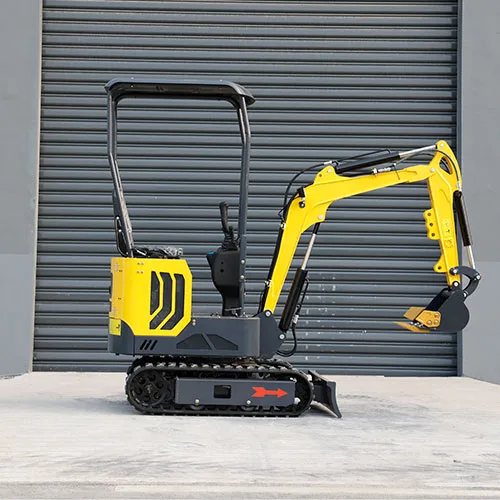
A common misconception among operators is that overloading the bucket will speed up operations. In reality, excessive loads strain the hydraulic system and engine, slow down cycle times, and increase wear on the machine’s components. Overloaded buckets can also cause instability, increasing the risk of tipping, which endangers both the operator and the worksite.
Over time, repeated overloading can damage the boom, arm, and pivot pins, requiring expensive repairs. Even if the machine does not fail immediately, its efficiency drops due to slower and less precise movements.
Tips for Proper Excavator Loading
- Understand the rated load capacity of the excavator.
- Avoid sudden lifting of heavy loads.
- Use correct digging techniques to distribute material evenly.
- Train operators to monitor the machine’s response and adjust loads accordingly.
Proper load management ensures that each bucket cycle contributes to maximum productivity without compromising safety or machine longevity.
Poor Excavator Movement Practices
Excessive Swinging and Jerky Motions
Many operators attempt to complete tasks faster by swinging the excavator too quickly or making jerky, abrupt movements. While it may seem efficient, this habit significantly increases fuel consumption and accelerates wear on the swing motor, hydraulic pump, and bearings. Over time, these small inefficiencies add up, leading to higher maintenance costs and lower overall productivity.
Maintaining Smooth Excavator Operations
- Plan movements to minimize unnecessary swings.
- Use fluid, controlled motions instead of abrupt starts and stops.
- Encourage operators to monitor fuel consumption as a metric for efficiency.
Smooth operation not only preserves the machine but also ensures that operators can work longer hours with less fatigue, improving overall productivity.
Ignoring Excavator Maintenance Schedule
The Cost of Skipping Scheduled Services
Regular maintenance is critical for excavator efficiency. Skipping scheduled services, such as hydraulic fluid changes, filter replacements, and track adjustments, can result in component failures and costly downtime. Many operators assume that because the machine is still running, maintenance can wait. However, this approach often leads to breakdowns that could have been prevented with routine care.
Creating a Maintenance Checklist
| Maintenance Task | Frequency | Impact on Efficiency |
|---|---|---|
| Engine oil replacement | Every 250 hours | Reduces wear and improves performance |
| Hydraulic filter change | Every 500 hours | Maintains smooth hydraulic operation |
| Track tension adjustment | Monthly | Prevents track slippage and downtime |
| Greasing pivot points | Weekly | Reduces friction and component wear |
| Air filter inspection | Weekly | Prevents engine damage and reduces fuel use |
A clearly defined maintenance schedule ensures all critical tasks are performed on time, extending the life of the excavator and maintaining optimal performance.
Poor Excavator Operator Training
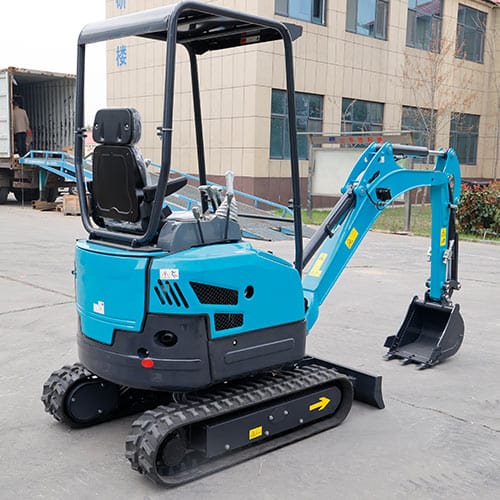
How Lack of Training Affects Efficiency
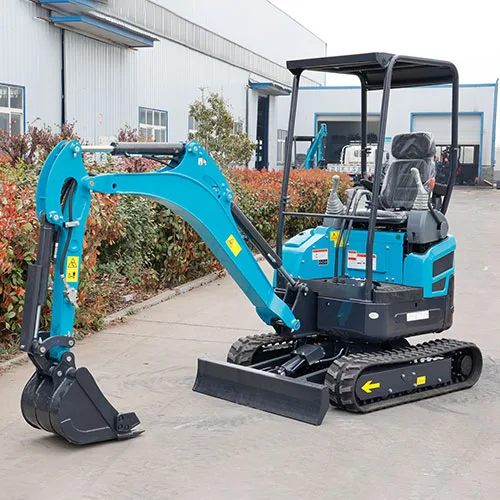
Operators who lack proper training often make mistakes that reduce efficiency. For example, improper bucket angles, incorrect digging techniques, and failure to recognize hazards can slow down operations. Poorly trained operators may also misuse attachments, causing damage and increasing repair costs.
Case studies have shown that companies investing in regular operator training experience up to 20% higher productivity and lower maintenance costs compared to teams without formal training programs.
Investing in Skill Development
Regular training programs and refresher courses keep operators updated with the latest techniques and safety standards. Simulation-based training can also help operators practice complex maneuvers without risking damage to real equipment. By prioritizing skill development, construction teams can maximize excavator efficiency and reduce operational risks.
Ignoring Worksite Planning
Why Site Layout Matters
Even the most skilled excavator operator can struggle on a poorly organized site. Obstacles, poorly placed materials, and uncoordinated machinery movements waste time and reduce efficiency. Clear worksite planning ensures that excavators can operate with minimal interference and optimal material flow.
Optimizing Excavator Workflow
- Plan site layout before starting operations.
- Designate safe zones for material placement.
- Coordinate with other equipment to minimize idle time.
- Use digital tools for material tracking and workflow optimization.
Effective site planning not only improves efficiency but also reduces safety risks, fuel consumption, and wear on the excavator.
Conclusion
Avoiding these six dangerous excavator habits can dramatically improve productivity, reduce maintenance costs, and enhance operator safety. Routine inspections, proper training, careful load management, smooth operation techniques, and proactive maintenance are the foundations of efficient excavator operations.
Construction teams that implement these practices consistently can achieve faster project completion, lower operating costs, and extended machine lifespans. Efficient excavator use is not just about speed; it’s about sustainability, safety, and long-term productivity.
FAQ
Q1: How often should an excavator be inspected?
Daily inspections before operation are recommended to catch potential issues early.
Q2: Can overloading an excavator cause permanent damage?
Yes, consistently overloading the bucket can strain the hydraulic system and engine, leading to long-term damage.
Q3: What is the best way to improve operator efficiency?
Investing in proper training, promoting smooth operation habits, and providing a clear worksite layout are key strategies.
Q4: How important is regular maintenance for excavator efficiency?
Extremely important. Following the manufacturer’s service schedule prevents costly downtime and mechanical failures.
Q5: Can digital tools improve excavator workflow?
Yes, using software for material tracking and workflow planning helps reduce idle time and enhances operational efficiency.