
Welcome to My Blog!
Before we dive into the content, I’d love for you to join me on my social media platforms where I share more insights, engage with the community, and post updates. Here’s how you can connect with me:
Facebook:https://www.facebook.com/people/Shandong-Huaying-International-Trade-CoLtd/61569380364327/
Now, let’s get started on our journey together. I hope you find the content here insightful, engaging, and valuable.
Table of Contents
Introduction
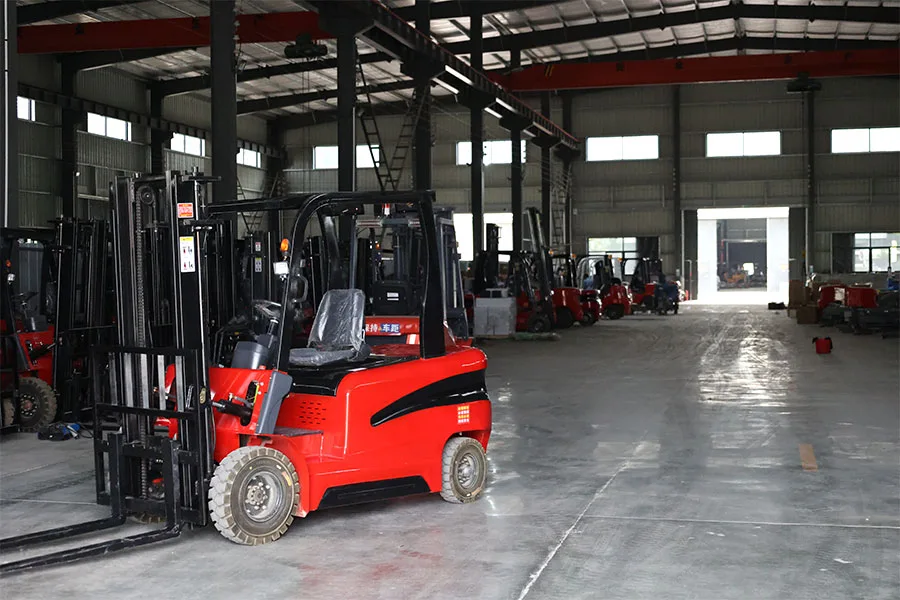
In the world of material handling and warehouse operations, efficiency, sustainability, and cost-effectiveness are paramount. While traditional internal combustion (IC) forklifts have been the go-to choice for decades, electric forklifts are rapidly gaining popularity for their numerous advantages. At Shandong Huaying International Trade Co., Ltd., we specialize in providing high-quality electric forklifts designed to meet the needs of modern businesses. In this blog, we’ll explore six shocking reasons why upgrading to an electric forklift could be the best decision for your operations. From cost savings to environmental benefits, enhanced safety to improved productivity, electric forklifts are revolutionizing the industry.
Reason 1: Significant Cost Savings
One of the most compelling reasons to transition to these advanced machines is the potential for substantial cost savings. While the initial investment may be higher compared to traditional models, the long-term financial benefits far outweigh the upfront costs. Businesses that make the switch often find that these machines pay for themselves over time through reduced operational expenses and improved efficiency.
How Electric Forklifts Save Money
- Lower Fuel Costs: Unlike traditional models that rely on gasoline or diesel, these machines run on batteries. This eliminates the need for expensive fuel, resulting in significant savings, especially for businesses with high usage rates. Over time, the reduction in fuel expenses can add up to a considerable amount, making them a cost-effective choice.
- Reduced Maintenance: With fewer moving parts, these machines require less maintenance and fewer repairs. There’s no need for oil changes, fuel filter replacements, or spark plug maintenance, which are common with internal combustion (IC) models. This not only lowers maintenance costs but also minimizes downtime, keeping operations running smoothly.
- Longer Lifespan: Known for their durability, these machines often have a longer operational life compared to traditional models. With proper care and maintenance, they can outlast their IC counterparts, providing better value over time. This extended lifespan means businesses can delay the need for costly replacements, further enhancing their return on investment.
By adopting these machines, businesses can dramatically reduce their operational expenses and achieve a faster return on investment. The combination of lower fuel and maintenance costs, coupled with their extended lifespan, makes them a financially savvy choice for companies looking to optimize their budgets.
Reason 2: Environmental Friendliness
As companies increasingly prioritize sustainability, electric forklifts offer a greener alternative to traditional IC forklifts.
Eco-Friendly Benefits
- Zero Emissions: Electric forklifts produce no harmful emissions, making them ideal for indoor use. This not only protects the environment but also ensures a healthier workplace for employees.
- Reduced Carbon Footprint: By eliminating the need for fossil fuels, electric forklifts contribute to a cleaner environment and help businesses meet their sustainability goals.
- Energy Efficiency: Electric forklifts are more energy-efficient, converting a higher percentage of energy into productive work. This reduces overall energy consumption and lowers utility costs.
For businesses committed to sustainability, electric forklifts are a clear choice. They not only reduce environmental impact but also enhance corporate social responsibility efforts.
Reason 3: Improved Workplace Safety
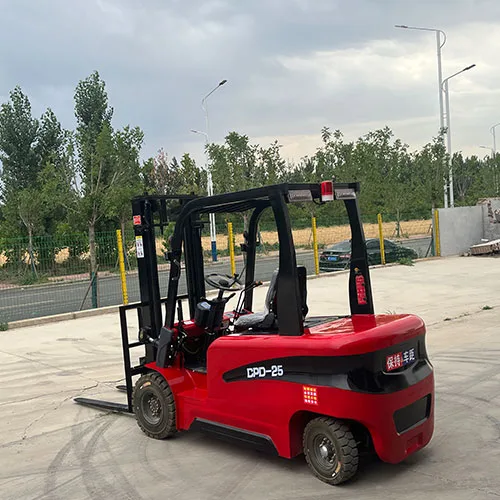
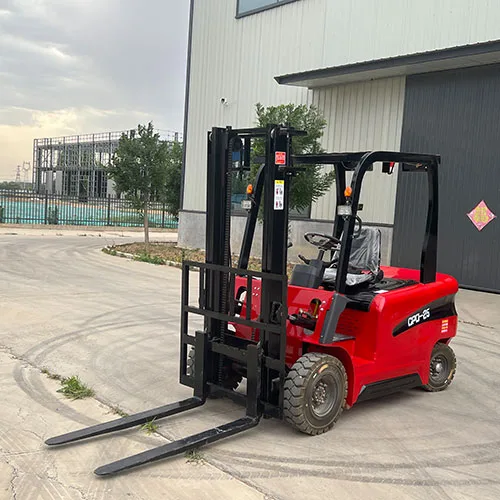
Safety is a top concern in any workplace, and electric forklifts offer several advantages in this area.
Safety Features of Electric Forklifts
- Quiet Operation: Electric forklifts produce less noise, reducing the risk of hearing damage and improving communication among workers. This is particularly beneficial in busy warehouses or manufacturing facilities.
- Stable Performance: Their low center of gravity makes them less prone to tipping, ensuring safer operation even when handling heavy loads.
- No Harmful Fumes: Without emissions, electric forklifts create a healthier environment for workers, reducing the risk of respiratory issues and other health problems.
These safety benefits make electric forklifts a wise investment for any business. By prioritizing worker safety, companies can reduce accidents, improve morale, and enhance overall productivity.
Reason 4: Enhanced Productivity
These innovative machines are engineered to significantly boost productivity, enabling businesses to achieve their operational goals with greater efficiency.
Productivity Advantages
- Faster Acceleration: These vehicles respond quickly, reducing cycle times and allowing operators to complete tasks more efficiently. This swift response is particularly beneficial in fast-paced environments where time is of the essence.
- Consistent Performance: Unlike traditional models, they maintain power levels without the need for refueling. This ensures uninterrupted operation and minimizes downtime, keeping workflows smooth and efficient.
- Ease of Use: With intuitive controls, they are easy to operate, even for novice drivers. This reduces the time required for training and allows employees to become productive more quickly.
By enhancing productivity, these machines can help businesses stay competitive in today’s fast-paced market. Whether you’re managing a warehouse, distribution center, or manufacturing facility, they can streamline your operations and improve overall efficiency.
Reason 5: Versatility in Applications
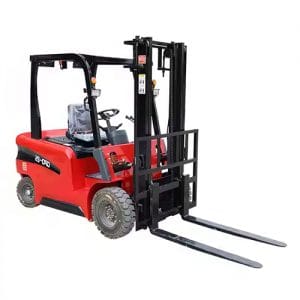
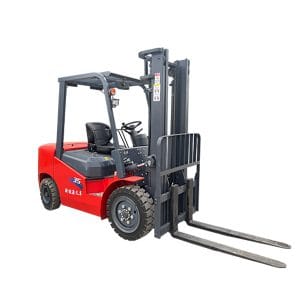
These machines are incredibly versatile, making them suitable for a wide range of industries and tasks.
Versatile Use Cases
- Indoor and Outdoor Use: Modern versions are designed to handle both environments, providing flexibility for businesses with diverse operational needs. This adaptability ensures they can perform well in various settings, from warehouses to construction sites.
- Specialized Attachments: They can be equipped with various attachments for specific tasks, such as side shifters, clamps, and rotators. This makes them ideal for handling different types of materials, from pallets to heavy machinery.
- Compact Design: Their smaller size allows them to navigate tight spaces with ease, making them perfect for crowded warehouses or facilities with limited space.
This versatility makes them a valuable asset for any operation. Whether you’re moving pallets, handling heavy machinery, or managing inventory, they can adapt to your needs and enhance your operational capabilities.
Reason 6: Compliance with Regulations
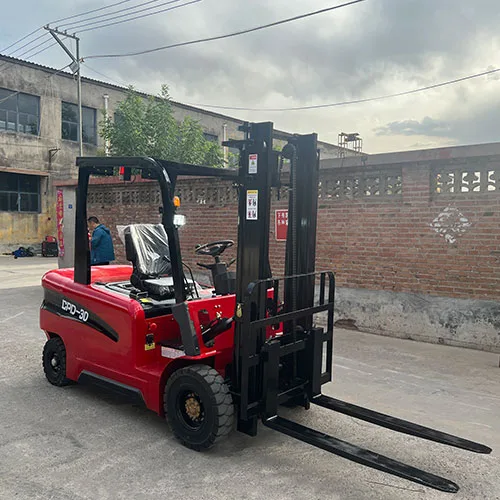
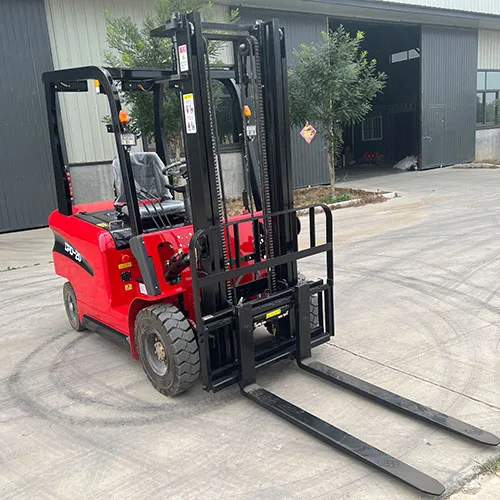
As governments worldwide implement stricter environmental and safety regulations, electric As governments worldwide implement stricter environmental and safety regulations, these machines help businesses stay compliant.
Regulatory Benefits
- Emission Standards: They meet or exceed emission regulations, ensuring compliance with environmental laws. This is particularly important for businesses looking to reduce their environmental impact and avoid penalties.
- Indoor Air Quality: They help businesses comply with indoor air quality standards, creating a safer and healthier workplace. This is especially crucial in enclosed environments where air quality can directly impact worker health.
- Noise Regulations: Their quiet operation ensures compliance with noise restrictions, reducing the risk of fines or penalties. This makes them ideal for workplaces where noise levels need to be kept to a minimum.
By upgrading to these machines, businesses can avoid costly fines and penalties while staying ahead of regulatory changes. This not only protects the company’s bottom line but also enhances its reputation as a responsible and forward-thinking organization.
Comparison of Electric Forklifts vs. IC Forklifts
To help you understand the differences between electric and IC forklifts, here’s a table comparing their key features:
| Feature | Electric Forklift | IC Forklift |
|---|---|---|
| Fuel Source | Battery | Gasoline/Diesel/LPG |
| Emissions | Zero | High |
| Noise Level | Low | High |
| Maintenance Cost | Low | High |
| Lifespan | Longer | Shorter |
| Initial Cost | Higher | Lower |
This table highlights the advantages of electric forklifts, making it clear why they are the future of material handling.
Common Misconceptions About Electric Forklifts
Despite their numerous advantages, some businesses remain hesitant to adopt these advanced models due to persistent misconceptions. These myths often stem from outdated information or a lack of familiarity with modern advancements in technology. Let’s take a closer look at these misconceptions and debunk them to help businesses make informed decisions.
Debunking Myths
- Myth 1: Lack of Power:One of the most common misconceptions is that these machines lack the power to handle demanding tasks. In reality, modern versions are just as robust as traditional internal combustion (IC) models. Thanks to significant advancements in battery and motor technology, they can effortlessly manage heavy loads, even in challenging environments. Whether it’s lifting pallets in a warehouse or moving bulky materials on a construction site, these machines deliver consistent and reliable performance.
- Myth 2: Limited to Indoor Use:Another widespread belief is that they are only suitable for indoor environments. While it’s true that they excel in enclosed spaces due to their zero emissions and quiet operation, many modern designs are built to handle outdoor conditions as well. They can navigate various terrains, including gravel, grass, and uneven surfaces, making them a versatile choice for businesses with diverse operational needs.
- Myth 3: Insufficient Battery Life:A third misconception is that their battery life is too short to sustain a full workday. However, advancements in battery technology have significantly improved their endurance. With proper charging practices and maintenance, these machines can operate for an entire shift without interruption. Additionally, many models feature quick-swap battery systems, allowing for seamless transitions and minimal downtime.
By dispelling these myths, businesses can make informed decisions about upgrading to electric forklifts.
Conclusion
Upgrading to an electric forklift offers numerous benefits, from cost savings and environmental friendliness to improved safety and productivity. At Shandong Huaying International Trade Co., Ltd., we are proud to offer high-quality electric forklifts that meet the needs of modern businesses. By making the switch, you can not only enhance your operations but also contribute to a more sustainable future. Whether you’re looking to reduce costs, comply with regulations, or boost efficiency, an electric forklift is a smart investment that will pay off in the long run. Don’t wait—explore the advantages of electric forklifts today and take your business to the next level.
FAQ
Q1: How long does the battery last on an electric forklift?
The battery life typically ranges from 6 to 8 hours, depending on usage and charging practices.
Q2: Can electric forklifts handle heavy loads?
Yes, modern electric forklifts are designed to handle heavy loads, with capacities often exceeding those of IC forklifts.
Q3: Are electric forklifts more expensive to maintain?
No, electric forklifts have lower maintenance costs due to fewer moving parts and no need for fuel-related upkeep.
Q4: How long does it take to charge an electric forklift?
Charging times vary but typically range from 8 to 10 hours for a full charge.
Q5: Are electric forklifts suitable for outdoor use?
Yes, many electric forklifts are designed to perform well in both indoor and outdoor environments.