I’m thrilled to have you here! Before we dive into the content, let’s stay connected. Join me on my social media platforms for more insights, community engagement, and regular updates. Here’s where you can find me:
📌 Facebook: Shandong Huaying International Trade Co., Ltd.
Now, let’s embark on this journey together. I hope you find the content here not only insightful and engaging but also valuable to your interests. Let’s learn, grow, and connect!
Table of Contents
Introduction

Mini excavators have revolutionized compact construction and landscaping work by offering mobility, flexibility, and powerful performance in a small package. However, one crucial aspect that buyers and operators often overlook is the mini excavator lifting capacity. This key performance metric can significantly affect productivity, safety, and machine longevity.
Understanding mini excavator lifting capacity involves more than just knowing how much weight the arm can lift. Factors such as boom configuration, hydraulic power, load radius, and stability come into play. In this article, we will explore five must-know insights that help you evaluate, use, and maximize mini excavator lifting capacity for your projects.
Insight 1: Understand Load Radius and Positioning
One of the most critical influences on mini excavator lifting capacity is load radius—the horizontal distance from the center of the machine to the load. As this distance increases, the lifting power decreases due to the leverage effect. This makes it vital for operators to carefully assess how far they are lifting and at what angle.
Key points:
- Lifting close to the machine allows for greater weight.
- Lifting at maximum extension reduces capacity.
- Ground conditions and machine positioning significantly impact stability.
When assessing mini excavator lifting capacity, always consider the jobsite terrain and lift placement. Manufacturers typically provide lifting charts with each machine, outlining maximum capacities at different radii and heights. Understanding and using these charts is essential to safe and effective lifting.um capacities at different radii and heights. Understanding and using these charts is essential to safe and effective lifting.
Insight 2: Know the Difference Between Rated and Actual Lifting Capacity
The rated mini excavator lifting capacity listed in spec sheets is often measured under ideal conditions and does not always reflect real-world performance. Operators need to be aware of:
- Hydraulic capacity: The limit set by the machine’s hydraulic system.
- Tipping load: The point at which the machine becomes unstable or may tip over.
In most cases, the actual mini excavator lifting capacity is the lesser of the two. For safety, it’s essential to consider both numbers and operate well within those limits. Real-world conditions—such as uneven terrain, inclines, or material behavior—can reduce effective lifting performance.
Always conduct lifting tests on-site when feasible and adjust expectations based on practical conditions. Being cautious and realistic about mini excavator lifting capacity is a step toward safer and more productive work.
Insight 3: Monitor Lifting Angles and Stability
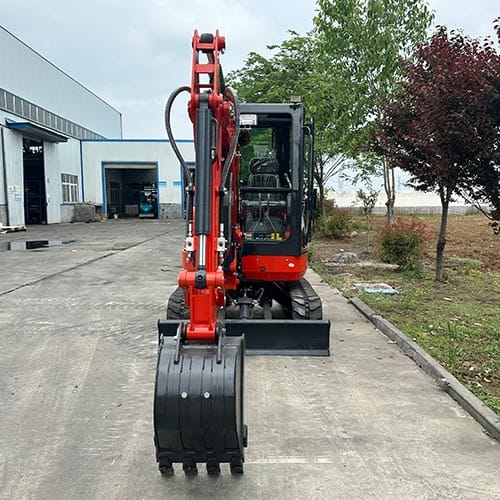
Mini excavators have varying lifting abilities depending on the angle of the boom and arm. Vertical lifts directly in front or behind the machine are usually safer and more stable, especially when the blade is down. Operators must understand how lift geometry impacts stability.
Important considerations:
- Lift with the blade down for added counterweight and balance.
- Avoid side lifts when possible; lateral movement introduces instability.
- Use track width extensions if available to increase the support base.
When lifting heavy loads, the angle of the boom and the reach of the arm both influence mini excavator lifting capacity. Making small adjustments to the lift plan can result in significantly safer operations. The operator’s understanding of angles and machine geometry plays a crucial role in maximizing mini excavator lifting capacity without compromising safety.
Insight 4: Choose the Right Attachments and Setup
Attachments such as grapples, buckets, or augers add weight to the boom and affect lifting capacity. Improper or overly heavy attachments can decrease safe load limits and compromise mini excavator lifting capacity.
Before lifting:
- Subtract the weight of any attachment from the total lifting capacity.
- Ensure the attachment is properly secured and balanced.
- Choose lighter attachments for higher lift requirements.
Additionally, opting for counterweights can help improve lifting capacity in rear-heavy tasks. Some mini excavators allow for additional counterweights to be added, enhancing overall lifting performance.
Pay attention to the combined effect of attachments and configuration on mini excavator lifting capacity. Balancing tools and setup is vital to achieving optimal lift potential.
Comparative Table: Relative Lifting Capacities Based on Setup
| Configuration | Lift Over Front | Lift Over Side | Stability Level |
|---|---|---|---|
| Basic Setup | Moderate | Lower | Standard |
| With Attachments | Reduced | Significantly Lower | Varies |
| With Counterweights | Improved | More Stable | Higher |
*Note: Values are indicative and depend on model and conditions.
Insight 5: Evaluate Jobsite Conditions and Load Characteristics
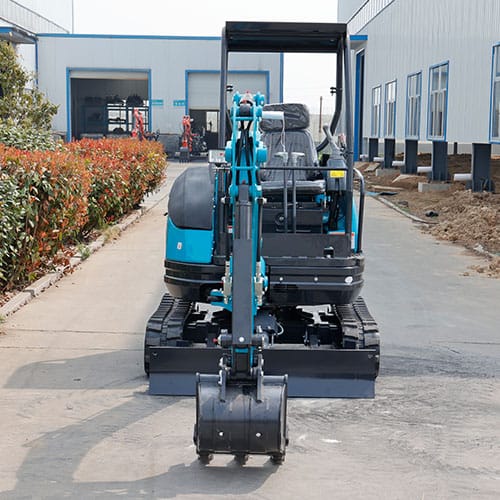
Every jobsite introduces unique conditions that affect mini excavator lifting capacity. Uneven surfaces, slopes, and soft ground can destabilize the machine, reducing its ability to lift safely. Additionally, the shape, density, and center of gravity of the load impact lift efficiency.
Best practices:
- Always assess terrain before lifting.
- Use mats or reinforced ground if necessary.
- Lift slow and steady; avoid jerking movements.
- Use spotters when working in confined or visually obstructed areas.
A well-prepared site enhances lifting safety and helps operators use the machine’s full potential without exceeding the mini excavator lifting capacity.
Conclusion
Mini excavators are versatile machines that excel in tight spaces and light to moderate lifting tasks. However, underestimating the importance of mini excavator lifting capacity can result in accidents, equipment damage, or project delays. By understanding the five insights discussed—load radius, rated versus actual capacity, angles and stability, attachment impact, and jobsite variability—operators and buyers can make informed decisions.
Always consult lifting charts, use proper safety practices, and choose the right setup for each task. With the right knowledge and preparation, you can maximize efficiency and maintain safety on every lift.
FAQ
What affects the lifting capacity of a mini excavator the most?
Factors like load radius, boom angle, ground conditions, and attachment weight play major roles.
How can I ensure I’m operating within safe lifting limits?
Always refer to the lifting chart provided by the manufacturer and stay within the recommended values.
Can adding attachments reduce my machine’s lifting power?
Yes, the added weight of attachments reduces the net lifting capacity. It’s essential to factor them in during planning.
Are counterweights necessary for improving lifting performance?
In many cases, counterweights help enhance balance and allow for safer lifting in rear-heavy tasks.
Is training required to operate a mini excavator safely?
Yes, proper training ensures safe operation and helps you understand how to work within the mini excavator lifting capacity.