
The construction and equipment industry is evolving rapidly, and the skid steer loader remains one of the most widely used and economically efficient machines on job sites worldwide. According to the Association of Equipment Manufacturers (AEM), skid steer sales have grown nearly 18% globally over the past five years, fueled by increasing demand for compact, multi-functional machinery.
For buyers — whether contractors, landscapers, farmers, or property owners — understanding the Benefits of a Skid Steer Loader is crucial. These machines deliver unmatched flexibility, compact maneuverability, and a wide attachment ecosystem.
This guide explores not just the basic advantages, but expert-backed insights, performance data, and real-world comparisons to help ensure you make a confident and well-informed purchase decision.
Table of Contents
Benefits of a Skid Steer Loader: Why This Machine Matters
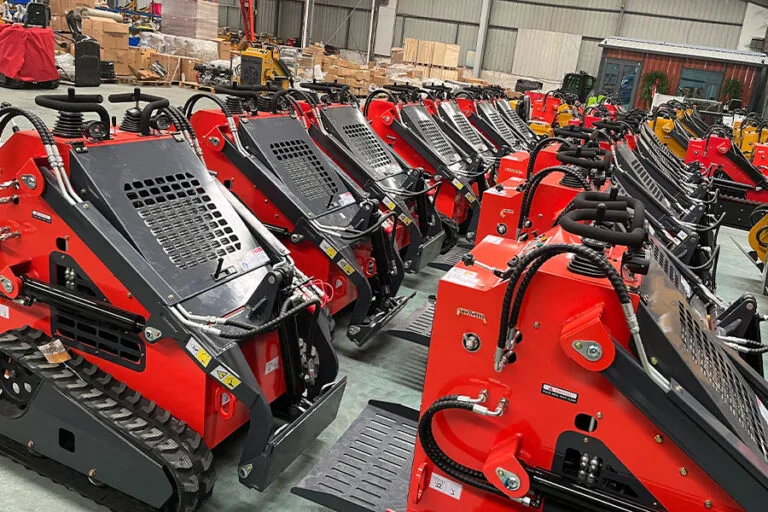
Skid Steer Versatility Explained
Skid steers are considered the “Swiss Army knife” of compact equipment thanks to their ability to adapt to dozens of diverse tasks. Industry reports show that more than 70% of skid steer owners use at least four different attachments weekly, highlighting their broad utility.
Concept: Multi-Attachment Compatibility
A modern skid steer can operate over 100+ attachment types, including buckets, augers, trenchers, breakers, brooms, forks, and grapples.
This reduces the need for multiple machines on-site.
Years of data indicate that contractors who use 5–7 attachments save 15–22% annually in equipment rental costs.
Enhanced Maneuverability on Small Job Sites
The compact size and zero-turn steering allow skid steers to navigate narrow passages, warehouse aisles, small yards, and urban construction zones.
Concept: Zero-Turn Steering
Zero-turn capability enables the machine to pivot within its own footprint.
This is especially useful when working next to walls or in high-traffic areas.
Studies from compact equipment training centers show skid steers reduce maneuvering time by up to 35% compared to larger wheeled loaders.
Cost-Effective Performance for Various Industries
One of the standout Benefits of a Skid Steer Loader is its ability to deliver high productivity while keeping operating costs manageable.
Concept: Ownership Cost Efficiency
On average, skid steers cost 30–40% less to maintain annually than mid-size loaders.
Fuel consumption ranges between 2.5 to 3.8 gallons per hour, depending on workload.
Their simple mechanical systems and easy-access components lower repair labor time significantly.
Skid Steer Loader Concepts You Should Understand
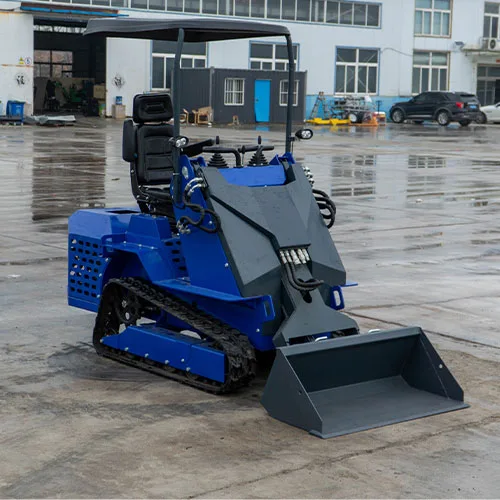
Hydraulic Power Output
Hydraulic output determines whether your skid steer can handle heavy-duty attachments like drum mulchers or cold planers.
Concept: Standard-Flow vs High-Flow Hydraulics
Standard-flow (16–25 GPM) powers general-use tools.
High-flow (27–38+ GPM) is necessary for demanding, high-RPM attachments.
Manufacturers like Bobcat note that high-flow hydraulics increase productivity by 25% or more for compatible tasks.
Operating Capacity and Stability
Concept: ROC & Tipping Load Relationship
Rated Operating Capacity (ROC) = typically 35–50% of tipping load.
A higher ROC improves the machine’s stability when lifting heavy pallets or debris.
This directly affects safety, especially when working on slopes or uneven terrain.
Advanced Performance Metrics: What Pros Look For
Engine Power Ratings
Most skid steers range from 50 to 100+ horsepower, depending on model and frame size.
A higher horsepower machine handles heavier loads and powers demanding attachments.
Concept: Torque-to-Weight Ratio
Torque is more important than horsepower for real-world performance.
Machines with high torque deliver smoother working cycles.
This metric is essential for digging, trenching, or pushing into soil piles.
Cycle Time Efficiency
Cycle time refers to how quickly the loader can raise, curl, dump, and return the bucket.
Concept: Hydraulic Response Speed
Fast hydraulic response improves loading efficiency.
Construction fleets report that 0.3–0.5 seconds of improvement per cycle translates to hours saved weekly on repetitive tasks.
Modern electronic controls also reduce operator fatigue.
Comparison: Skid Steer Loader vs Similar Equipment
Skid Steer vs Compact Track Loader
Compact track loaders (CTLs) offer better traction, but skid steers offer better speed and lower operating costs.
Concept: Terrain Suitability Differences
Skid steer wheels last 2–3× longer on hard surfaces than CTL tracks.
CTLs excel in mud, snow, and loose soil but cost 40–60% more to maintain.
If your job site is mostly pavement, the skid steer wins economically.
Skid Steer vs Mini Excavator
Mini excavators dig deeper, but skid steers offer superior versatility.
Concept: Versatility vs Specialization
Mini excavators typically dig 8–14 feet deep.
Skid steers handle dozens of unrelated tasks, from demolition to hauling.
Contractors focused on landscaping or multi-service operations usually benefit more from the skid steer.
Industry Expert Insights
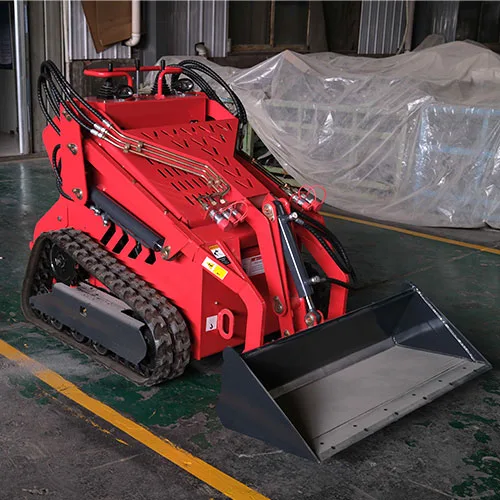
What Manufacturers Say
Experts from brands like Caterpillar, Bobcat, and CASE consistently highlight three major benefits:
Concept: Universal Job-Site Utility
Caterpillar engineers state skid steers are used in over 40% of compact-equipment rental transactions.
This statistic showcases their broad appeal and adaptability.
Rental companies rely heavily on them for high ROI.
What Contractors Say
Professional operators emphasize reliability, uptime, and low cost of ownership.
Concept: Operator Productivity
A survey by Equipment Today magazine revealed 82% of contractors believe skid steers are the most productive compact machine for multi-purpose work.
This is due to their rapid learning curve and ease of control.
Operators can be trained quickly, which reduces downtime.
Buying Considerations for Maximum Benefits
Choosing the Right Size
Small-frame (1,300–1,750 lbs ROC) → tight areas, landscaping
Mid-frame (1,800–2,200 lbs ROC) → construction, general work
Large-frame (2,500+ lbs ROC) → heavy lifting, commercial projects
Understanding Attachment Availability
Attachment compatibility directly determines machine value.
Concept: Universal Coupler System
Most skid steers use the universal quick-attach system introduced decades ago.
This makes 90% of aftermarket attachments cross-compatible.
Buyers should still verify hydraulic and weight specifications.
New vs Used Skid Steer Loader
Concept: Warranty vs Cost Savings
New machines offer 1–3 year warranties and improved fuel efficiency.
Used machines cost 20–50% less upfront.
Hours on the meter, component wear, and service records should guide the final decision.
Maintenance and Safety Advantages
Routine Maintenance Insights
Skid steer design makes maintenance simple due to wide rear-engine access.
Concept: Daily Inspection Points
- Hydraulic fluid
- Drive belts
- Cooling system
- Grease fittings
- Regular maintenance ensures longevity and reduces repair risk.
Safety Features in Modern Skid Steers
Concept: Operator Restraints & Visibility
ROPS/FOPS certified cabs
Rear cameras
Side lighting systems
Manufacturers report that modern skid steers have 40% fewer incident reports than older generations due to safety tech.
FAQ
1. Why do so many contractors prefer skid steers today?
Because they offer versatility, lower costs, and compact agility. Many businesses rely on them as their primary machine.
2. What is the ideal hydraulic flow for heavy forestry attachments?
High-flow systems (30+ GPM) are recommended for brush cutters, drum mulchers, and stump grinders.
3. Can skid steers handle snow removal effectively?
Yes — with a snow blower or pusher attachment, productivity increases dramatically during winter operations.
4. How long do skid steers typically last?
With proper maintenance, many exceed 5,000–7,000 operating hours.
5. Is a skid steer better than renting separate machines?
Often yes. A single machine that replaces multiple rentals delivers strong ROI for small businesses.
6. What mistakes do first-time skid steer buyers often make?
Ignoring hydraulic specs, buying too small, and forgetting to check attachment compatibility.