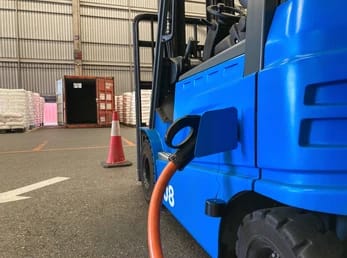
When it comes to Electric Forklift Battery Maintenance, keeping your forklift in optimal working condition is essential for maximizing productivity and minimizing downtime. Electric forklift batteries are a significant investment, and proper care is crucial to extend their lifespan and avoid costly repairs or replacements. Unfortunately, many businesses make common mistakes that can shorten battery life and lead to unnecessary expenses. This article will discuss some of the most frequent mistakes and offer tips on how to maintain your electric forklift battery effectively.
The Importance of Electric Forklift Battery Maintenance
An electric forklift battery powers the forklift’s motor, lifting mechanisms, and other vital systems. Over time, these batteries can experience wear and tear, particularly if they are not properly maintained. Neglecting proper care can lead to issues such as:
- Decreased battery performance
- Shortened battery life
- Increased downtime
- Higher operational costs
By implementing proper electric forklift battery maintenance practices, you can enhance the lifespan of your forklift’s battery, reduce costs, and increase the overall productivity of your warehouse or material handling operation.
Common Mistakes to Avoid in Electric Forklift Battery Maintenance
1.Allowing the Battery to Fully Discharge
One of the most common mistakes in electric forklift battery maintenance is allowing the battery to discharge completely before recharging. While modern electric forklift batteries can withstand partial discharges, deep discharges (where the battery is drained to 0%) can cause irreversible damage to the cells. In particular, lead-acid batteries are prone to sulfation, which occurs when the lead plates inside the battery become covered in lead sulfate crystals, decreasing its ability to hold a charge.
Solution: Avoid letting your battery discharge below 20-30% before recharging it. Try to top off the charge regularly to avoid deep discharge cycles.
2.Overcharging the Battery
Another mistake is overcharging the electric forklift battery, which can be just as damaging as undercharging. Overcharging occurs when the battery continues to receive power after it is already fully charged, which can cause overheating and internal damage. This is particularly problematic with lead-acid batteries, which can experience gassing and heat buildup, leading to the loss of electrolyte and reducing the battery’s overall efficiency.
Solution: Use a smart charger with an automatic shut-off feature to prevent overcharging. Many modern chargers are designed to stop charging once the battery is full, preventing overheating.
3.Not Maintaining Proper Water Levels (for Lead-Acid Batteries)
Lead-acid batteries require periodic maintenance, including checking and replenishing water levels. As the battery charges and discharges, water evaporates from the electrolyte solution, which can cause the plates to dry out and the battery to fail prematurely. This is one of the most common mistakes in electric forklift battery maintenance, and it can significantly reduce the battery’s lifespan if left unchecked.
Solution: Regularly check the water levels in the battery, and top it off with distilled water if necessary. Be sure to only add water when the battery is fully charged to avoid overfilling.
4.Ignoring Battery Cleaning
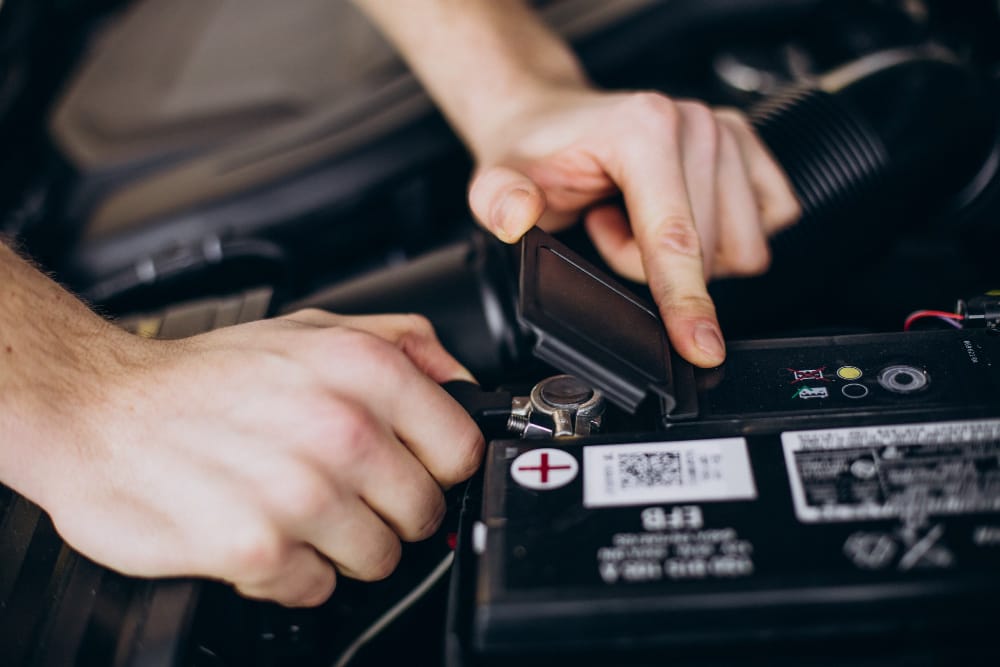
Battery terminals and connectors can accumulate dirt, debris, and corrosion, which can interfere with electrical conductivity and reduce the performance of the electric forklift battery. Corrosion can also lead to short circuits and increase the risk of electrical failure.
Solution: Regularly clean the battery terminals with a mixture of baking soda and water. Use a soft brush to gently remove any corrosion or dirt. Always wear protective gloves when handling the battery to avoid injury from acid or corrosion.
5.Improper Charging Environment
Charging electric forklift batteries in an unsuitable environment can significantly impact the performance and lifespan of the battery. High temperatures can cause the battery to overheat, while cold temperatures can slow down the chemical reactions inside the battery, reducing its efficiency and capacity. Charging the battery in an area with poor ventilation can also cause harmful gases to accumulate, posing a safety hazard.
Solution: Always charge the battery in a cool, dry, and well-ventilated area. Ensure that the charging station is properly ventilated to prevent the buildup of harmful gases, particularly when charging lead-acid batteries.
6.Overloading the Forklift
Another common mistake is overloading the electric forklift, which puts extra strain on both the motor and the battery. Overloading the forklift can lead to excessive battery drain, overheating, and a decrease in the overall lifespan of the electric forklift battery. Additionally, the battery will have to work harder to lift heavier loads, which can result in a rapid decrease in performance and runtime.
Solution: Always adhere to the forklift’s weight capacity recommendations. Overloading the forklift not only damages the battery but can also cause unnecessary wear on the lifting components and other systems.
7.Using the Forklift for Continuous Operation Without Breaks
Electric forklifts are designed to handle frequent and heavy-duty operations, but like any machinery, they require breaks to cool down. Continuous operation without taking breaks can overheat the electric forklift battery, reducing its capacity and longevity. Extended periods of high usage can also put excessive strain on the battery cells, causing them to degrade more rapidly.
Solution: Give your electric forklift battery some time to rest between shifts. If possible, rotate the forklifts so that each one can have downtime, allowing the battery to cool and recharge effectively.
8.Failing to Monitor Battery Health
Not regularly checking the overall health of the electric forklift battery can lead to problems going unnoticed until they become serious. Many businesses only pay attention to battery issues when performance starts to decline, which can result in costly repairs or replacements.
Solution: Implement a regular battery health monitoring system that tracks the charge cycles, performance metrics, and overall battery health. Some modern electric forklift batteries come with built-in diagnostic tools that can provide real-time data on battery status.
Benefits of Proper Electric Forklift Battery Maintenance
By avoiding these common mistakes, you can significantly extend the lifespan of your electric forklift battery. Proper maintenance helps:
- Increase Battery Lifespan: Regularly maintaining the battery can double or even triple its lifespan, saving you money on premature replacements.
- Maximize Efficiency: Well-maintained batteries perform better and can provide longer runtimes, reducing downtime and increasing productivity.
- Reduce Operating Costs: By improving battery life and performance, you’ll reduce the need for costly repairs and replacements.
- Improve Safety: Proper electric forklift battery maintenance reduces the risk of accidents caused by battery malfunctions or failures.
Conclusion
Electric forklift battery maintenance is essential to ensuring the smooth operation of your warehouse or material handling environment. By avoiding common mistakes such as overcharging, undercharging, neglecting water levels, and improper cleaning, you can significantly extend your battery’s lifespan and improve its performance. Follow the recommended best practices, and invest in regular maintenance to save time, money, and increase overall efficiency.
If you want to learn more about this, please click here.