
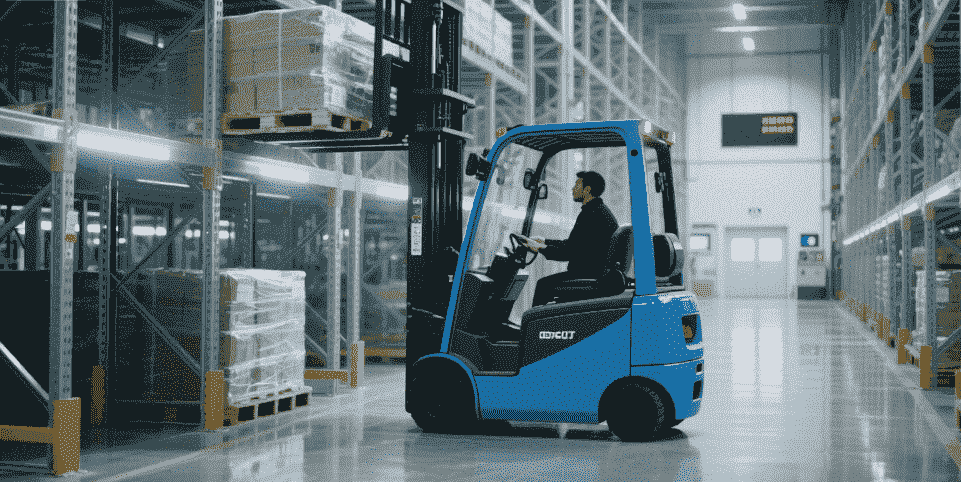
As environmental sustainability and cost efficiency become essential for businesses, electric forklifts are gradually replacing traditional internal combustion models due to their superior performance and eco-friendliness. Especially in indoor environments with strict environmental regulations, they offer unmatched benefits.
What is an Electric Forklift?
An electric forklift is a type of forklift powered by batteries, using the stored electrical energy to drive electric motors for material handling. Compared to traditional internal combustion forklifts, electric forklifts have zero emissions and produce much less noise, making them ideal for environments with high environmental requirements, especially indoor working spaces. Additionally, with continuous improvements in battery technology, the range and load capacity of electric forklifts are progressively increasing, allowing them to meet various application needs.
What is an Internal Combustion Forklift?
An internal combustion forklift is a forklift powered by fuels such as diesel, gasoline, or liquefied petroleum gas (LPG). Its main advantages include strong lifting capacity and long operating hours, making it more suitable for high-load and long-duration operations. However, internal combustion forklifts have significant drawbacks, including high emissions and relatively high noise levels, particularly in indoor settings, where these disadvantages become more evident. As environmental regulations become stricter, the use of internal combustion forklifts in certain areas is gradually being limited.
Comparing the Purchase Costs of Electric and Internal Combustion Forklifts
Electric forklifts typically require a higher initial investment compared to internal combustion models due to the cost of high-performance batteries. However, with advancements in battery technology, their cost has been steadily decreasing, especially as battery prices have dropped in recent years. While the upfront cost may be higher, these forklifts offer greater long-term value thanks to their lower operating and maintenance costs, making them a more cost-effective choice over time.
perating Costs: The Energy and Maintenance Advantages of Electric Forklifts
Energy Costs
The energy costs of electric models are generally much lower than those of internal combustion forklifts. For example, the energy consumption per working shift is significantly lower than the fuel consumption of internal combustion units. Annually, these forklifts provide substantial savings in energy costs, helping businesses reduce overall operational expenses. Additionally, their energy costs are more stable and less impacted by fuel price fluctuations, offering companies better budget control.
Maintenance Costs
Electric models have longer maintenance cycles compared to internal combustion units, meaning they require less frequent maintenance and incur lower costs. The maintenance tasks for these forklifts are relatively simple, mainly involving checking and lubricating key components like the battery and motor. In contrast, internal combustion forklifts require regular oil changes, filter replacements, and belt maintenance, which are more complex and costly. Annually, electric forklifts incur much lower maintenance costs, helping businesses save a significant amount of money.
Environmental Costs and Sustainability
The environmental benefits of electric forklifts are one of their key features. Their zero-emission nature not only helps reduce air pollution but also helps companies meet green certification and environmental standards. This is particularly important in industries that have stringent emission requirements, such as food processing plants and pharmaceutical facilities, where electric forklifts have become indispensable.
Noise Control
Compared to internal combustion forklifts, electric forklifts generate significantly less noise. Internal combustion forklifts typically produce high levels of noise, which may have a negative impact on the health of workers during prolonged use. Electric forklifts, on the other hand, produce much lower noise levels, making them ideal for noise-sensitive environments such as hospitals, shopping malls, and other similar locations.

Technological Advantages: Enhanced Comfort and Flexibility in Operation
With the continuous advancement of electronic control technologies, the operation of electric forklifts has become more intelligent and efficient. Compared to traditional internal combustion forklifts, they are not only easier to operate but also offer superior maneuverability in narrow spaces. Additionally, they can be automated, improving operational efficiency, especially in warehousing and logistics, where they provide significant advantages in space utilization and overall productivity.
Moreover, the versatility of electric forklifts is unmatched by internal combustion forklifts. For example, electric pallet trucks, electric stackers, and other similar equipment enable businesses to handle materials more efficiently. The introduction of these devices has greatly expanded the range of electric forklifts’ applications, allowing them to meet the demands of complex warehousing and logistics operations, in addition to traditional material handling tasks.
Applicable Scenarios for Electric Forklifts
Electric forklifts, with their outstanding performance, are suitable for various industries and scenarios, especially in the following environments:
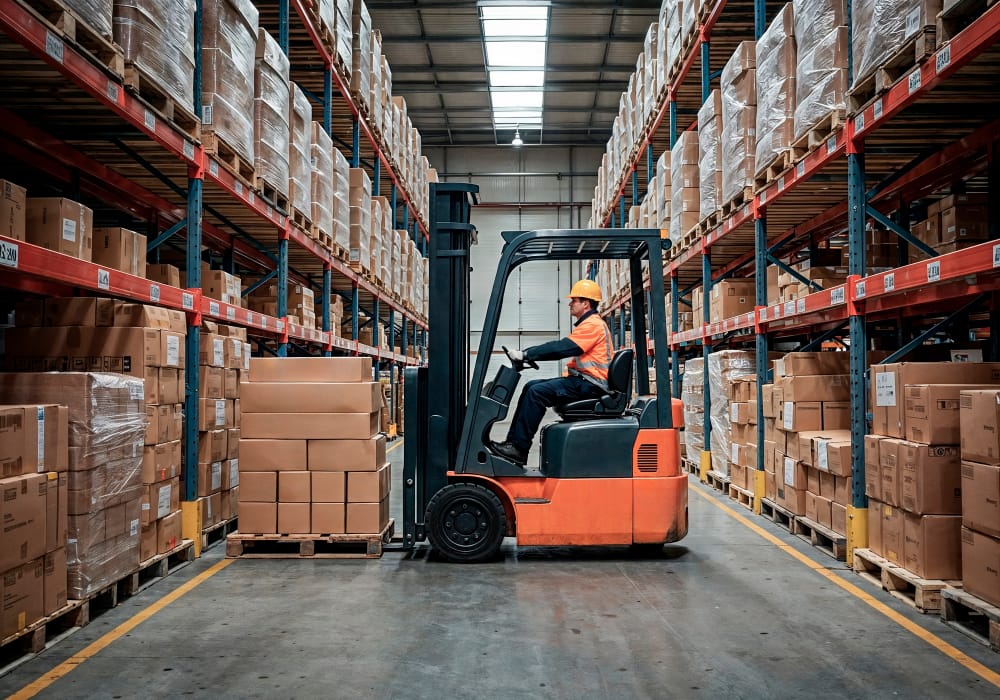
- Indoor Warehousing and Distribution Centers: Due to their zero emissions and low noise levels, electric forklifts are the preferred choice in many warehousing and distribution centers, particularly in environments that require strict environmental standards (e.g., food and pharmaceutical warehouses).
- Retail and Distribution Centers: Electric forklifts can efficiently operate in confined spaces, making them ideal for tasks that involve handling and stacking materials in limited areas.
- Manufacturing and Assembly Lines: Electric forklifts’ precise control and efficient operation make them invaluable on manufacturing and assembly lines, particularly in tasks like parts handling and heavy-duty assembly.
- Noise-Sensitive Environments: In places such as hospitals, schools, and shopping malls, electric forklifts’ quiet operation provides a more comfortable and quieter working environment.
Conclusion
Electric forklifts, with their lower energy costs, reduced maintenance expenses, environmental benefits, and technological advantages, have become essential equipment in modern industry and various other sectors. While the initial investment may be higher, they provide significant long-term benefits by lowering operational costs, improving work efficiency, and complying with environmental regulations. Therefore, for businesses focused on cost efficiency and sustainability, they are undoubtedly the ideal choice for the future of industrial operations.