Table of Contents
Electric Forklifts Maintenance should be a routine, documented program rather than an occasional reaction to breakdowns. Proper maintenance improves uptime, reduces lifecycle cost, and protects operator safety. This guide explains practical procedures, technical rationale, and a usable checklist you can adopt for most battery-powered lift trucks.
Key Principles of Electric Forklifts Maintenance
Electric Forklifts Maintenance rests on three pillars: preventive inspection, battery health management, and controlled operating practices. Preventive inspection detects wear before it becomes a failure; battery health management preserves capacity and runtime; and controlled operation reduces stress on drivetrain, brakes, and hydraulics. Together these practices form a cohesive maintenance philosophy that supports predictable fleet performance.
Routine recordkeeping and serial tracking are also essential. Log hours, charge cycles, and any corrective actions. That data lets you detect recurring faults and plan component replacements before they impact production.
Daily Checks for Electric Forklifts Maintenance
A brief daily walkaround can prevent many issues. Check the following items before each shift:
- Visual condition of forks and mast (cracks, buckling).
- Tires for proper inflation or excessive wear.
- Operational test of horn, lights, and backup alarm.
- Hydraulic lines for obvious leaks.
- Charger connection and battery state.
Electric Forklifts Maintenance performed at shift start reduces the chance of unsafe breakdowns and gives operators confidence that the truck will finish the job.
Battery Care and Charging — central to Electric Forklifts Maintenance
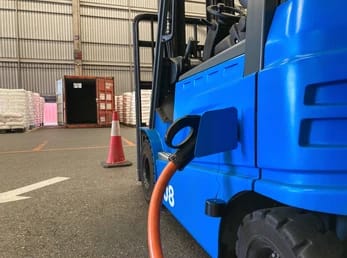
Battery condition is the defining factor for electric lift truck availability. Batteries require correct charging profiles, regular watering (for flooded cells), and clean terminals. Use chargers matched to the battery chemistry (lead-acid, AGM, lithium) and avoid extreme partial-state cycling unless the battery type supports it.
Best practices include scheduled equalization (where applicable), electrolyte level checks (if flooded cells), and keeping the battery and surrounding compartment clean and corrosion-free. Thermal management during charging also matters—overheating shortens battery life and should be addressed in your maintenance SOPs.
Drive System and Brakes in Electric Forklifts Maintenance
Electric forklifts use electric motors and controllers that generally require less mechanical maintenance than internal combustion engines but still need attention. Inspect motor mounts, electrical connections, and controller cooling paths. Brake systems, especially in high-use environments, need measurement of lining thickness and periodic adjustments.
Regenerative braking in many electric models reduces mechanical brake wear but doesn’t eliminate the need for inspection. Follow manufacturer intervals for brake fluid replacement and for replacement of friction components.
Hydraulics, Mast and Forks
Hydraulic oil condition and cleanliness affect lift performance and component life. Check fluid levels and filtration regularly. Inspect mast channels for wear, lubrication state, and mast rollers for smooth operation. Fork pins and retaining clips should be inspected and secured per the equipment manual to prevent catastrophic fork failure.
Environmental and Safety Considerations
Environmental factors influence maintenance needs. High ambient temperatures accelerate battery degradation; dusty environments increase filter and electrical contact issues. Charge and store batteries in ventilated areas per manufacturer recommendations. Ensure chargers and battery rooms comply with local codes and safety best practices.
Operator training is part of Electric Forklifts Maintenance. Well-trained operators run smoother, perform daily checks correctly, and report anomalies early. Consider short refresher sessions that reinforce correct charging, load handling, and shift-start checks.
Preventive Maintenance Checklist (sample)
| Frequency | Task | Why it matters |
|---|---|---|
| Daily | Visual walkaround; fluid level checks; safety device test | Catch obvious faults before use |
| Weekly | Clean battery terminals; check tire/roller condition; inspect hoses | Reduce corrosion and wear |
| Monthly | Test battery capacity; inspect brakes; check mast lubrication | Detect gradual degradation |
| Quarterly | Replace filters; inspect controller connectors; load test | Maintain performance and safety |
| Annually | Full service: hydraulic oil change, drive motor inspection, NDT of forks | Major preventive overhaul |
Use meter readings and simple tests (voltage under load, hydraulic pressure checks) to quantify condition rather than relying on sight alone.
Troubleshooting common faults
- Shortened runtime: Check charging routine, battery age, and parasitic loads.
- Reduced lift speed: Inspect hydraulic fluid level and filters; test pump performance.
- Intermittent faults: Look for loose electrical connectors or thermal cutouts in controllers.
Document each troubleshooting step and outcome so patterns can be recognized across the fleet.
Spare parts strategy and lifecycle planning
Maintain an inventory of high-turn consumables: fuses, filters, brake pads, contactors, and fork pins. Track mean time between failure (MTBF) for items and plan procurement to avoid long lead-time delays. Lifecycle planning should tie component replacement to operational hours rather than calendar time when usage is variable.
Recordkeeping and compliance
Good Electric Forklifts Maintenance programs rely on records. Keep service logs, battery charge/maintenance logs, and incident reports. These records help with warranty claims and audit compliance, and they are invaluable for continuous improvement programs.
Conclusion
Electric Forklifts Maintenance is a predictable, data-driven discipline. Implementing daily checks, structured battery care, periodic inspections, and a spare-parts strategy will increase uptime, reduce total cost of ownership, and keep operators safer. Start with a simple checklist, refine it with real fleet data, and align procedures with the equipment manufacturer’s recommendations to get the most reliable results.