Table of Contents
Excavator Maintenance is critical to ensure the longevity and efficient performance of your excavator. These heavy machines are indispensable on construction sites and for digging operations, but like any complex machinery, they require regular upkeep to stay in optimal condition. Neglecting maintenance can lead to costly repairs, unplanned downtime, and even safety risks. In this article, we will discuss essential maintenance tasks, tips, and best practices for keeping your excavator running smoothly.
Importance of Regular Excavator Maintenance
Regular Excavator Maintenance is essential not only for extending the life of the machine but also for ensuring safety and maximizing productivity. A well-maintained excavator performs more efficiently, consumes less fuel, and has fewer mechanical failures. Timely maintenance reduces the risk of downtime, ensuring your equipment is always ready for work when needed. In addition, proper maintenance helps preserve the resale value of the machine.
Key Maintenance Areas for Excavators
Engine and Hydraulic System
The engine and hydraulic systems are the heart of any excavator, and their maintenance is paramount. A properly maintained engine ensures smooth performance and reduces the risk of overheating or mechanical failure. Regularly check the engine oil and coolant levels, and replace the oil and filter as recommended by the manufacturer.
Hydraulic systems are crucial for the movement of the boom, arm, and bucket. Ensure the hydraulic fluid is at the proper level, and always use the correct type of hydraulic oil. Check hydraulic hoses for leaks or signs of wear. Regularly inspect the hydraulic filters and replace them as needed to avoid blockages that could impact performance.
Track and Undercarriage Maintenance
The undercarriage and tracks of your excavator are subjected to constant wear and tear. To ensure longevity, check the tracks for tension and wear regularly. Over-tightened tracks can cause excessive wear on components, while loose tracks can lead to poor performance and potentially damaging the system.
Clean and inspect the undercarriage frequently, looking for signs of debris, dirt, or stones that might get lodged between the tracks. Clear any obstructions promptly to prevent damage. Additionally, lubricate the track rollers and the undercarriage parts to reduce friction and wear.

Cooling System
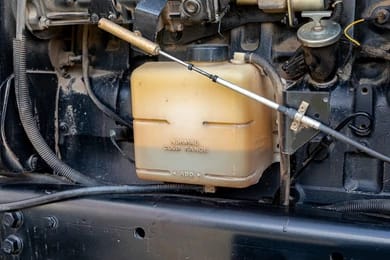
The cooling system is another critical component of Excavator Maintenance. A malfunctioning cooling system can lead to engine overheating, which can cause severe damage and costly repairs. Ensure the radiator is clean and free of debris. Regularly check the coolant level and top it off as needed with the proper type of coolant for your machine.
Also, monitor the radiator hoses for signs of cracking or leaks and replace them promptly. This proactive measure helps to avoid any unexpected breakdowns and keeps the engine operating at optimal temperatures.
Common Mistakes in Excavator Maintenance and How to Avoid Them
Ignoring Small Issues
Many excavator owners tend to ignore small issues, thinking they are insignificant. However, small issues can snowball into bigger problems if left unchecked. For example, a small oil leak or a minor hydraulic issue might seem harmless at first, but it can quickly escalate into a costly repair if not addressed promptly. Regular inspections and addressing minor issues immediately can prevent such problems.
Overloading the Machine
Another common mistake is overloading the excavator beyond its recommended capacity. Overloading puts excessive strain on the engine, hydraulic systems, and tracks, reducing the lifespan of the machine. Always ensure that the excavator is used within its specified weight limits, as exceeding these limits can lead to damage and increased maintenance costs.
Inadequate Cleaning and Lubrication
Cleaning and lubrication are often overlooked in Excavator Maintenance, but they are essential for maintaining the machine’s efficiency. Dust, dirt, and debris can accumulate on various parts of the excavator, especially in the undercarriage, which can cause components to wear out prematurely. Regularly clean your machine and apply appropriate lubrication to reduce friction and wear on the moving parts.
Excavator Maintenance Schedule: How Often Should You Perform Maintenance?
Daily Maintenance Checks
Daily checks are critical for ensuring that your excavator is ready to work. These should include inspecting fluid levels, checking for leaks, cleaning the undercarriage, and ensuring all safety features are functioning properly. Make sure the tracks are tensioned correctly and the filters are clear of dirt and debris.
Weekly Maintenance Tasks
In addition to the daily checks, weekly maintenance should include cleaning the radiator, inspecting hydraulic hoses, and ensuring that the engine is free from debris. Check the fuel and air filters and replace them if they appear clogged or damaged. Also, inspect the tracks and rollers for wear and tear, and lubricate the moving parts to keep them functioning smoothly.
Monthly and Annual Inspections
Monthly and annual inspections are more thorough and typically involve a detailed check of all critical components, including the engine, hydraulic system, cooling system, and undercarriage. It’s also essential to check the condition of the electrical system, fuel system, and structural components of the machine. Replace any worn parts and ensure that all fasteners are tightened to the manufacturer’s specifications.
Benefits of Proper Excavator Maintenance
Proper Excavator Maintenance not only extends the life of the machine but also ensures that it operates efficiently and safely. Regular maintenance helps avoid costly repairs, reduces fuel consumption, and ensures that the machine is always ready for work when needed. Furthermore, by keeping the excavator in top condition, you improve its performance, making tasks like digging, lifting, and trenching more efficient and accurate.
Conclusion
In conclusion, Excavator Maintenance is crucial for maximizing the longevity, safety, and efficiency of your machine. By following a regular maintenance schedule and addressing small issues promptly, you can avoid costly repairs and ensure that your excavator is always ready for the next job. Keep the engine, hydraulic system, undercarriage, and cooling system in good condition, and avoid common mistakes like overloading or neglecting lubrication. With proper care, your excavator will continue to perform at its best for years to come.
Want to uncover more expert tips and keep your machine running smoothly? Click here to dive deeper into excavator maintenance.