
Table of Contents
Introduction
When you picture a construction site or a bustling mining operation, you likely envision massive machinery moving earth and materials with incredible power. Among these titans, the robust and versatile Wheel Loader stands out as an indispensable workhorse. This heavy mechanical equipment is not just a simple scoop; it is a marvel of engineering that has undergone a remarkable transformation over the decades. Often seen effortlessly scooping up vast quantities of soil, sand, lime, and coal, or performing light digging tasks, the Wheel Loader is a cornerstone of modern construction and resource management.
Its ability to quickly load, move, and even push materials makes it a cornerstone of efficiency, boasting high operational speed, impressive mobility, and user-friendly controls. But beneath its powerful exterior and ubiquitous presence lie fascinating facts about its origins, evolution, and intricate design that might just surprise you. Join us as we uncover seven little-known aspects of the Wheel Loader that shaped it into the engineering masterpiece it is today.
What is a Wheel Loader?
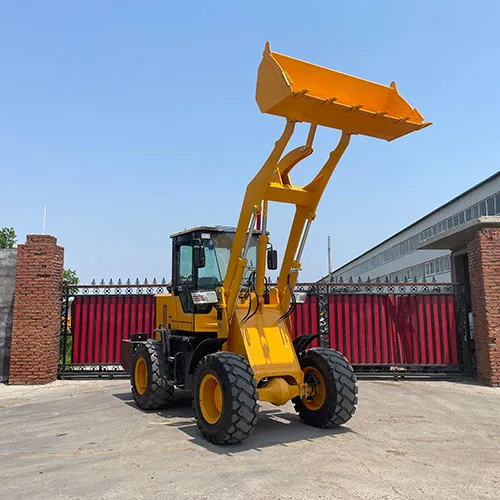
A Wheel Loader, often simply referred to as a loader, is a type of heavy mechanical equipment extensively utilized across various sectors, including construction, mining, agriculture, and general industry. Its primary function revolves around the efficient handling of bulk materials. This includes scooping and loading loose materials such as soil, gravel, limestone, and coal. Beyond simple loading, a Wheel Loader can also perform light excavation tasks for materials like ore and harder soil.
What truly sets this machine apart is its adaptability. By simply changing its auxiliary attachments, a Wheel Loader can transform into a bulldozer, a crane, or even a specialized handler for materials like timber. In the crucial work of road construction, especially for high-grade highways, it is invaluable for roadbed excavation and backfilling, as well as for gathering and loading aggregates in asphalt and concrete mixing plants.
Furthermore, it can be used for tasks such as pushing soil, leveling ground, and even towing other machinery. The defining characteristics that make the Wheel Loader a primary choice for earthmoving and mining operations are its high operating speed, superior efficiency, excellent maneuverability, and ease of operation. These advantages collectively underscore its vital role in modern engineering projects.
The Wheel Loader‘s Humble Beginnings
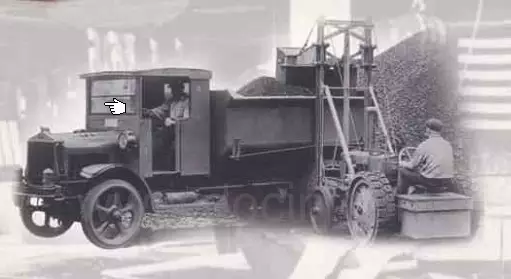
It’s often hard to imagine the sophisticated machinery of today originating from something far simpler. The Wheel Loader is no exception, and its journey began in a surprisingly modest fashion. The world’s first loader, dating back to the 1920s, was actually based on modified agricultural tractors. These rudimentary machines were primarily employed in construction sites and for handling various materials. Early designs were quite crude, typically involving loading attachments mounted on solid-tire tractors. Operations were complex, and the machines suffered from unstable performance. A particularly cumbersome feature of these early models was their mechanical arms, which were driven by heavy ropes, making the entire operation challenging and prone to safety risks.
For instance, a Wheel Loader manufactured by E.Boydelland Co Ltd in 1929 featured a cable-driven bucket and utilized a 28-horsepower Fordson farm tractor, with a modest bucket capacity of 0.38 cubic meters. These early designs, often characterized by a smaller front wheel, larger rear wheel, single-axle drive, and front-wheel steering, had limited traction and digging force, resulting in low operational speeds. The engine was typically placed at the front, and the work device was a gantry-type structure that lifted and dumped the bucket using steel ropes.
The Hydraulic Revolution and Modern Wheel Loader Design
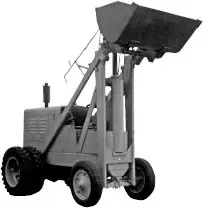
The true turning point in the evolution of the Wheel Loader came with the widespread adoption of hydraulic systems. While manufacturers began producing dedicated Wheel Loaders in the 1930s, these still relied on mechanical systems to drive their arms due to the nascent and leaky state of hydraulic technology at the time. A significant breakthrough arrived in 1939 with the first formally designed and manufactured Wheel Loader, the Hough HS model, developed by engineer Frank G. Hough from Chicago.
However, the real game-changer emerged after World War II. Advances in military equipment during the war led to the production of far more reliable hydraulic systems. Post-war, these advanced hydraulic systems were swiftly integrated into a new generation of Wheel Loaders, replacing the cumbersome mechanical systems and dramatically enhancing the equipment’s performance.
Tractomotive company was among the first to apply hydraulic systems to Wheel Loaders. Frank G. Hough company once again led the way in 1947 by introducing the HM model, a four-wheel-drive Wheel Loader. This machine featured loader arms and a bucket operated by hydraulic linkage devices, replacing the old gantry structure. This design, with its dedicated chassis, greatly improved lifting speed, unloading height, and breakout force, making it suitable for shoveling loose earth and stone. It was hailed as the first major breakthrough in the development of Wheel Loaders and is widely regarded as the forerunner of the modern Wheel Loader. The 1948 Hough HM Wheel Loader was notably the first four-wheel-drive loader, marking a significant milestone.
The “Articulated” Breakthrough – A Wheel Loader‘s Flexible Waist
Innovation in Wheel Loader design didn’t stop at hydraulics. The 1950s proved to be a pivotal decade for advancements in drive systems, specifically the integration of diesel engines with hydraulic torque converters and power-shift transmissions, driving dual axles. This period marked the second major breakthrough in loader development. However, one of the most transformative innovations arrived in 1953 when the Wagner brothers pioneered the creation of the first articulated Wheel Loader, the LD-5 model, featuring a front-end bucket.
This “articulated” design, essentially a flexible joint in the middle of the machine, dramatically improved the Wheel Loader’s maneuverability. Unlike rigid-frame loaders, an articulated loader’s bucket turns with the front frame, allowing for “in-place” turning. This design significantly reduced the average travel distance within a single work cycle by 51% compared to rigid-frame counterparts, thereby boosting production efficiency by 50%. The smaller turning radius made the articulated Wheel Loader exceptionally agile and well-suited for operations in confined spaces.
This innovation was quickly adopted and became widespread in the 1960s, further cementing the articulated Wheel Loader’s place as a highly efficient and versatile machine in mining and construction. Other notable developments during this time included Volvo producing its first Wheel Loader in 1954, and Komatsu following suit with its W120 model in 1956. Caterpillar also entered the market in 1959 with its 944 model, and by 1963, introduced its first articulated Wheel Loader, the 988 series, with a bucket capacity of 4.58 cubic meters. This 988 model proved to be incredibly successful, continuing its lineage for over 50 years.
Beyond the Shovel – The Wheel Loader‘s Many Hats
While its name suggests a primary role in loading, the Wheel Loader is far more versatile than just a large shovel. Its true power lies in its adaptability, transforming into various specialized machines with different auxiliary work devices. This multi-functionality makes it an invaluable asset across numerous industries.
For instance, by replacing its standard bucket, a Wheel Loader can be fitted with a dozing attachment, effectively turning it into a bulldozer for pushing soil and leveling ground. With a crane attachment, it can perform lifting operations, moving heavy components or materials around a site. Specialized grabs allow it to handle materials like timber, making it useful in logging and lumberyards.
In the critical field of road construction, particularly for high-grade highways, the Wheel Loader plays a pivotal role. It is employed for filling and excavating roadbeds, as well as for collecting and loading aggregates in asphalt and cement concrete material yards. Furthermore, its capabilities extend to tasks such as transporting soil over short distances, grading land, and even towing other machinery. This remarkable versatility, combined with its inherent advantages of speed, efficiency, and maneuverability, firmly establishes the Wheel Loader as a “Swiss Army knife” of heavy machinery, capable of tackling a wide array of demanding tasks.
Anatomy of a Giant – Unpacking the Wheel Loader‘s Core Systems
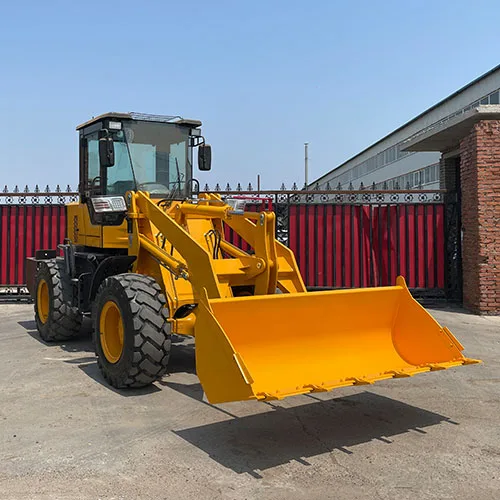
To truly appreciate the power and efficiency of a Wheel Loader, it’s essential to understand its intricate internal structure. This formidable machine is composed of five main parts, each playing a crucial role in its overall operation.
1. Power Unit (Engine): The heart of the Wheel Loader is typically a robust diesel engine, providing the necessary power. It is strategically placed at the rear of the machine, balancing the center of gravity and offering the driver an excellent field of vision, which enhances operational quality and productivity. The power flows from the diesel engine to a hydraulic torque converter, then through a universal coupling to the gearbox, and finally to the front and rear axles to drive the wheels.
2. Chassis: This forms the structural backbone and mobility system of the Wheel Loader. It includes four key sub-systems:
◦ Transmission System: This system dictates how power is transmitted to the wheels. While early small loaders used mechanical transmissions, most large and medium-sized Wheel Loaders now employ hydro-mechanical transmissions, with some medium loaders using hydraulic transmissions and large loaders opting for electric transmissions.
◦ Walking System: Comprising the frame, axles, and wheels, this system connects all components, supports the machine’s weight, absorbs vibrations, and transfers forces. Frames can be either integral or articulated (“waist-folding”), with articulated frames being more common for Wheel Loaders due to their enhanced maneuverability.
◦ Steering System: This enables the Wheel Loader to change direction. Modern Wheel Loaders predominantly use hydraulic power-assisted steering or full hydraulic steering for precise control.
◦ Braking System: Critical for safety and efficiency, it typically includes service brakes, emergency brakes, and parking brakes to slow down or stop the machine effectively.
3. Working Device: This is the “arm” and “hand” of the Wheel Loader. It consists of the boom, bucket, lever system, boom cylinders, and bucket cylinders, all powered by an oil pump driven by the engine. The boom is hinged to the front frame, and the lifting of the boom and the tilting of the bucket are controlled by the movement of their respective hydraulic cylinders.
4. Hydraulic System: This acts as the machine’s circulatory system, converting the engine’s power into immense hydraulic energy. It comprises an oil pump, cylinders, directional control valves, diversion valves, hydraulic fluid, and an oil tank. Beyond driving the working device and steering, it also controls the power shift transmission in hydro-mechanical loaders. This system enables the Wheel Loader to load and unload bulk materials, clear sites, and transport materials over short distances.
5. Electrical System: Serving as the machine’s nervous system, it powers the engine’s starter, provides lighting and signal equipment, instrumentation for monitoring, electronic control units, and other auxiliary devices, ensuring safe operation and driving. It encompasses the power supply, starting, lighting and signal, monitoring and display, and auxiliary systems.
This sophisticated combination of systems allows the Wheel Loader to perform its demanding tasks with precision and reliability.
Here is a table summarizing key features of Wheel Loader evolution:
| Aspect | Early Wheel Loader (1920s-1930s) | Modern Wheel Loader (Post-WWII onwards) |
| Base Design | Modified farm tractors | Dedicated chassis, purpose-built |
| Arm Drive | Rope/cable-driven mechanical arms | Hydraulic systems |
| Frame Structure | Gantry-type, rigid frame | Hydraulic linkage, often articulated (hinged) frame |
| Maneuverability | Complex to operate, limited turning radius | Improved maneuverability, smaller turning radius with articulated design |
| Power Source | Early gasoline engines, less powerful | Powerful diesel engines with hydraulic torque converters |
| Safety Features | Crude, prone to operational hazards | Advanced safety features (anti-rollover cabs, dual-circuit brakes) |
| Comfort | Basic, uncomfortable operation | Ergonomic cabin design, AC, noise reduction, pilot control for ease of use |
| Primary Use | Simple loading, material handling | Diverse applications: loading, digging, pushing, lifting, road construction |
The Quest for Safety and Comfort in Wheel Loader Design
The journey of the Wheel Loader wasn’t solely about power and efficiency; it also involved a crucial evolution in operator safety and comfort. Early designs, particularly those from the 1950s and 60s, posed significant safety challenges. A major concern was the placement of the pivot arms behind the operator, creating a dangerous pinch point where an operator could be caught between the loader arm and the hydraulic cylinder. This design flaw spurred a major re-evaluation by the U.S. National Safety Council and manufacturers. Frank G. Hough company, for instance, modified the pivot points of the loader arms relative to the operator’s position, shifting them forward.
There was considerable debate among manufacturers regarding the optimal placement of the operator’s seat – forward or rearward. Eventually, the rear-mounted driver’s seat became the industry standard. From the 1970s to the 1980s, the development of Wheel Loaders specifically focused on enhancing safety, making operations less strenuous, simplifying maintenance, reducing pollution, and improving operator comfort.
Key advancements during this period included:
• Braking Systems: Pincer disc brakes replaced the older shoe-type brakes, offering easier replacement of brake pads and longer lifespan. Dual-circuit braking systems were introduced for enhanced safety.
• Operator Protection: Anti-rollover and falling object protective structures (ROPS/FOPS) for the cab became standard, significantly safeguarding operators.
• Environmental and Comfort Improvements: Noise reduction, dust prevention, and the installation of air conditioning became common features, making the cabin a much more comfortable environment for long working hours.
• Operational Ease: Pilot control systems were introduced, reducing the effort required for operation.
• Maintenance: Lubrication intervals for working device pivot pins, using molybdenum disulfide, were extended from every 10 hours to every 100 hours, simplifying maintenance.
These advancements not only made Wheel Loaders safer and more comfortable to operate but also contributed to increased productivity by reducing operator fatigue and downtime.
The Titans of the Wheel Loader World
The capacity of Wheel Loaders has seen an exponential increase, particularly from the 1960s onwards, as manufacturers began developing larger machines specifically for mining operations. Articulated loaders, with their inherent advantages in maneuverability and efficiency, became widely adopted in this pursuit of greater capacity.
For example, after Caterpillar launched its 966 series with a rigid frame and a 2.1 cubic meter bucket in 1960, they quickly moved to articulated designs, introducing the 988 series in 1963 with a 4.58 cubic meter bucket. This model proved so enduring that its lineage continued for 50 years, with the latest model being the Caterpillar 988K. In 1964, Hough, now part of International Harvester, launched its first articulated Wheel Loader, the HD400, with an impressive 7.64 cubic meter bucket capacity. Caterpillar continued to push boundaries, releasing the 992 series in 1968, also with a 7.64 cubic meter capacity.
However, the true “titan” of Wheel Loaders emerged later. In 1970, International Harvester introduced the 580 model transport loader, boasting a staggering 13.76 cubic meter bucket capacity, making it the world’s largest Wheel Loader at the time. This record was surpassed over the decades by other manufacturers. By 1988, Komatsu built the Haulpak 4000 model with an 18.34 cubic meter capacity, and in 1990, Caterpillar produced the 994 series with a 17.58 cubic meter capacity.
The pinnacle of this growth, as of 2011, was the LeTourneau (now Komatsu) L-2350 Wheel Loader, produced in 2000, which boasted an astonishing bucket capacity of 40.5 cubic meters, earning it the title of the world’s largest Wheel Loader. This remarkable increase in size and capacity highlights the continuous drive within the industry to handle ever-larger volumes of material, pushing the boundaries of what these machines can achieve.
Huaying Machinery and Wheel Loaders

In the contemporary landscape of heavy machinery manufacturing, companies like Shandong Huaying International Trade Co., Ltd. contribute significantly to the design, production, and global supply of various machinery, including the Wheel Loader. Huaying Machinery is an integrated trading and manufacturing company, specializing in products such as excavators, lawn mowers, and electric forklifts, alongside Wheel Loaders. Located in Linyi, Shandong Province, China, the company operates across a 50,000 square meter area with a workforce of 150 employees. They export to numerous countries across major continents, including the United States, Canada, Germany, France, Italy, the United Kingdom, Chile, and Ecuador.
Huaying emphasizes offering customized products and services to meet specific business needs and challenges. Their commitment to “excellent innovative technical design” aims to ensure that each machine, including their Wheel Loader offerings, surpasses industry standards in terms of performance, efficiency, and durability. The company implements strict quality control processes to guarantee that every customized product meets high standards.
Client feedback on Huaying’s loaders underscores these commitments. One cooperative client, Mike Thompson, highlighted the “stability and safety” of their loader, noting its exceptional performance on slopes and uneven surfaces, which instilled confidence in construction site safety. He also mentioned that even novice operators could quickly get started.
Another client, Emily Carter, praised the “loading capacity” of the loader, stating it “exceeds my expectations” and can “easily carry heavy objects”. She also appreciated the “very user-friendly” cockpit design, comfortable seat, and intuitive user interface, allowing for long working hours without fatigue. This feedback collectively reflects Huaying’s focus on quality, operational comfort, and safety in its Wheel Loader products, serving as an example of modern manufacturing’s continuous efforts to refine and improve this essential piece of heavy equipment.
Conclusion
From its humble beginnings as a modified farm tractor in the 1920s, the Wheel Loader has evolved into a powerhouse of modern engineering. Its journey through the hydraulic revolution, the innovation of the articulated frame, and the relentless pursuit of safety and comfort has transformed it into a versatile and indispensable machine. Whether it’s the subtle shift in a pivot arm for operator safety or the monumental increase in bucket capacity to move mountains, every step in its development has been driven by a desire for greater efficiency, reliability, and human-centric design.
Today, as manufacturers like Huaying Machinery continue to innovate, the Wheel Loader stands as a testament to ingenuity, quietly yet powerfully shaping our infrastructure and industries worldwide. Understanding its intricate history and complex anatomy not only reveals the genius behind its design but also deepens our appreciation for these unsung heroes of heavy construction.
FAQ
Q: Are Wheel Loaders only used for loading materials?
A: No, while loading is their primary function, Wheel Loaders are highly versatile. By switching auxiliary attachments, they can also perform tasks such as light digging, pushing earth (like a bulldozer), lifting materials (like a crane), handling timber, and even grading land.
Q: What are the main advantages of using a Wheel Loader in construction?
A: Wheel Loaders offer several key advantages, including fast operating speed, high efficiency, excellent maneuverability, and easy operation. These qualities make them a top choice for earthmoving and mining operations.
Q: Who was significant in the early development of modern Wheel Loaders?
A: Frank G. Hough is widely regarded as a pioneer. His company introduced the HM model four-wheel-drive Wheel Loader in 1947, which adopted hydraulic linkage devices and a dedicated chassis, marking it as a forerunner of modern Wheel Loader design.
Q: What is an articulated Wheel Loader and why is it important?
A: An articulated Wheel Loader has a flexible joint (hinge) in its frame, allowing it to “bend” in the middle. This design significantly improves maneuverability, reduces the turning radius, and makes it highly efficient in confined spaces. The first articulated Wheel Loader, the LD-5 model, was manufactured by the Wagner brothers in 1953.
Q: What are the primary components of a Wheel Loader?
A: A Wheel Loader is mainly composed of five parts: the power unit (engine), the chassis (including transmission, walking, steering, and braking systems), the working device (boom, bucket, cylinders), the hydraulic system, and the electrical system.
Q: Has Wheel Loader design improved operator safety over time?
A: Yes, significantly. Early designs had safety concerns, such as pinch points from pivot arms. Over time, manufacturers have introduced features like anti-rollover/falling object protective cabs, dual-circuit braking systems, noise reduction, and ergonomic cockpit designs to enhance operator safety and comfort.
Q: What is the largest Wheel Loader ever built?
A: As of 2011, the LeTourneau (now Komatsu) L-2350 model, produced in 2000, was the largest Wheel Loader with an astonishing bucket capacity of 40.5 cubic meters.
Thank you for reading! If you found this content valuable, let’s keep the conversation going. For more insights, industry trends, and updates from Shandong Huaying International Trade Co., Ltd., be sure to connect with us on social media:
📌 Facebook: Shandong Huaying International Trade Co., Ltd.
We look forward to sharing more knowledge and opportunities with you. Let’s continue learning, growing, and innovating—together.