
Table of Contents
Introduction
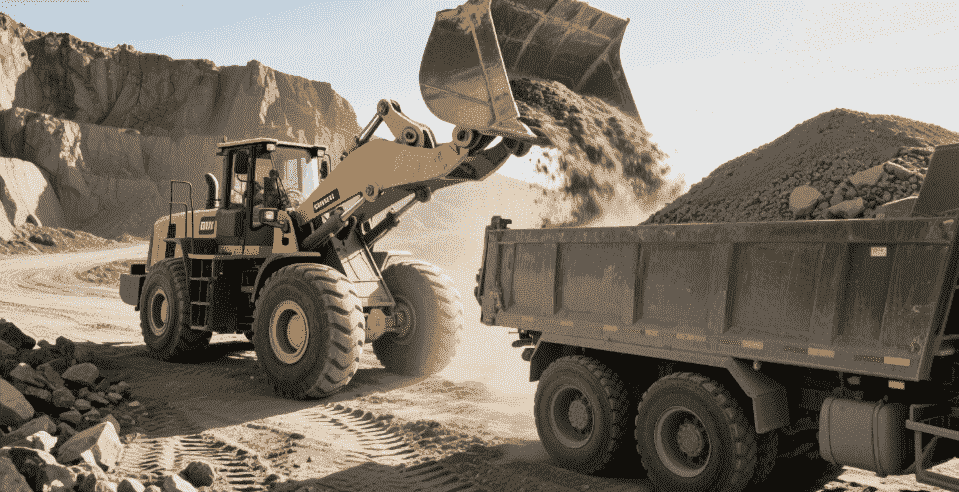
Choosing the right equipment for your job site can make a significant difference in productivity. When it comes to heavy machinery, a front end wheel loader is one of the most versatile and essential pieces of equipment. By selecting the right front end wheel loader, you can increase your efficiency by up to 30%, improving both the speed and quality of your operations. This article will explore how the right front end wheel loader can boost productivity, and how the features of specific models can help you make the most of your investment.
In this blog, we will focus on two models from Shandong Huaying International Trade Co., Ltd.—the 1 Ton Wheel Loader LH-938 and the 2 Ton Wheel Loader LH-948—and how their key features enhance productivity in various working conditions.
Understanding Front End Wheel Loaders
A front end wheel loader is one of the most essential pieces of heavy equipment used across a variety of industries, including construction, agriculture, and material handling. Known for its versatility, it is primarily used for moving large quantities of material like dirt, gravel, sand, and rocks. The loader’s bucket, located at the front, enables it to lift, scoop, and load these materials into trucks or other transport vehicles efficiently.
A front end wheel loader is designed to be agile and adaptable, capable of performing a variety of tasks on different job sites. It can be equipped with a range of attachments such as buckets, forks, and grapples, making it highly customizable for specific operational needs.
How the Right Front End Wheel Loader Can Boost Your Productivity
A well-chosen front end wheel loader offers numerous advantages, from reducing downtime to improving operational efficiency. Here’s how:
1. Efficient Load Handling: How the Right Front End Wheel Loader Enhances Material Transport
A key feature of any front end wheel loader is its ability to handle large volumes of materials quickly and efficiently. A loader that is optimized for the task at hand will increase your productivity by reducing the time spent on each load.
- 1 Ton Wheel Loader LH-938: With a rated load of 1000KG and a bucket capacity of 0.65m³, this model is perfect for light-duty tasks like moving sand, gravel, and other smaller loads. It is compact and agile, making it an ideal choice for construction sites with confined spaces or agricultural tasks that require quick material handling.
- 2 Ton Wheel Loader LH-948: For more demanding tasks, the LH-948 offers a higher rated load of 2000KG and a larger bucket capacity of 1.2m³. This loader is better suited for heavy-duty work, such as transporting large quantities of construction debris or handling materials in larger scale construction projects. Its ability to lift heavier loads helps you move materials faster, reducing the time spent on each task and increasing overall site productivity.
2. Maximizing Fuel Efficiency for Cost Savings
Fuel is one of the highest ongoing operating costs when it comes to heavy machinery. A fuel-efficient loader can help lower operational costs, increase machine uptime, and allow for more work hours per day.
Both the LH-938 and LH-948 are equipped with advanced torque converters, which automatically adjust the output torque based on the load without altering the engine speed. This not only optimizes the loader’s performance but also ensures that fuel consumption is kept to a minimum.
- Automatic Torque Adjustment: By adjusting the torque automatically, these loaders ensure that the engine is never overworked, which helps maintain fuel efficiency, especially during long working hours.
- Extended Operational Hours: With optimal fuel management, you can operate the loader for longer periods without the need for frequent refueling, enhancing work site productivity.
- Fuel Savings: Reduced fuel consumption results in lower costs over time, giving you more budget flexibility for other aspects of your operation.
3. Operator Comfort: Boosting Productivity with Ergonomics
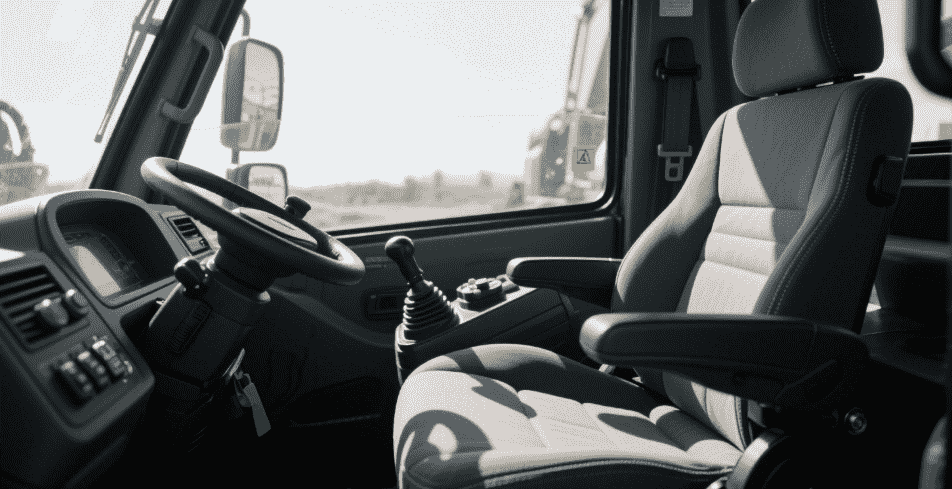
The comfort and safety of the operator have a direct impact on their performance and, consequently, the overall productivity of the job site. A fatigued or uncomfortable operator is more likely to make mistakes or require longer breaks, ultimately decreasing the amount of work done in a day.
- Ergonomically Designed Cabs: The LH-938 features a spacious and ergonomically designed luxury cab, which helps reduce operator fatigue by providing ample space, adjustable seating, and a temperature-controlled environment.
- Operator-Focused Design: The LH-948 also includes a luxurious cab that prioritizes operator comfort. Features such as adjustable air conditioning, better seating, and noise reduction help maintain a comfortable environment even during long shifts.
- Improved Focus: A comfortable operator can focus better on the task at hand, leading to fewer mistakes and more consistent work output. As a result, fewer errors and better overall job performance directly contribute to productivity.
4. Reduced Maintenance Downtime: Keeping Your Loader Running Smoothly
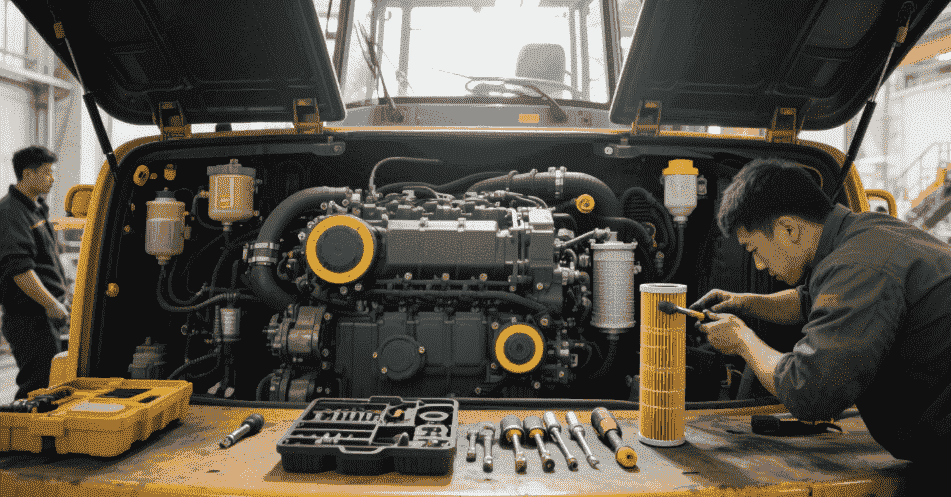
Maintenance is essential to ensure that your front end wheel loader continues to operate at peak efficiency. However, downtime caused by repairs or unscheduled maintenance can be detrimental to productivity.
- Durability and Reliability: The LH-938 and LH-948 are built with high-quality materials and advanced components, ensuring that they are both durable and reliable. With these features, the frequency of necessary repairs is reduced, minimizing the amount of downtime for maintenance.
- Easy Access for Maintenance: These models are designed for easy access to important components, which makes routine maintenance quicker and more efficient.
- Minimized Unexpected Downtime: Properly maintained equipment will run smoothly for longer periods, reducing the likelihood of unplanned breakdowns. This helps keep projects on track and prevents delays that could negatively affect overall productivity.
- Scheduled Maintenance: Both models are equipped with indicators for timely service, allowing you to plan for maintenance during off-peak hours to avoid disrupting work.
5. Enhanced Safety Features to Prevent Delays
Ensuring a safe work environment is essential not only for the well-being of your team but also for the productivity of your job site. Front end wheel loaders equipped with advanced safety features help reduce the risk of accidents, ensuring that work continues without interruptions.
- Dual-Pump Air Brake System: Both the LH-938 and LH-948 are equipped with a dual-pump air brake system, which enhances braking efficiency and reliability. This system allows for faster stops, particularly when operating in challenging conditions such as steep slopes or when carrying heavy loads.
- Stability and Control: The brake system also provides better control and stability, making it easier to maneuver through rough terrain and tight spaces.
- Safer Work Environment: With improved braking systems and greater stability, these loaders reduce the likelihood of accidents, ensuring a safer working environment for operators and workers on the site. This not only keeps the team safe but also reduces the risk of delays caused by accidents.
Comparison of 1 Ton Wheel Loader LH-938 and 2 Ton Wheel Loader LH-948
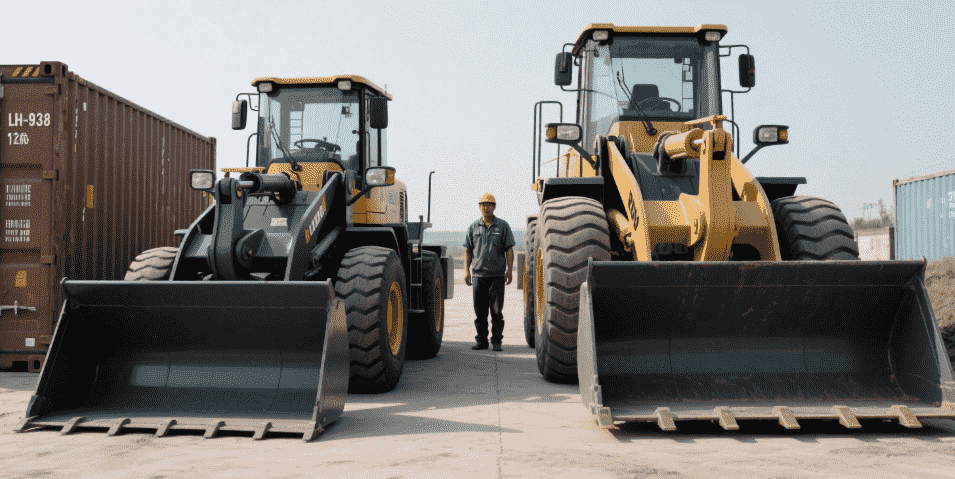
| Feature | 1 Ton Wheel Loader LH-938 | 2 Ton Wheel Loader LH-948 |
|---|---|---|
| Rated Load | 1000 KG | 2000 KG |
| Maximum Loading Height | 3.2 meters | 3.6 meters |
| Bucket Capacity | 0.65 m³ | 1.2 m³ |
| Engine | Huajie 490 | Huajie 4102 |
| Power | 42 KW | 78 KW |
| Brake System | Dual-pump air brake system | Dual-pump air brake system |
| Cab Design | Ergonomically designed luxury cab | Luxurious and spacious cab |
| Fuel Efficiency | Optimized by torque converter | Optimized by torque converter |
| Applications | Light-duty tasks, material handling | Heavy-duty tasks, construction |
How to Choose the Right Front End Wheel Loader for Your Job
Choosing the right front end wheel loader depends on several factors, such as load requirements, terrain, and the types of tasks you need to accomplish. Here are some things to consider:
- Job Type: Light-duty tasks may require a compact loader like the LH-938, while heavy-duty projects will benefit from the larger LH-948.
- Fuel Efficiency: Both loaders offer optimized fuel efficiency due to their torque converters, but consider the fuel needs for the volume of work you expect.
- Operator Comfort: If your team is working long shifts, a loader with a comfortable cab design will reduce operator fatigue.
- Maintenance Needs: Select a loader with durable materials and easy-to-access components for simpler maintenance.
Conclusion
The right front end wheel loader can make a significant difference in the productivity and efficiency of your job site. By choosing a model that matches your needs—whether it’s the LH-938 for light-duty tasks or the LH-948 for heavy-duty work—you can optimize your operations and ensure that your team works efficiently without sacrificing safety or comfort. With advanced features like torque converters, air brake systems, and ergonomic cab designs, the 1 Ton Wheel Loader LH-938 and 2 Ton Wheel Loader LH-948 are excellent investments that will boost your productivity by up to 30%.
FAQ
What is the main difference between the LH-938 and LH-948 loaders?
The LH-938 is a 1 Ton wheel loader, suitable for lighter tasks, while the LH-948 is a 2 Ton loader designed for heavier tasks with a higher rated load and larger bucket capacity.
How does a torque converter improve fuel efficiency?
The torque converter automatically adjusts the output torque to match varying workloads, which helps in optimizing engine performance and reducing fuel consumption.
Are the cabins in the LH-938 and LH-948 loaders comfortable for long hours of operation?
Yes, both models feature ergonomically designed luxury cabs that reduce operator fatigue and provide a comfortable, temperature-controlled environment.
Can these loaders handle rough terrain?
Yes, both models are equipped with dual-pump air brake systems for improved control and safety on challenging terrain.
What types of tasks are the LH-938 and LH-948 suitable for?
The LH-938 is ideal for light-duty tasks like material handling, while the LH-948 excels in heavy-duty construction and material handling projects.
How do the bucket sizes of the LH-938 and LH-948 impact performance?
The LH-938 has a bucket capacity of 0.65m³, making it ideal for lighter, more agile tasks, while the LH-948 has a larger bucket capacity of 1.2m³, designed for handling more significant amounts of materials in heavier construction or industrial tasks.
What types of maintenance should I perform on the LH-938 and LH-948 to maximize productivity?
To ensure peak performance and minimize downtime, it’s essential to perform regular checks on engine oil levels, hydraulic fluid, tire pressure, and brake systems. Both loaders come equipped with maintenance indicators to help you stay on top of required servicing and avoid unexpected issues.
Thank you for reading! If you found this content valuable, let’s keep the conversation going. For more insights, industry trends, and updates from Shandong Huaying International Trade Co., Ltd., be sure to connect with us on social media:
📌 Facebook: Shandong Huaying International Trade Co., Ltd.
We look forward to sharing more knowledge and opportunities with you. Let’s continue learning, growing, and innovating—together.