
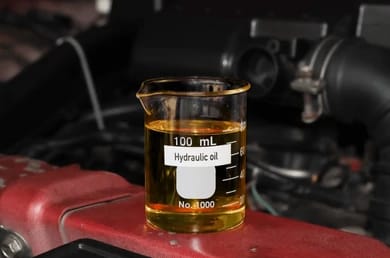
When it comes to maintaining your mini skid steer, one of the most critical components to monitor is the Mini Skid Steer Hydraulic Fluid. The hydraulic fluid plays a crucial role in the efficient functioning of the machine, providing power to the hydraulic system, which controls the lifting, tilting, and steering functions. Proper maintenance of the hydraulic fluid ensures optimal performance, increases the longevity of the equipment, and helps prevent costly breakdowns.
In this article, we will explore essential maintenance tips for keeping your Mini Skid Steer Hydraulic Fluid in top condition. Whether you’re a seasoned operator or a new owner, understanding the importance of regular maintenance can make a significant difference in your machine’s performance and lifespan.
What is Mini Skid Steer Hydraulic Fluid?
Mini Skid Steer Hydraulic Fluid is the lifeblood of the hydraulic system in your mini skid steer. This fluid is responsible for transmitting power within the hydraulic system, making it essential for the smooth operation of various functions like lifting and lowering attachments, as well as moving the machine. The hydraulic fluid also acts as a lubricant for the system’s moving parts and helps prevent corrosion.
There are various types of hydraulic fluids available, with each designed for specific conditions and requirements. Mini Skid Steer Hydraulic Fluid typically consists of a blend of base oils and additives that improve performance in terms of wear resistance, corrosion protection, and heat tolerance. It’s important to use the correct type of hydraulic fluid recommended by the manufacturer to ensure optimal machine performance.
Why Regular Maintenance of Mini Skid Steer Hydraulic Fluid Matters
Regular maintenance of your Mini Skid Steer Hydraulic Fluid is essential for several reasons:
1.Maintains Efficiency: Over time, hydraulic fluid can degrade due to heat, contamination, and regular use. Regularly checking and replacing the fluid ensures that the system continues to operate efficiently, reducing energy losses.
2.Prevents Wear and Tear: Dirty or low hydraulic fluid can lead to premature wear of the system’s components. Ensuring the fluid remains clean and at the correct level helps extend the lifespan of your skid steer.
3.Prevents System Failure: Old or contaminated hydraulic fluid can cause blockages or malfunctions within the hydraulic system. By maintaining the correct fluid levels and changing the fluid at the appropriate intervals, you reduce the likelihood of breakdowns and expensive repairs.
By following a proper maintenance schedule, you ensure that the Mini Skid Steer Hydraulic Fluid is functioning optimally, resulting in smoother operations and better performance.
How to Maintain Mini Skid Steer Hydraulic Fluid
Proper maintenance of your Mini Skid Steer Hydraulic Fluid involves several steps. Here’s a breakdown of key tasks to keep your system running smoothly:
1.Check Fluid Levels Regularly
Make sure to check the fluid levels frequently, especially before starting a day’s work. Low hydraulic fluid can cause the system to operate inefficiently, leading to potential damage. If the fluid level is low, top it up with the correct type of fluid.
2.Inspect Fluid Condition
In addition to checking fluid levels, it’s important to inspect the fluid’s condition. Fresh hydraulic fluid should be clear or slightly amber. If the fluid is dark or has a burnt smell, it’s time to change it. Contaminated fluid can cause damage to the hydraulic pump and other components.
3.Change Hydraulic Fluid Periodically
Changing the Mini Skid Steer Hydraulic Fluid at regular intervals is crucial for maintaining the system’s health. Follow the manufacturer’s recommendations for the fluid change schedule. Typically, the fluid should be changed every 500 to 1,000 hours of operation, but this may vary depending on your machine’s usage.
4.Check and Replace Hydraulic Filters
Hydraulic filters are designed to catch contaminants in the fluid. Over time, these filters can become clogged, reducing the flow of fluid and causing damage to the system. Regularly checking and replacing the filters ensures that your hydraulic system remains clean and efficient.
5.Avoid Mixing Different Fluids
Never mix different types of hydraulic fluids. Each fluid is formulated for specific applications, and mixing them can result in reduced performance and potential system failures. Always use the fluid recommended by your equipment’s manufacturer.
Types of Hydraulic Fluid for Mini Skid Steers
There are several types of Mini Skid Steer Hydraulic Fluid, each suited for different working conditions. The primary types include:
1.Mineral Oil-based Fluids
These are the most common and are typically used in general-purpose applications. They offer good performance at a reasonable cost but are not ideal for extreme temperatures.
2.Synthetic Hydraulic Fluids
These fluids are designed to provide superior performance, especially in extreme temperatures and high-stress environments. They tend to be more expensive but offer better resistance to oxidation and thermal breakdown.
3.Biodegradable Fluids
These are environmentally friendly alternatives to traditional hydraulic fluids. They break down naturally and are ideal for use in environmentally sensitive areas, such as agricultural or forestry applications.
When selecting hydraulic fluid, it’s essential to choose one that is compatible with your machine’s hydraulic system. Always consult the owner’s manual for specific recommendations.
Troubleshooting Common Issues with Mini Skid Steer Hydraulic Fluid
Even with regular maintenance, issues with Mini Skid Steer Hydraulic Fluid can arise. Here are some common problems and their solutions:
1.verheating Fluid
If the hydraulic fluid becomes too hot, it can cause the fluid to break down, resulting in system failure. Check the fluid level and quality, and ensure the radiator or cooling system is functioning properly.
2.Slow or Unresponsive Hydraulic Movements
If the hydraulics are slow or unresponsive, it could be a sign of low fluid levels or contamination. Check the fluid and replace it if necessary. Also, inspect the hydraulic filter for clogs.
3.Excessive Fluid Leaks
Leaks in the hydraulic system can lead to a loss of fluid, affecting performance. Check the hoses, seals, and connections for leaks and repair or replace damaged parts promptly.
Tips for Choosing the Right Mini Skid Steer Hydraulic Fluid
Choosing the right Mini Skid Steer Hydraulic Fluid is crucial for maintaining optimal performance. Here are some tips to help you select the correct fluid:
1.Check Manufacturer’s Recommendations
Always refer to the manufacturer’s guidelines to ensure compatibility with your mini skid steer.
2.Consider Operating Conditions
The climate and the type of work your skid steer is performing will affect the type of hydraulic fluid you need. For colder climates, a fluid with lower viscosity may be necessary, while for high-heat environments, you’ll need a fluid that resists breakdown under extreme temperatures.
3.Choose High-Quality Fluids
Opt for high-quality hydraulic fluids to ensure the longevity and performance of your mini skid steer. While cheaper fluids may seem like a cost-saving option, they can lead to increased wear and system failures in the long run.
Conclusion
Maintaining your Mini Skid Steer Hydraulic Fluid is essential for ensuring the efficiency and longevity of your mini skid steer. Regular fluid checks, timely changes, and proper maintenance will help your equipment perform at its best, reducing downtime and repair costs. By following the tips outlined in this guide, you’ll be able to keep your skid steer running smoothly for years to come. Always remember that the right hydraulic fluid, coupled with regular maintenance, is key to achieving optimal performance.
For more detailed information, please click here.