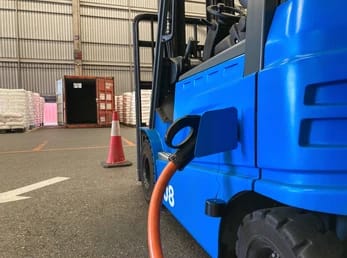

Mini skid steer Maintenance is the foundation of reliable hydraulic performance and safe operation. Proper attention to fluid condition, filtration and component inspection prevents many of the failures that lead to downtime and costly repairs.
Hydraulic system fundamentals
Modern compact skid loaders use closed hydraulic circuits with pumps, control valves, cylinders and heat exchangers. The system depends on clean hydraulic fluid to transmit power efficiently. Contamination, air ingress and overheating are the three primary stressors that accelerate wear in pumps and valves.
A good maintenance protocol targets these stressors: keep fluids clean and at the right level, maintain cooling capacity, and watch for signs of air or contamination entering the system.
Daily and pre-start checks
Daily visual checks are the first line of defense.
A solid Mini skid steer Maintenance program focuses first on hydraulic fluid condition, filters and hoses.
Inspect for leaks, check reservoir levels, and note unusual noises while the system is running at idle. Early detection of small leaks saves time and avoids secondary damage to fittings and structure.
A simple walk-around and short operational check take only a few minutes but yield valuable diagnostic clues.
Fluid selection, sampling and analysis
Fluid viscosity and additive chemistry affect lubrication, wear protection and heat transfer. Match the OEM specification for viscosity grade and additive package.
In effective Mini skid steer Maintenance, regular oil sampling detects contamination—water, soot or metal particles—before catastrophic valve or pump failure.
Periodic particle counts and ferrography help predict component wear, allowing planned replacement instead of emergency repairs.
Samples are best taken from running systems at operating temperature, using recommended sampling ports to avoid misleading results.
Filter care and contamination control
Filtration is the heart of contamination control.
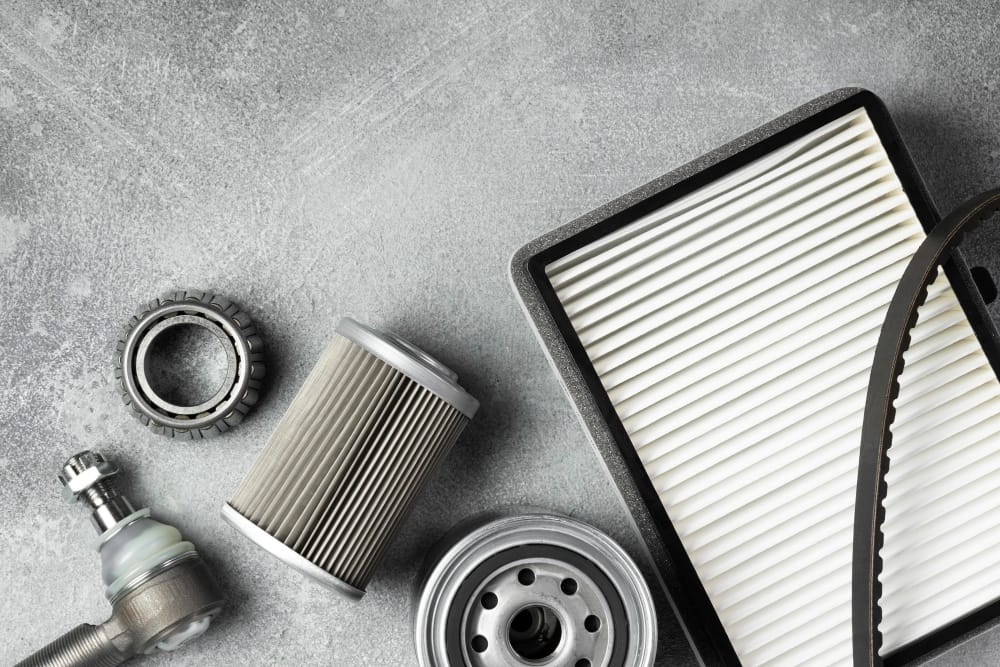
Proper Mini skid steer Maintenance mandates following manufacturer replacement intervals for suction, pressure and return filters.
Use the correct micron ratings and change filters when differential pressure indicators suggest loading. A bypassed or plugged filter can starve pump inlets and cause cavitation.
Keep the reservoir lid sealed and vent filters clean to reduce ingression of dust and moisture.
Hoses, fittings and seals
Hydraulic hoses and fittings are common failure points if not routinely inspected.
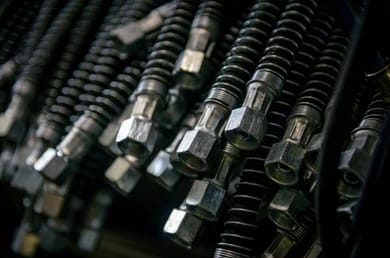
Component inspection is part of any Mini skid steer Maintenance plan; look for abrasion, kinking and worn crimp ferrules.
Replace hoses showing external damage or internal bulging, and use proper torque and back-up wrenches on fittings to avoid damage that produces weepage under pressure.
Pay attention to quick couplers and implement hoses — these see the most connection cycles and wear.
Pumps, motors and heat management
Pumps and motors are the system’s workhorses and run hot under load.
Preventive Mini skid steer Maintenance includes monitoring pump noise, temperature and flow to spot cavitation or wear.
Record operating temperatures during typical loads; rising temperatures often indicate restricted coolers or high contamination levels. Address cooling issues promptly, as elevated fluid temperature accelerates varnish and sludge formation.
Monitor for unusual vibration or cavitation noise—both symptoms that precede seal and vane damage.
Troubleshooting common hydraulic faults
When a fault appears, isolate the circuit and work methodically.
When troubleshooting, Mini skid steer Maintenance protocols should prioritize isolating hydraulic circuits to pinpoint leaking valves or failed actuators.
Isolate the boom, tilt, and travel sections individually, checking pressure and flow at key test points to determine whether the issue is upstream or downstream of the pump.
Use OEM diagnostic procedures where available.
Symptom: sluggish or inconsistent actuator motion
Sluggish response often traces back to contamination or internal pump wear—addressing these is a core aspect of Mini skid steer Maintenance.
Check filter restriction, verify pump displacement and inspect control valve spools for scoring or sticking. Small contaminants can jam spools and reduce flow.
Symptom: overheating under load
Overheating can be due to blocked coolers or low oil, and quick action within a Mini skid steer Maintenance routine prevents heat-induced degradation.
Clean coolers and ensure airflow is unobstructed; check for degraded hoses that reduce circulation and inspect radiator fins for debris.
Symptom: noisy pump or cavitation
Cavitation damage shows as pitting on pump components, and detecting early signs via Mini skid steer Maintenance inspections avoids costly pump replacements.
Cavitation arises from suction restrictions or air ingestion. Inspect suction lines, reservoir pickup location, and ensure proper suction strainer condition.
Records, predictive maintenance and operator training
Good Mini skid steer Maintenance relies on records—fluid analysis results, filter changes and component replacements—to enable trend-based decisions.
A maintenance log helps identify recurring issues and supports predictive actions like scheduled pump rebuilds or cooling upgrades. Train operators to recognize and report subtle symptoms—smells, noises and changes in control feel—which often precede visible failure.
Best-practice tips and shop-level fixes
Train operators on Mini skid steer Maintenance basics so pre-shift checks catch small leaks and abnormal noises.
Keep a calibrated pressure gauge and a supply of correct filters and seals in the field to make safe temporary repairs and return machines to production without delay. Use proper torque sequences and avoid quick, hot-weld repairs on hydraulic components.
Conclusion: a disciplined approach reduces downtime
In sum, a disciplined Mini skid steer Maintenance program—focused on fluid integrity, filtration, leak control and informed troubleshooting—maximizes uptime and reduces repair costs.
Routine inspections, fluid analysis, correct filtration and prompt component replacement are the pillars of a robust hydraulic maintenance strategy.
If you want to learn more about this topic, please click here.