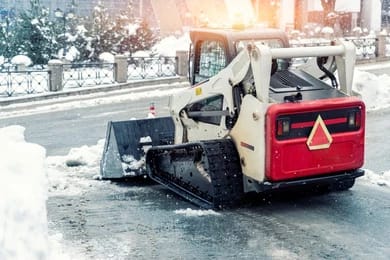
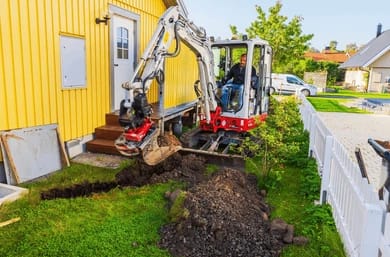
Home improvement projects have evolved far beyond simple landscaping. Today, more homeowners are taking on tasks such as drainage installation, backyard leveling, fence foundations, and small utility trenches. In this context, a Residential Excavator is no longer seen as professional-only equipment. Instead, compact excavators designed for home use are becoming practical tools for property owners who want control, efficiency, and long-term value.
Unlike large construction machines, residential-focused excavators are built around accessibility, maneuverability, and ease of operation. Understanding how they fit into real home environments is the first step toward choosing the right machine.
Table of Contents
Why Homeowners Are Looking at Excavators Differently
Traditionally, excavation work at home meant hiring contractors. However, rising labor costs and longer project timelines are changing this mindset. A Residential Excavator allows homeowners to manage projects at their own pace, without scheduling delays or repeated service fees.
For many, the appeal is not about replacing professionals, but about handling smaller, recurring tasks independently. From maintaining drainage lines to reshaping garden terrain, having direct access to excavation capability changes how homeowners approach property maintenance.
What Makes a Residential Excavator Suitable for Home Use
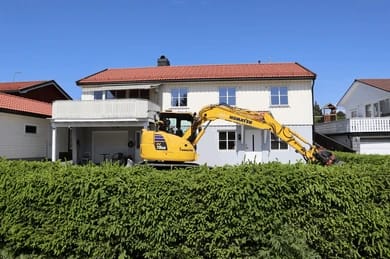
A Residential Excavator must operate within tight spaces. Residential yards often include fences, trees, patios, and existing structures that limit movement. Compact dimensions and precise control are therefore essential.
Noise level and ground impact also matter. Residential environments demand machines that minimize disruption to neighbors and avoid damaging lawns or paved surfaces. This is where smaller excavators, especially models often categorized as a Mini Excavator, show clear advantages.
Mini Excavator vs Traditional Equipment in Residential Settings
When comparing equipment options, size alone does not tell the full story. A Residential Excavator prioritizes balance rather than raw power. While a Mini Excavator delivers sufficient digging force for household projects, it also offers smoother operation and easier transport.
Traditional equipment may finish a single task faster, but residential projects rarely require continuous heavy excavation. Instead, flexibility and ease of storage become more valuable over time.
Typical Home Projects That Benefit from a Residential Excavator
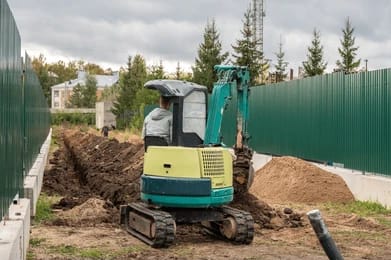
Drainage improvements are one of the most common reasons homeowners consider a Residential Excavator. Shallow trenching around foundations or gardens can be done accurately without disturbing surrounding soil.
Other frequent uses include fence post installation, tree root removal, small retaining wall preparation, and backyard grading. These tasks require controlled digging rather than large-scale earthmoving, making compact machines the logical choice.
Ease of Operation Matters More Than Specifications
For non-professional users, intuitive controls are critical. A Residential Excavator should not require extensive training or technical background. Simple joystick layouts, stable tracking systems, and predictable hydraulic response make a noticeable difference.
This usability factor is often more important than maximum digging depth or engine output. Homeowners value confidence and control, especially when working close to buildings or utilities.
Storage, Transport, and Practical Ownership
Owning a Residential Excavator also involves considerations beyond operation. Storage space is limited for many homeowners, and machines must fit into garages or sheds. Compact footprints and foldable components increase practicality.
transport. Smaller excavators are easier to move between properties or job sites without specialized equipment.
Cost Efficiency Over Time
From a financial perspective, a Residential Excavator becomes more attractive when projects extend over months or years. Instead of repeated rental fees or contractor invoices, ownership allows gradual progress without time pressure.
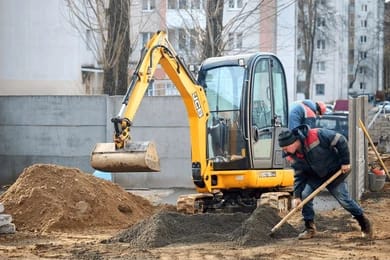
While upfront costs exist, they are often offset by reduced outsourcing and greater scheduling flexibility. For homeowners managing multiple properties or long-term improvements, this equation becomes even more favorable.
Safety and Precision in Residential Environments
Safety is a critical concern when working near homes. A Residential Excavator offers better visibility and finer control than larger machines, reducing the risk of accidental damage.
Precision digging also minimizes unnecessary soil displacement, preserving landscaping and reducing cleanup time. These benefits are particularly valuable in compact residential yards where mistakes are costly.
How Residential Excavators Are Changing DIY Culture
The growing availability of residential-focused excavation equipment is reshaping DIY culture. A Residential Excavator empowers homeowners to take on projects that were previously outsourced by default.
This shift does not eliminate professional services but complements them. Homeowners can prepare sites, handle preliminary work, or maintain existing installations more effectively.
Choosing the Right Size for Residential Needs
Size selection should always reflect actual usage. A Residential Excavator that is too large creates handling and storage challenges, while one that is too small limits capability.
For most home applications, compact models similar in scale to a Mini Excavator strike the right balance. They provide sufficient digging power without overwhelming the residential environment.
Long-Term Value Beyond Single Projects
What makes a Residential Excavator particularly appealing is its continued usefulness. After a major project is completed, the machine remains valuable for maintenance, seasonal upgrades, and unexpected repairs.
This long-term utility distinguishes residential excavators from single-purpose tools and explains their increasing presence in private property settings.
Final Thoughts on Residential Excavator Selection
Choosing a Residential Excavator is ultimately about aligning machine capability with real household needs. Homeowners benefit most when they focus on control, adaptability, and ease of ownership rather than industrial-scale performance.
As residential projects become more ambitious, compact excavation equipment will continue to play a growing role in how people shape and maintain their living spaces.