

I’m thrilled to have you here! Before we dive into the content, let’s stay connected. Join me on my social media platforms for more insights, community engagement, and regular updates. Here’s where you can find me:
📌 Facebook: Shandong Huaying International Trade Co., Ltd.
Now, let’s embark on this journey together. I hope you find the content here not only insightful and engaging but also valuable to your interests. Let’s learn, grow, and connect!
Table of Contents
Introduction
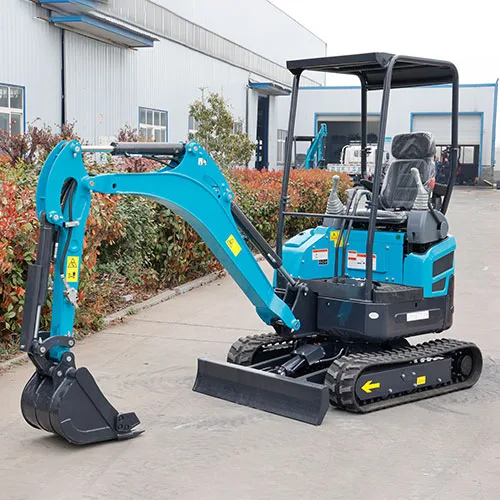
When planning to purchase construction equipment, one of the most crucial considerations is choosing the right excavator for the job. Among the various specifications to consider, the sizes of excavators stand out as a defining factor for efficiency, cost, and suitability. Whether you’re managing a residential landscaping project or a large-scale industrial operation, the right excavator size can save time, money, and effort.
Excavators come in multiple sizes, each tailored to different tasks, terrain conditions, and power requirements. From compact mini excavators to large crawler models, buyers must match the machine to the scope of work to avoid inefficiencies or operational challenges. This guide will highlight the top five tips for buyers looking to understand and select from the different sizes of excavators available in today’s market.
Tip 1: Match Excavator Size to Project Scope
Choosing the correct size of an excavator starts with a clear understanding of your project requirements. Each excavator size Selecting the correct machine starts with a deep understanding of your project’s scope, environment, and workload. The sizes of excavators directly influence how effectively the job gets done—both in terms of time and cost. Each size category serves a distinct purpose, and choosing the wrong one can result in operational setbacks or even safety concerns.
Common Applications by Sizes of Excavators
- Mini Excavators (0.8 to 6 tons): These are perfect for small-scale tasks such as residential landscaping, utility trenching, indoor demolition, and light-duty digging. Their compact size allows them to access tight spaces with ease and minimal site disruption.
- Medium Excavators (7 to 25 tons): More versatile in nature, medium-sized machines are ideal for urban construction sites, utility installation, light demolition, and moderate lifting. These models strike a balance between power and maneuverability.
- Large Excavators (26 tons and above): Designed for the toughest jobs, these machines are best used in mining, large-scale infrastructure projects, and heavy-duty bulk material handling. They offer unmatched digging depth and lifting strength, but their large footprint makes them unsuitable for confined or residential sites.
Understanding the typical use case for different sizes of excavators can help buyers avoid underperformance or unnecessary overspending. Smaller models provide better maneuverability and reduced operating costs, while larger models deliver raw power for heavy-duty tasks. The best choice depends entirely on matching the machine’s capability with the project’s unique demands.
Tip 2: Understand Weight Classes and Machine Performance
he industry categorizes sizes of excavators by their operating weight, a specification that directly impacts the machine’s capacity, reach, and overall performance. This classification is not just a number—it represents how the machine handles real-world construction scenarios.
Heavier machines typically provide greater digging depth, superior lifting capability, and extended reach. Conversely, lighter excavators are easier to transport, more fuel-efficient, and suitable for tighter job sites.
Excavator Size and Performance Table
| Excavator Type | Operating Weight Range | Typical Use Cases | Max Digging Depth |
|---|---|---|---|
| Mini Excavator | 0.8 to 6 tons | Landscaping, pipe laying, small trenching | Up to 13 ft |
| Midi Excavator | 7 to 10 tons | Road work, small structures | Up to 16 ft |
| Standard Excavator | 11 to 25 tons | Urban sites, heavy lifting | Up to 20 ft |
| Large Excavator | 26 tons and above | Quarrying, large-scale excavation | 20+ ft |
When comparing sizes of excavators, buyers should assess how the machine’s weight aligns with project demands. Selecting an undersized excavator may compromise performance and increase wear and tear, while choosing a machine that’s too large could inflate fuel costs, create maneuverability issues, and strain the project budget.
Tip 3: Consider Job Site Conditions and Accessibility
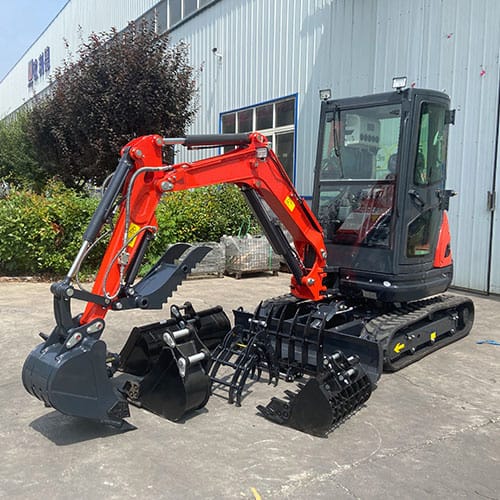
Another important aspect when evaluating the sizes of excavators is the physical condition and layout of the job site. Urban One of the most overlooked aspects when choosing among different sizes of excavators is the physical condition of the job site. Beyond the project scope, the actual space available can make a big difference in machine effectiveness.
Important Job Site Factors to Consider:
- Entry Width and Access Points: Ensure the excavator can enter the job site without requiring significant modifications.
- Overhead Clearance: Construction sites with power lines, trees, or ceilings (in interior work) may limit the vertical range of larger machines.
- Terrain and Ground Conditions: Uneven, muddy, or sandy surfaces may demand a tracked excavator of a certain size for better traction and weight distribution.
- Noise and Emissions Regulations: Urban or residential areas may restrict large, high-emission machines due to local environmental codes.
Choosing the right sizes of excavators based on job site constraints ensures optimal performance and regulatory compliance. A mini excavator might be the only viable choice for enclosed or sensitive areas, while wide-open job sites allow for the use of full-sized or large models. Always assess these factors thoroughly before finalizing a purchase.
Tip 4: Evaluate Attachment Compatibility Across Excavator Sizes
An excavator’s value increases significantly with its versatility—and that comes from attachments. However, not every attachment fits every machine. The sizes of excavators largely determine what types of attachments they can handle safely and effectively.
Common Attachments for Different Sizes of Excavators:
- Mini and Midi Excavators:
- Hydraulic hammers for breaking concrete and rock
- Augers for precise digging of holes
- Grapples for handling debris and logs
- Standard and Large Excavators:
- Crushers and shears for demolition
- Rippers for frozen ground or hard surfaces
- Heavy-duty buckets for dredging or mass excavation
Before purchasing or renting attachments, confirm the machine’s hydraulic capacity, coupling type, and lifting limits. Incompatible attachments not only reduce productivity but can also damage the machine and endanger the operator. When evaluating the sizes of excavators, always factor in the attachments you’ll need—today and in the future—to maximize ROI.
Tip 5: Balance Initial Investment and Operating Costs
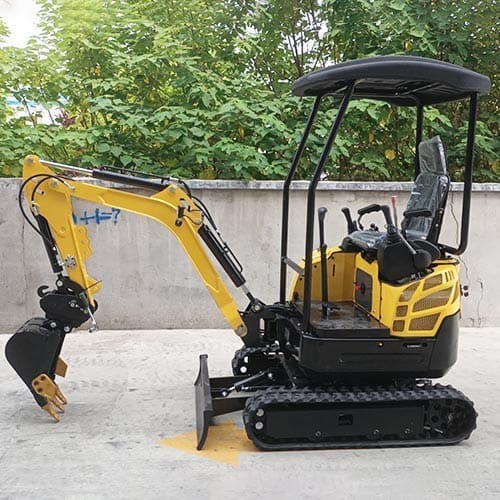
Cost is a decisive factor when comparing sizes of excavators. While it may be tempting to buy the biggest and most powerful machine, this isn’t always the most economical choice. Smaller machines have lower purchase prices and are generally cheaper to operate, but they may extend project timelines if they lack the required capacity.
Key Cost Considerations by Excavator Size:
- Purchase Price: Larger machines cost more upfront.
- Insurance and Taxes: Heavier equipment usually incurs higher premiums and fees.
- Fuel Efficiency: Smaller excavators consume less fuel but may work longer to complete the same task.
- Transport Requirements: Oversized machines may require special transport permits or trailers.
- Maintenance and Repairs: Higher capacity machines often involve more expensive components and longer downtime.
The ideal approach is to evaluate the sizes of excavators not just in terms of initial cost but also total cost of ownership (TCO). Buyers should consider how often the machine will be used, the length and type of jobs, and the total lifecycle value. Sometimes a medium-sized excavator provides the best of both worlds: strong performance and manageable running costs.
Conclusion
Understanding the various sizes of excavators is essential for making an informed purchase. By aligning the machine’s capabilities with your operational goals, you can avoid common pitfalls such as overinvestment or operational inefficiency. From project scope to job site constraints and long-term operating costs, the correct excavator size can dramatically improve productivity and profitability.
Use the tips outlined in this guide to navigate your options effectively and ensure that your next equipment purchase supports your goals in every aspect.
FAQ
What is the best size excavator for residential use?
Mini excavators, within the 0.8 to 6-ton range, are ideal for residential projects. Among all sizes of excavators, they offer easy maneuverability and minimal ground impact.
Can one excavator size handle all tasks?
No. Different sizes of excavators are built for specific tasks. Using just one size for all work may reduce efficiency and lead to underperformance.
How does the weight of an excavator affect its performance?
Excavator weight affects digging depth and lifting power. Larger sizes of excavators offer more strength but also require more fuel and working space.
Are larger excavators always better for big jobs?
Not always. While large sizes of excavators provide power, mid-sized models often offer better maneuverability and lower running costs in tighter environments.
Do all attachments fit every excavator size?
No. Attachments must match the machine’s specs. Different sizes of excavators support different hydraulic flow rates and coupling systems for safe use.