
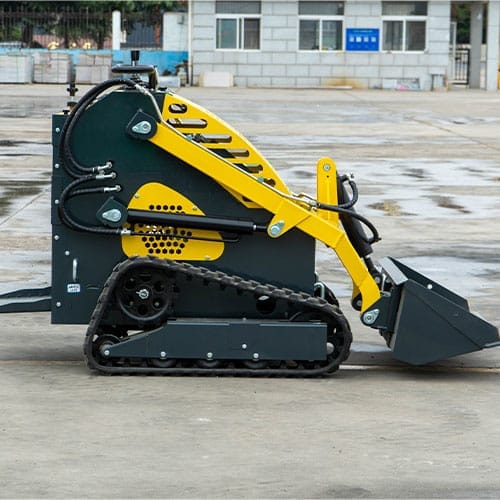
In the construction and landscaping industries, the ability to do more with less defines market competitiveness. Skid steer loader efficiency is not merely a technical specification; it is a critical metric that directly impacts hourly operating costs and project timelines. Whether you are managing a single machine or a diverse fleet, optimizing the output of these versatile powerhouses is essential for a healthy bottom line.
This guide explores the mechanical and operational variables that dictate skid steer loader efficiency, providing actionable insights to transform your machine into a high-productivity asset.
Table of Contents
The Foundation of Skid Steer Loader Efficiency
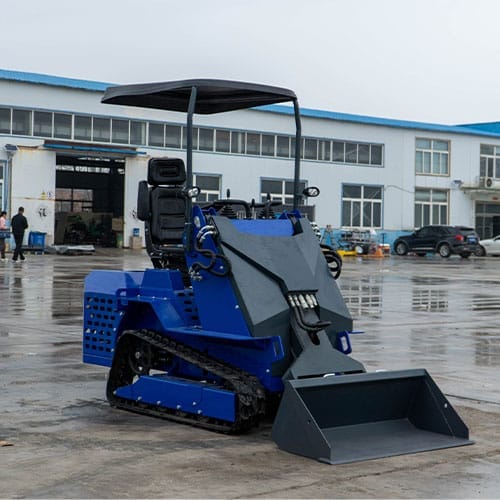
To understand skid steer loader efficiency, we must look beyond raw horsepower. True productivity is found in the synergy between hydraulic power, machine weight, and operator technique. In modern compact equipment, the integration of advanced electronics allows for finer control, yet the fundamental principles of physics remain the primary bottleneck for many operators.
When we discuss skid steer loader efficiency, we are measuring the volume of material moved or the tasks completed per gallon of fuel consumed. Achieving peak performance requires a holistic approach that balances machine capabilities with real-world jobsite demands.
Technical Variables in Skid Steer Loader Efficiency
Maximizing the output of your equipment requires a deep dive into the internal systems. One of the most overlooked aspects of skid steer loader efficiency is hydraulic flow optimization. The hydraulic system is the lifeblood of the machine, and any inefficiency here leads to wasted energy and excessive heat.
1.Hydraulic Flow Optimization
The distinction between standard-flow and high-flow hydraulics is pivotal. Utilizing high-flow vs standard-flow hydraulics for loader efficiency ensures that demanding attachments—such as cold planers or mulchers—receive the exact pressure required without taxing the engine unnecessarily.
2.Skid Steer Fuel Consumption
Monitoring skid steer fuel consumption is the most direct way to track efficiency. Modern Tier 4 Final engines are designed for peak torque at lower RPMs. Operators who understand how to utilize this power band can significantly improve skid steer loader efficiency by avoiding “full throttle” operation when it isn’t required for the task at hand.
3.Cycle Time Reduction
Knowing how to maximize skid steer loader cycle times involves optimizing travel paths and minimizing idle time. Every second saved during a load-and-carry cycle compounds into hours of gained productivity over a work week.
Enhancing Skid steer attachments productivity
The machine is only as efficient as the tool at the end of its arms. A significant portion of skid steer loader efficiency is derived from selecting the right tool for the specific soil or material type. Using an oversized bucket on a low-horsepower machine, for instance, leads to hydraulic stalling and decreased skid steer loader efficiency.
Investing in best skid steer attachments for construction efficiency, such as high-capacity grapples or specialized trenchers, allows the machine to complete specialized tasks faster than general-purpose tools. Furthermore, ensuring that your quick-attach system is clean and well-lubricated reduces downtime during tool changes, further boosting skid steer loader efficiency.
Maintenance: The Silent Driver of Productivity
You cannot maintain skid steer loader efficiency if the machine is sidelined for unscheduled repairs. Implementing preventive maintenance tips for skid steer performance—such as daily track tension checks or radiator cleaning—prevents the engine from overworking due to friction or overheating. A machine that breathes well and moves freely is inherently more efficient.
| Metric | Target Goal | Impact on Efficiency |
| Idle Time | < 15% of total runtime | Direct reduction in fuel waste |
| Tire/Track Pressure | Manufacturer Spec +/- 2 psi | Reduces rolling resistance |
| Hydraulic Temp | 60°C – 85°C (140°F – 185°F) | Ensures optimal fluid viscosity |
| Attachment Match | 90-100% Flow Compatibility | Prevents hydraulic overheating |
Compact track loader vs skid steer efficiency
In soft or uneven terrain, the compact track loader vs skid steer efficiency debate becomes relevant. While wheeled units offer faster travel speeds on hard surfaces, tracked units provide superior flotation and pushing power in mud. Selecting the correct platform for the environment is the first step in ensuring skid steer loader efficiency across different seasonal conditions.
FAQ
How much does idle time affect my overall efficiency?
Excessive idling can account for up to 20% of skid steer fuel consumption. Reducing idle time is the fastest way to improve skid steer loader efficiency without spending a dime on parts.
Can worn tires decrease my machine’s productivity?
Absolutely. Worn tires lead to increased wheel spin, which wastes engine power and reduces skid steer loader efficiency during heavy pushing or lifting operations.
Is high-flow hydraulics always better for efficiency?
Not necessarily. High-flow is only beneficial for specific high-demand attachments. For standard bucketing, it may consume more power than necessary, actually lowering your skid steer loader efficiency.