
Table of Contents
Introduction

Remote-controlled lawnmowers are revolutionizing lawn care by combining automation, precision, and convenience. Whether you have a small backyard or a large commercial property, these smart machines allow you to maintain a pristine lawn with minimal effort. This guide will walk you through everything from types and features to usage tips, comparisons, real-world examples, and FAQs.
How Remote-Controlled Lawnmowers Work
Remote-controlled lawnmowers rely on modern technology to make mowing effortless and safe.
Remote Operation and Control
A handheld remote or smartphone app allows users to operate the mower from a distance. You can move it forward, backward, or adjust its direction without manually pushing, saving time and energy.
Core Components
- Cutting Blades: Efficient blades that trim grass evenly and reduce the need for multiple passes.
- Battery and Power System: Rechargeable lithium-ion batteries power the mower for 1–3 hours depending on model size.
- Sensors and Safety Systems: Prevent collisions with pets, furniture, or obstacles, and include tilt or lift sensors for extra safety.
Navigation and Path Planning
Advanced models include GPS or AI navigation systems. They can map the lawn, plan an optimal mowing route, and return to the charging station automatically, reducing the need for constant supervision.
Types of Remote-Controlled Lawnmowers
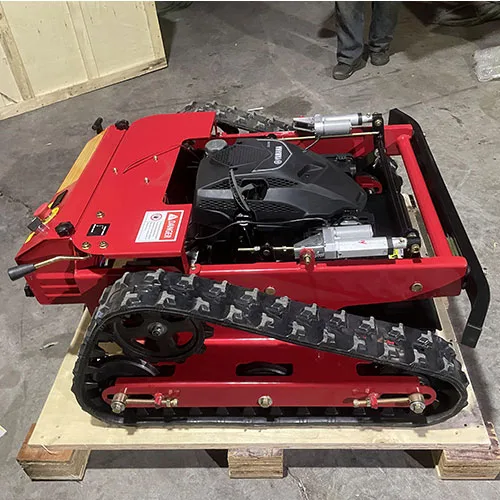
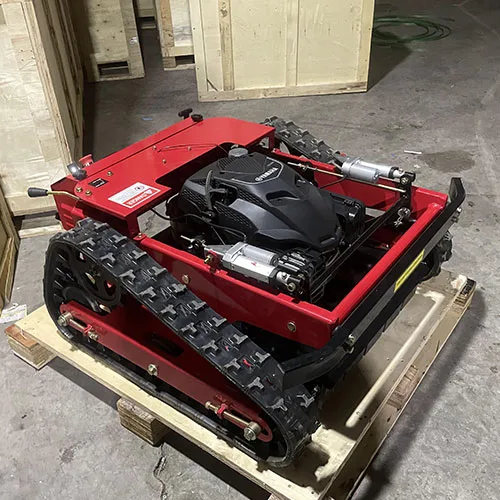
Understanding the different types of remote-controlled lawnmowers is essential for selecting the right machine that matches your lawn size, terrain, and maintenance needs. With the right mower, you can save time, reduce physical effort, and maintain a healthy, well-manicured lawn efficiently.
Manual Remote vs Autonomous Robotic Mowers
Manual remote-controlled mowers allow direct control of the machine via a remote, making them ideal for small to medium lawns where precision is important. Users can navigate around obstacles, tight corners, and uneven terrain.
Autonomous robotic mowers, on the other hand, operate independently using advanced AI, sensors, and mapping technology. They can handle complex lawns with obstacles, slopes, or uneven surfaces, returning automatically to their charging stations when the battery is low. These robotic mowers are perfect for busy homeowners or large residential lawns who want minimal manual intervention.
Residential vs Commercial Mowers
Residential remote-controlled mowers are typically lightweight, compact, and quiet. They are optimized for suburban backyards, gardens, and small yards, providing a convenient solution for homeowners who value ease of use and low noise.
Commercial models are designed for larger areas such as parks, sports fields, or golf courses. They feature longer battery life, robust sensors for obstacle detection, durable cutting systems, and higher efficiency. Their build quality is designed for frequent, intensive use and to withstand tougher environmental conditions.
Real-World Case Example
A homeowner in California reported saving 5 hours per week using an autonomous robotic mower on a half-acre property. Previously, mowing required two full afternoons every weekend. With AI navigation, the mower handled uneven terrain, avoided obstacles, and returned to its charging dock automatically. This example illustrates how advanced technology can transform routine lawn maintenance into a time-efficient and stress-free process.
Features and Benefits of Remote-Controlled Lawnmowers
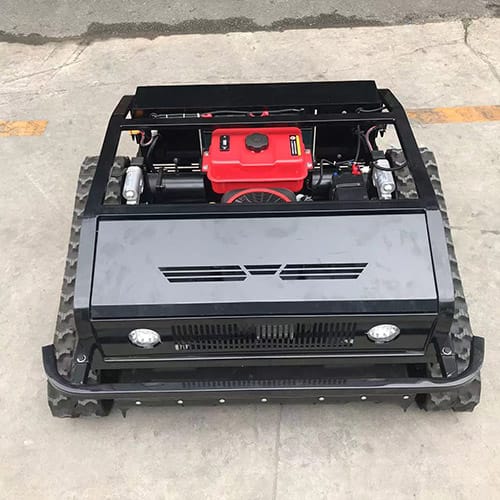
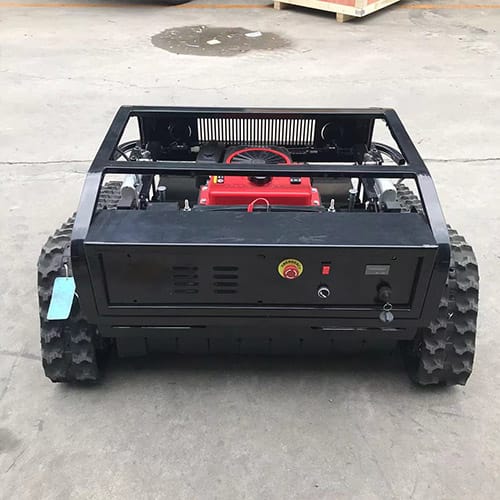
Smart Features for Convenience
Modern remote-controlled lawnmowers come equipped with features that enhance convenience and safety. Obstacle detection ensures the mower stops or reroutes to prevent collisions with trees, pets, or garden decorations. Adjustable cutting height allows precise customization for optimal grass health, while some models even include weather sensors that delay mowing during rain. Quiet electric operation makes these mowers particularly suitable for residential areas, avoiding disturbances common with gas-powered machines.
Time-Saving Advantages
One of the most significant benefits of remote-controlled mowers is the time saved. Users can multitask while the lawn is being trimmed, focusing on household chores, work, or leisure. This is especially valuable for busy homeowners or property managers, as it reduces labor costs and physical effort compared to traditional push or riding mowers.
Environmental and Energy Benefits
Electric remote-controlled mowers are environmentally friendly alternatives to traditional gas-powered machines. They reduce carbon emissions, produce less noise pollution, and consume less energy. Many robotic mowers use energy-efficient lithium-ion batteries and can be integrated with solar charging solutions, aligning perfectly with eco-conscious gardening practices. This makes them an ideal choice for those looking to maintain beautiful lawns while reducing their ecological footprint.
Parameter Comparison: Choosing the Right Model
To help users make informed decisions, here’s a detailed comparison of popular models:
| Feature / Parameter | Model A (Budget) | Model B (Mid-Range) | Model C (Premium) |
|---|---|---|---|
| Lawn Size Coverage | Small (<0.2 acres) | Medium (0.2–0.5 acres) | Large (>0.5 acres) |
| Navigation Type | Manual Remote | Semi-Autonomous | Fully Autonomous AI |
| Battery Life | 60 min | 90 min | 180 min |
| Slope Handling | Up to 10° | Up to 15° | Up to 25° |
| Safety Sensors | Basic | Advanced | Advanced + Lift Sensors |
| Noise Level | 65 dB | 60 dB | 55 dB |
| Ideal Users | Small yards | Homeowners with medium lawns | Large properties, parks |
This comparison helps readers quickly see which model fits their lawn size, terrain, and desired automation level.
Buying Guide: Factors to Consider
Choosing the right remote-controlled lawnmower requires careful consideration of several factors. Understanding your lawn, operational needs, and technology preferences ensures that you select a model that maximizes efficiency, safety, and convenience.
Lawn Size and Shape
The size and shape of your lawn are critical in determining the ideal remote-controlled lawnmower. Large lawns, especially those with irregular shapes or obstacles, benefit significantly from autonomous robotic mowers, which can navigate complex layouts efficiently. Smaller lawns or simple rectangular yards are well suited for manual remote-controlled models, allowing direct control without unnecessary automation. By matching mower type to lawn characteristics, homeowners can ensure complete coverage and minimize missed patches or repeated passes.
Battery and Runtime
Battery capacity and runtime are important considerations for remote-controlled lawnmowers. Autonomous models typically come with larger batteries or automatic docking features, allowing them to recharge mid-session and complete large areas without interruption. Manual remote-controlled mowers may have shorter runtimes, which is sufficient for smaller lawns but requires careful planning to avoid incomplete mowing. Evaluating battery life ensures the mower can meet your specific lawn size requirements without frequent interruptions.
Safety and Maintenance
Remote-controlled lawnmowers prioritize safety with built-in sensors, emergency stop features, and collision detection. These safety features protect children, pets, and garden structures from accidental damage. Routine maintenance is equally important to extend mower life. This includes cleaning blades, inspecting wheels and sensors, checking battery health, and storing the mower properly during off-seasons. Following a maintenance schedule ensures consistent cutting performance and prevents mechanical or electrical issues.
Feature vs Price Comparison
When selecting a remote-controlled lawnmower, balancing features with budget is essential. Basic models cover small lawns efficiently at a lower price, while premium autonomous mowers provide AI navigation, obstacle detection, longer battery life, and advanced safety sensors at a higher cost. Understanding the trade-off between price and functionality helps homeowners and property managers make informed decisions that maximize value while meeting specific operational needs.
Tips for Optimal Use
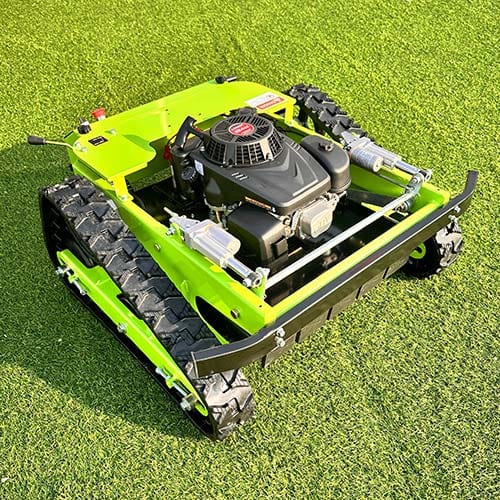
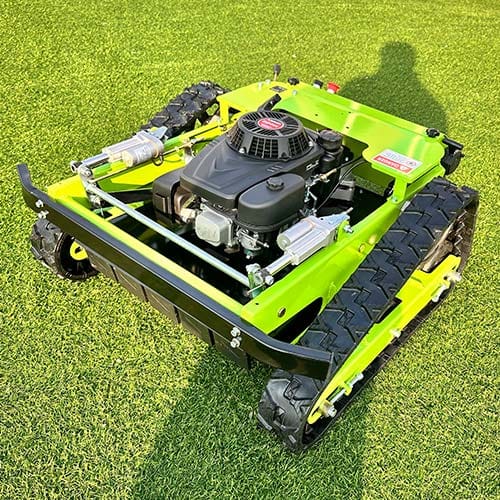
Operating Tips
To achieve the best results, operate remote-controlled lawnmowers when the grass is dry to prevent clogging and uneven cutting. Avoid slopes or inclines beyond the mower’s specified limits, as excessive strain can drain the battery and reduce performance. For autonomous models, setting virtual boundaries or guide wires ensures precise coverage and prevents accidental wandering.
Maintenance Tips
Maintaining a remote-controlled lawnmower involves regular cleaning of the mower body and blades, ensuring debris does not affect sensors or cutting efficiency. Batteries should be fully charged before storage, and units should be kept in cool, dry environments to prolong battery life. Periodically checking wheels, sensors, and connections ensures reliable operation and reduces the risk of downtime during peak mowing seasons.
Future Trends in Remote-Controlled Lawnmowers
AI and Smart Navigation
The next generation of remote-controlled lawnmowers will feature advanced AI for enhanced obstacle detection, route optimization, and fully autonomous lawn management. These innovations will allow mowers to adapt dynamically to changing lawn conditions, improving efficiency and precision.
Integration with Smart Homes
Future remote-controlled lawnmowers are expected to integrate with smart home ecosystems, allowing homeowners to schedule mowing sessions, monitor progress, and control operations via mobile apps or voice assistants. This integration enhances convenience and aligns with the growing trend of connected home technology.
Eco-Friendly Innovations
Battery and motor technology continue to advance, making remote-controlled lawnmowers quieter, more energy-efficient, and environmentally sustainable. These innovations reduce carbon emissions, minimize noise pollution, and contribute to eco-friendly lawn care practices, supporting homeowners who prioritize sustainability without compromising performance.
Conclusion
Remote-controlled lawnmowers offer a convenient and efficient solution for maintaining a well-groomed lawn. From small manual models to fully autonomous robotic mowers, there is an option for every property. By understanding features, comparing models, and following proper usage and maintenance practices, you can enjoy a beautifully manicured lawn with minimal effort.
Need specific recommendations for your property? Contact our engineers for personalized advice and find the perfect remote-controlled lawnmower for your needs.
FAQ
Is a remote-controlled lawnmower safe for pets and children?
Yes, most models include sensors that detect obstacles and automatically stop the mower. Always supervise when children or pets are nearby.
How big of a lawn can a remote-controlled mower handle?
Manual remote models are best for small to medium lawns. Autonomous models with longer battery life can cover large lawns up to an acre or more.
Can these mowers handle slopes and uneven terrain?
Slope tolerance varies by model. Most autonomous mowers handle gentle slopes better than manual models. Always check the manufacturer’s specifications for safety.
How do remote-controlled mowers compare to traditional push mowers?
Remote-controlled mowers save time and effort, include smart features, and often operate more quietly. Traditional push mowers are cheaper, simple to use, and don’t require charging.
How long do these mowers typically last?
With proper care, a quality remote-controlled mower can last 5–8 years. Batteries may require replacement after 2–3 years, depending on usage.