
Welcome to My Blog!
Before we dive into the content, I’d love for you to join me on my social media platforms where I share more insights, engage with the community, and post updates. Here’s how you can connect with me:
Facebook:https://www.facebook.com/people/Shandong-Huaying-International-Trade-CoLtd/61569380364327/
Now, let’s get started on our journey together. I hope you find the content here insightful, engaging, and valuable.
Table of Contents
Introduction

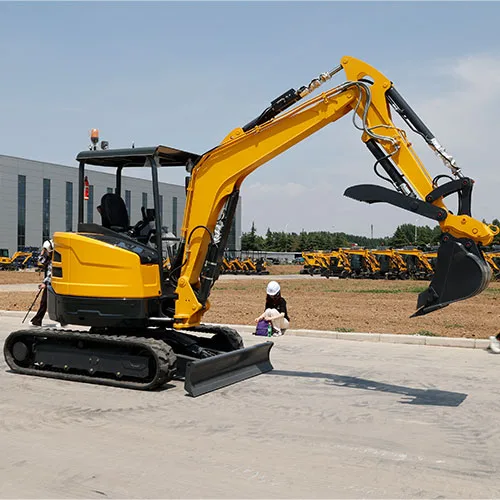
Excavators are indispensable in various construction, demolition, and mining projects. However, with so many options available, how do you determine which model is the best? Choosing the best excavators can have a significant impact on your project’s efficiency, costs, and safety. In this article, we’ll explore six essential features that can help you identify the best excavators for your needs.
NO 1. Engine Power and Performance: The Heart of the Best Excavators
The power of an excavator is one of the first features to evaluate. The engine’s horsepower plays a pivotal role in determining how well the machine can handle demanding tasks. A higher horsepower engine enables the excavator to lift heavier loads, dig deeper, and operate more efficiently on challenging terrains. For instance, the best excavators are typically equipped with engines that provide between 100 to 300 horsepower, depending on the model and intended use.
Key considerations:
- Load capacity and lifting power
- Fuel efficiency and power-to-weight ratio
- Suitable engine size for specific tasks
NO 2. Hydraulic System: Efficiency and Precision
A robust hydraulic system is vital for achieving the smooth and precise operation that heavy-duty excavators are known for. The best excavators boast hydraulic systems that can deliver high lifting forces, faster cycle times, and increased accuracy. Advanced hydraulics also enhance overall performance, enabling faster digging and safer operation in tight spaces.
Considerations when evaluating the hydraulic system:
- Flow rate and pressure capabilities:The flow rate of the hydraulic system determines how quickly it can perform operations, while the pressure rating dictates the system’s overall lifting and digging capacity. A higher flow rate and pressure capability are essential for demanding tasks that require significant power.
- Response time and precision control:Hydraulic systems with quick response times offer smoother transitions between tasks and provide operators with the control needed to perform tasks precisely. Machines with variable flow rates allow operators to adjust the system to meet the requirements of each job, ensuring optimal performance.
- Durability and ease of maintenance:A durable hydraulic system ensures that the excavator can operate for long periods without failure, reducing the need for costly repairs and downtime. Additionally, systems that are designed for easy maintenance allow operators to perform routine checks and repairs without extensive downtime, ensuring consistent performance over the life of the machine.
NO 3. Durability and Build Quality: Longevity You Can Count On
The longevity of an excavator is often directly linked to its construction and materials. The best excavators are built with reinforced steel or high-strength materials, which enable them to withstand harsh conditions over long periods of time. Whether you’re working in muddy environments, extreme heat, or icy terrain, a durable excavator will reduce the frequency of repairs and downtime, ensuring your project stays on schedule.
Factors to check for optimal durability:
- Reinforced undercarriages and track chains
- Corrosion-resistant materials
- Protective coatings for hydraulic components
NO 4. Operator Comfort and Safety Features: Prioritizing the User Experience
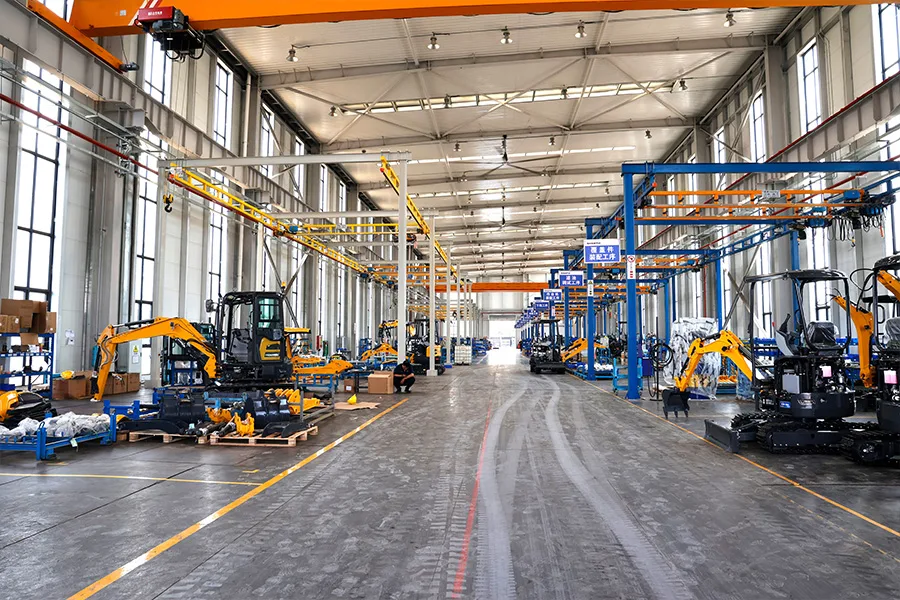
When working with excavators for extended periods, operator comfort and safety are critical. The best excavators are designed with ergonomic cabins that reduce fatigue and improve overall productivity. Features like air conditioning, adjustable seating, intuitive controls, and noise reduction systems are essential to ensure the operator’s comfort. Additionally, excavators equipped with advanced safety features such as roll-over protection (ROPS) and stability systems are a must-have to prevent accidents on the job site.
Key comfort and safety features to look for:
- Climate control and adjustable seating
- Safety systems (ROPS, FOPS, etc.)
- Visibility and user-friendly control layout
NO 5. Fuel Efficiency: Cutting Operational Costs
Fuel consumption is a major operational cost for excavators. With the rising cost of fuel, the best excavators are designed with fuel-efficient engines that allow operators to work for longer hours while minimizing fuel costs. Moreover, hybrid models are gaining popularity, combining the best of both worlds – fuel efficiency and power.
Evaluating fuel efficiency:
- Engine type and size
- Hybrid or electric models
- Fuel tank capacity and average consumption rates
NO 6. Versatility and Attachments: Maximizing Functionality

One of the most defining features of the best excavators is their versatility. Excavators that support a variety of attachments, such as buckets, breakers, and grapples, can handle different tasks, from digging trenches to demolition work. When evaluating an excavator, consider the range of attachments it supports and the ease of switching between them. This functionality can significantly increase productivity by allowing one machine to perform multiple roles on the same job site.
Considerations for versatility:
- Range and compatibility of attachments
- Easy-to-use attachment mounting system
- The excavator’s ability to perform a range of tasks
Table: Key Features of the Best Excavators
| Feature | Importance | Example Models |
|---|---|---|
| Engine Power | Essential for heavy lifting and digging | Caterpillar 320, Komatsu PC290 |
| Hydraulic System | Improves lifting capacity and precision | Hitachi ZX350LC-6, Volvo EC950F Crawler Excavator |
| Durability | Reduces downtime and increases machine lifespan | JCB 220X, Doosan DX300LC-5 |
| Operator Comfort & Safety | Increases operator productivity and well-being | Volvo EC950F Crawler, Liebherr R 936 C |
| Fuel Efficiency | Helps reduce operational costs | Hyundai HX235LCR, Bobcat E165 |
| Versatility & Attachments | Expands machine functionality | Kubota KX080-4, Case CX350D |
Conclusion
When choosing the best excavators for your projects, it’s crucial to evaluate a combination of features that align with your specific needs. From engine power and hydraulics to operator comfort and fuel efficiency, every aspect plays a role in determining the most suitable machine. The excavators we’ve discussed in this article represent the top models that offer the features necessary to boost productivity, improve safety, and reduce operational costs. By considering these six key features, you’ll be well-equipped to choose the best excavator for your job site.
FAQ
What makes a “best excavator” stand out from others?
The best excavators distinguish themselves from other models through a combination of superior power, durability, and user-friendly features. These machines are typically equipped with high-performance engines that provide ample horsepower for heavy lifting, digging, and tackling tough terrains. Advanced hydraulic systems ensure faster cycle times, improved precision, and greater digging force, making the excavators more effective and efficient. Safety features, such as roll-over protection systems (ROPS) and enhanced visibility for operators, further add to their appeal.
Another key element that makes the best excavators stand out is their fuel efficiency, which translates to reduced operational costs over time. Furthermore, they are designed with operator comfort in mind, offering ergonomic cabins and user-friendly controls to enhance productivity and minimize fatigue during long working hours. Overall, the best excavators provide a balanced combination of power, reliability, and comfort, which makes them ideal for a variety of construction, mining, and demolition tasks.
How do I know if an excavator is suitable for my project?
Choosing the right excavator for your project requires evaluating several critical factors based on your specific needs. The first step is to consider the load capacity required for the tasks at hand. Larger excavators with higher load capacities are suitable for heavy lifting and large-scale excavations, while smaller, more compact models are better suited for tasks in confined spaces.
The terrain is another key factor—if your project is located on uneven or rough ground, opt for a machine with tracks that can provide better stability and traction. Additionally, consider the specific tasks you need the excavator to perform. For example, if you’re focused on digging, then a model with strong digging force and deep digging reach is ideal. However, if your job involves lifting or demolition, choose an excavator with an appropriate attachment system for quick and easy attachment changes. It’s also important to think about maneuverability—if your worksite has limited space, a smaller, more agile model with excellent maneuverability will be crucial.
Are fuel-efficient excavators more expensive to purchase?
Fuel-efficient excavators may come with a higher upfront cost but can save money over time through reduced fuel consumption and lower operating costs. The long-term benefits make them a worthwhile investment, especially for large-scale or ongoing projects.
Can I use the best excavators for demolition work?
Yes, the best excavators can be equipped with attachments like hydraulic breakers and shears for demolition tasks. These machines provide the necessary power and versatility to handle tough demolition jobs efficiently and safely.
How can I maintain an excavator for optimal performance?
To maintain an excavator, follow the manufacturer’s maintenance schedule, which includes regular oil changes, hydraulic fluid checks, and air filter replacements. Inspect the machine’s components for wear and tear, especially the undercarriage and tracks, to ensure the excavator operates at its best for years to come.