
Table of Contents
Introduction
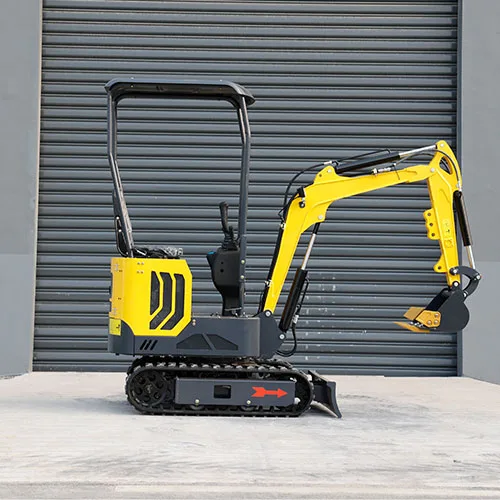
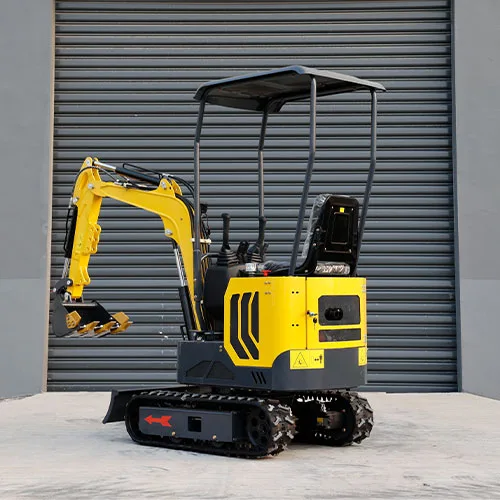
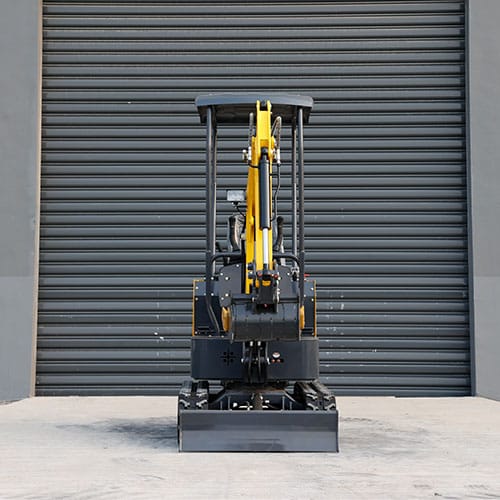
An Excavator is one of the most essential machines in modern construction, mining, and infrastructure projects. Known for its ability to dig, lift, and demolish, this versatile piece of equipment has become the backbone of earth-moving operations worldwide. Whether you see it at a city construction site or a remote quarry, the power and precision of an excavator make it indispensable in today’s heavy machinery industry.
So, what exactly is an excavator used for, and how does it work? Let’s dive deeper into its types, functions, and key components.
What Does An Excavator Do?
An Excavator is primarily used for digging and moving large amounts of earth or other materials. It can perform multiple operations like trenching, material handling, demolition, and grading. Its hydraulic system allows precise control, making it ideal for both heavy-duty and fine-digging tasks.
Understanding the Main Components of An Excavator
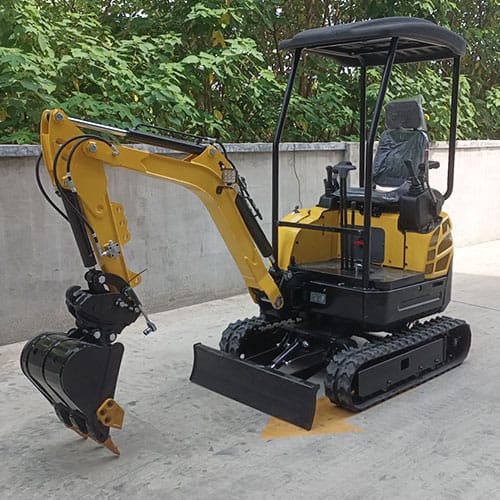
To better understand how an excavator works, it helps to know its key components. Each part plays a critical role in ensuring power, precision, and mobility on the job site.
Boom and Arm
These are the long, movable structures that extend outward to reach, lift, and dig materials. The boom provides the main lifting motion, while the arm extends the reach.
Bucket
Attached to the end of the arm, the bucket is used for digging, scooping, or carrying materials. Buckets come in different sizes and shapes for specific tasks.
Cab
The operator’s station, equipped with joysticks, pedals, and digital displays, providing full control of the excavator’s functions.
Undercarriage
This includes tracks or wheels, giving the machine stability and mobility on various terrains.
Hydraulic System
The powerhouse of an excavator, converting engine energy into the hydraulic pressure needed to move the boom, arm, and bucket smoothly.
Engine and Counterweight
The engine supplies power, while the counterweight balances the machine during lifting operations, preventing tipping.
Together, these components make an excavator both strong and precise, capable of performing a wide range of heavy-duty tasks with accuracy.
Common Uses of An Excavator
- Digging foundations and trenches
- Site grading and landscaping
- Mining and quarry operations
- Demolition of buildings and structures
- Lifting and placing heavy objects
Quick question: Can an excavator be used for more than digging?
Absolutely. Many excavators come with different attachments—like breakers, augers, and grapples—turning them into multifunctional machines.
Key Components of An Excavator
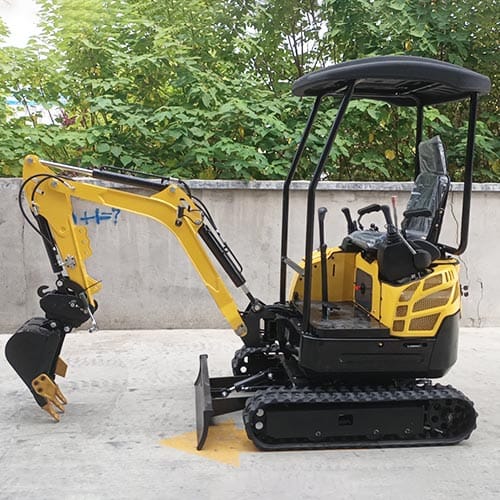
Every excavator shares a few main parts that define its operation and efficiency. Understanding these components helps you choose the right type for your needs.
| Component | Function | Description |
|---|---|---|
| Boom & Arm | Digging & Lifting | Extend outward to reach soil or material. |
| Bucket | Material Handling | Scoops, carries, or moves material. |
| Cab | Operator Control | Houses the driver and control systems. |
| Undercarriage | Mobility | Includes tracks or wheels for movement. |
| Hydraulic System | Power Source | Drives the boom, arm, and bucket with fluid pressure. |
How Hydraulics Drive Performance
The hydraulic system is the heart of an excavator. It converts engine power into movement, allowing smooth control over digging depth, speed, and lifting strength.
What Makes the Cab So Important?
Modern cabs are equipped with digital displays, ergonomic seats, and air conditioning. Operator comfort leads to greater efficiency, especially during long working hours.
Types of Excavators and Their Uses
Excavators come in various sizes and designs, each built for a specific purpose. Choosing the right one can significantly improve productivity and cost-efficiency.
Mini Excavator – Compact and Versatile
Perfect for small-scale construction or urban projects, mini excavators are easy to maneuver and transport. They’re ideal for backyard digging or indoor demolition.
Crawler Excavator – Power for Heavy Loads
A crawler excavator moves on tracks and is suited for rough terrain or large-scale earthmoving. It’s commonly used in mining, road construction, and heavy excavation.
Wheeled Excavator – Fast and Flexible
Designed for speed and mobility on paved roads, wheeled excavators are popular in urban construction zones.
Common search query: Which type of excavator is best for my project?
If you need heavy lifting and durability, go for a crawler model. For city or confined spaces, a mini or wheeled excavator is usually best.
How An Excavator Works – Step by Step
Operating an excavator involves a mix of hydraulic power and operator control. The process begins when the engine powers the hydraulic pump, which sends pressurized fluid to the boom, arm, and bucket.
Step-by-Step Working Process
- The operator uses joysticks to control movement.
- Hydraulic pressure activates cylinders in the boom and arm.
- The bucket digs, lifts, and dumps material as commanded.
- The undercarriage provides movement and stability.
This system gives the machine both precision and strength, allowing it to perform multiple tasks in one go.
Maintenance and Safety Tips for An Excavator
Proper maintenance ensures longer life and better performance for your excavator. Neglecting small checks can lead to costly breakdowns.
Daily Inspection Checklist
- Check hydraulic fluid levels
- Inspect tracks or tires for wear
- Ensure attachments are secured properly
- Clean air filters and remove debris
Operator Safety Essentials
Always wear a helmet and safety harness when operating an excavator. Maintain a clear view of your surroundings, especially in crowded sites.
Quick Tip:
How often should an excavator be serviced?
Most manufacturers recommend a full inspection every 250 operating hours, but always follow your specific machine’s maintenance schedule.
Choosing the Right Excavator for Your Project
Selecting the right excavator depends on your project’s scale, terrain, and type of material you’ll be handling.
Key Considerations Before Buying or Renting
- Job site size and conditions
- Lifting capacity and reach
- Availability of attachments
- Fuel efficiency and maintenance cost
If you’re running a short-term project, renting can be more cost-effective than buying.
Conclusion
An Excavator is more than just a digging machine—it’s a symbol of power, precision, and versatility. Its ability to perform multiple roles on different terrains makes it an irreplaceable part of any construction or mining operation. From small landscaping jobs to massive infrastructure projects, excavators continue to shape the way we build the modern world.
Understanding how an excavator works and maintaining it properly ensures you get the best performance and long-term value from your investment.
FAQ
Q1: What’s the difference between an excavator and a backhoe?
An excavator has a 360-degree rotating cab and is larger, while a backhoe has a fixed cab and two separate digging components.
Q2: How deep can an excavator dig?
Depending on the model, most excavators can dig between 10 to 25 feet deep.
Q3: Can I use an excavator on soft soil?
Yes, but it’s better to use wider tracks or mats to prevent sinking.
Q4: What’s the average lifespan of an excavator?
A well-maintained excavator can last 7,000–10,000 operating hours or more.
Q5: Are mini excavators worth buying for small contractors?
Definitely. They’re compact, fuel-efficient, and perfect for tight spaces and smaller projects.
Thank you for reading! If you found this content valuable, let’s keep the conversation going. For more insights, industry trends, and updates from Shandong Huaying International Trade Co., Ltd., be sure to connect with us on social media:
📌 Facebook: Shandong Huaying International Trade Co., Ltd.
We look forward to sharing more knowledge and opportunities with you. Let’s continue learning, growing, and innovating—together.