
Table of Contents
Introduction
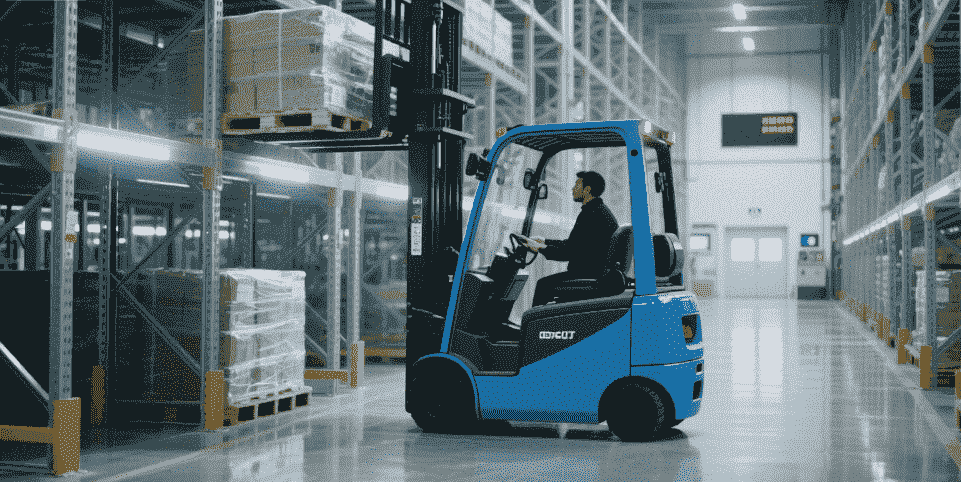
The evolution of warehouse operations has been significantly influenced by advances in material handling technology. Among the most transformative innovations in this field are industrial electric forklifts. These machines have revolutionized the way warehouses operate, offering increased efficiency, sustainability, and cost savings. In recent years, industrial electric forklifts have become the go-to choice for many businesses, offering clear advantages over traditional internal combustion forklifts.
This blog will explore the reasons why industrial electric forklifts are becoming the future of warehouse efficiency. We will look at their benefits, how they contribute to better workflow, and why they are set to dominate the industry in the coming years. We’ll also examine some of the key features that make them an indispensable part of modern warehouses.
The Benefits of Industrial Electric Forklifts for Warehouse Operations
Industrial electric forklifts offer numerous benefits that make them an excellent choice for warehouses of all sizes. From operational efficiency and reduced environmental impact to increased worker safety, these forklifts have proven their value time and time again in a variety of industries. Below, we’ll dive into the major advantages that make industrial electric forklifts an essential part of modern warehouse operations.
1. Cost Efficiency
One of the most compelling reasons to switch to industrial electric forklifts is the substantial reduction in operational costs. These forklifts are more affordable to maintain and operate compared to their diesel-powered counterparts. With fewer moving parts and no reliance on expensive fuels, electric forklifts offer significant savings in the long run.
- Lower Energy Costs:
Electric forklifts are powered by rechargeable batteries, which are typically much cheaper to recharge than filling up with diesel or propane. For warehouses that operate forklifts for long hours daily, these energy savings can add up quickly, making electric forklifts a more cost-effective solution. Moreover, modern electric forklifts are designed for energy efficiency, with advanced technologies that help maximize battery life and minimize energy consumption. - Reduced Maintenance Costs:
Unlike internal combustion forklifts, industrial electric forklifts have fewer parts subject to wear and tear. There are no oil changes, fuel filters, or exhaust systems to worry about, which means less time and money spent on routine maintenance. The absence of these components also leads to a decrease in the need for costly repairs, making electric forklifts a more predictable investment in the long term. In addition, many electric forklifts have a longer lifespan when properly maintained, which further adds to the value they provide over time.
2. Sustainability and Eco-Friendliness
As sustainability becomes an increasingly important consideration in today’s business landscape, many companies are looking for ways to reduce their environmental impact. Industrial electric forklifts offer an eco-friendly alternative to gas-powered forklifts by producing zero emissions during operation.
- Zero Emissions:
Unlike diesel or propane forklifts, electric forklifts do not emit harmful gases, making them a cleaner option for businesses aiming to reduce their carbon footprint. This is particularly beneficial for companies committed to sustainability and meeting environmental regulations. For indoor warehouses, electric forklifts significantly improve air quality, as there are no exhaust emissions to pollute the air. This makes electric forklifts an ideal choice for businesses operating in enclosed spaces or cities with strict emissions standards. - Reduced Noise Pollution:
Industrial electric forklifts operate significantly quieter than their internal combustion counterparts. This reduction in noise pollution creates a more comfortable and safer work environment for warehouse employees, as they can communicate more easily and are less likely to be fatigued by excessive noise. In addition, the reduced noise levels make electric forklifts ideal for warehouses located in residential areas or urban environments, where noise regulations may apply.
3. Increased Warehouse Efficiency
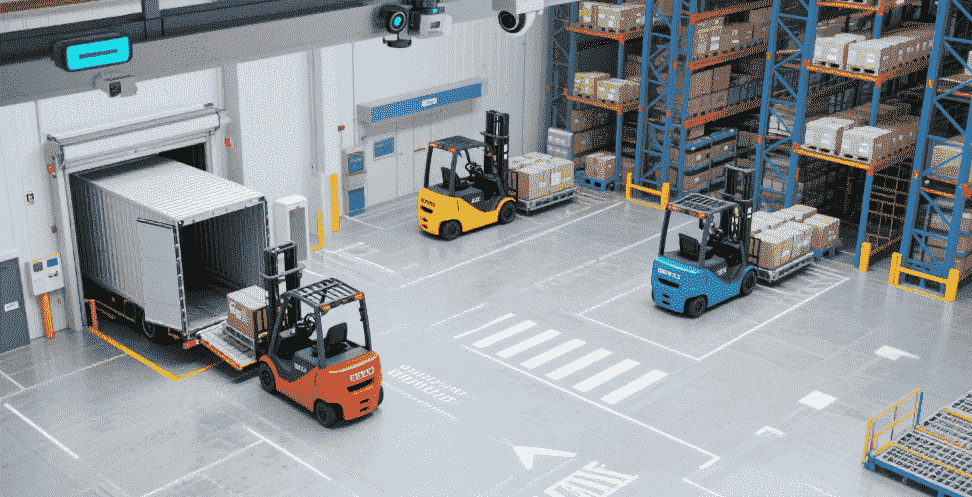
The capabilities of industrial electric forklifts directly impact warehouse efficiency, enabling faster task completion, smoother workflows, and higher productivity levels. With their ability to handle heavy loads with precision, electric forklifts optimize warehouse operations across a range of tasks.
- Precision Handling:
Industrial electric forklifts are known for their smooth operation and precision, which is essential for tasks like picking delicate products, stacking goods, or working in tight spaces. The precise handling ensures that materials are moved and placed correctly, reducing the risk of product damage and improving overall accuracy in warehouse tasks. - Enhanced Maneuverability:
The compact size and tight turning radius of industrial electric forklifts make them particularly useful in warehouses with limited space. They are able to navigate narrow aisles and tight corners with ease, ensuring efficient operations in high-density storage areas. Their small footprint also allows for more flexible racking systems, which maximizes the use of available space and allows businesses to store more inventory. - Faster Operation:
Electric forklifts are often equipped with regenerative braking systems, which improve operational speed and allow operators to work more efficiently. The quick response time and high precision of electric forklifts reduce delays and optimize productivity, particularly in fast-paced warehouses that require constant movement of goods.
4. Improved Worker Safety
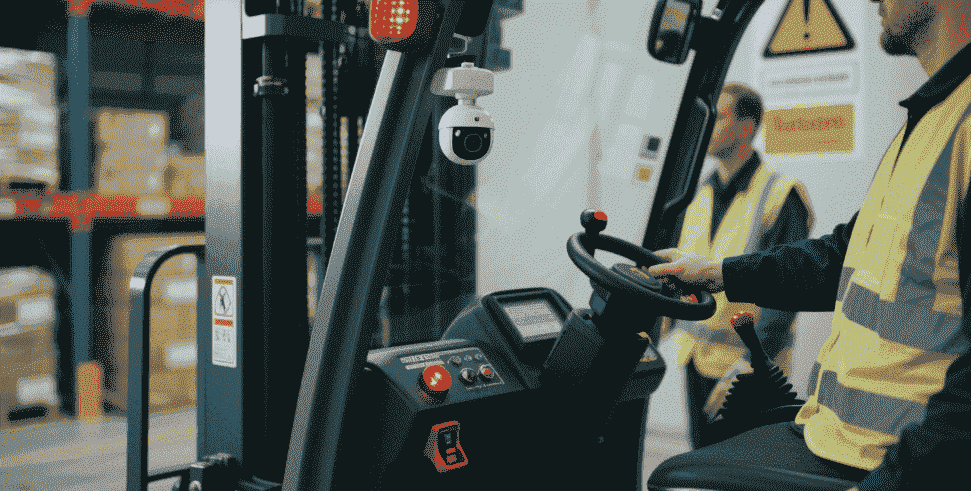
Worker safety is always a priority in warehouse settings. Industrial electric forklifts contribute to a safer working environment in several ways, from quieter operation to better ergonomics.
- Reduced Risk of Accidents:
The quiet operation of electric forklifts allows workers to hear warning signals and moving equipment, reducing the risk of accidents caused by unnoticed machinery. In addition, modern industrial electric forklifts are often equipped with safety features such as automatic braking, stability control, and advanced sensors that help prevent accidents. These systems reduce the likelihood of forklift tipping, collisions, or other workplace injuries. - Ergonomically Designed:
Many electric forklifts are designed with ergonomics in mind to reduce operator strain and fatigue. Features such as adjustable seating, optimized controls, and better visibility improve operator comfort, allowing them to work longer hours without discomfort. The reduction in vibrations, noise, and heat exposure also ensures that operators have a more comfortable working experience compared to operating traditional combustion forklifts. - Better Visibility:
Many electric forklifts come equipped with enhanced visibility features, such as clear sightlines, LED lights, and cameras, that help operators navigate the warehouse safely. The increased visibility helps prevent accidents caused by blind spots, making it easier for operators to maneuver through busy areas and around obstacles.
Key Features to Look for in Industrial Electric Forklifts
When choosing an industrial electric forklift for your warehouse, it’s essential to consider several features to ensure maximum efficiency and safety.
| Feature | Description |
|---|---|
| Battery Life and Charging Time | Look for forklifts with long battery life and quick recharge capabilities. |
| Load Capacity | Ensure the forklift can handle the maximum weight required for your tasks. |
| Maneuverability | Consider the forklift’s turning radius and its ability to navigate tight spaces. |
| Safety Features | Choose forklifts with features such as automatic braking, stability control, and ergonomic designs. |
| Maintenance | Select models that are easy to maintain with minimal downtime. |
These features directly contribute to the overall efficiency, safety, and cost-effectiveness of your warehouse operations. Investing in the right industrial electric forklift will pay off in the long run by improving productivity and minimizing downtime.
The Future of Industrial Electric Forklifts
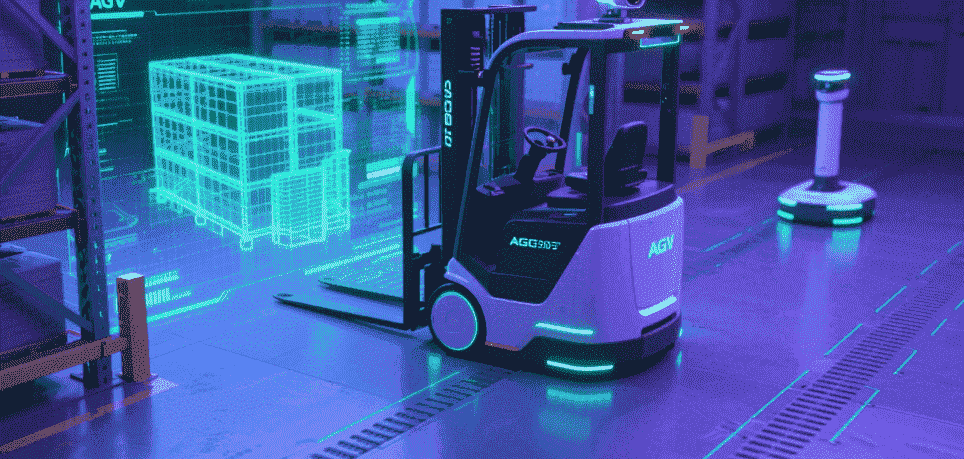
As the world continues to move toward sustainability, the demand for industrial electric forklifts will only increase. These forklifts are becoming a key part of the smart warehouses of the future.
- Automation Integration: Many warehouses are incorporating automation into their operations, and electric forklifts are an integral part of this shift. Industrial electric forklifts are increasingly being paired with automated systems to further enhance productivity and reduce labor costs.
- Increased Battery Technology: The development of advanced battery technology, such as lithium-ion batteries, is improving the performance of electric forklifts, increasing their range and reducing charging time. These innovations will make electric forklifts even more appealing to businesses.
- Government Incentives: As governments around the world implement stricter environmental regulations, many are offering incentives for businesses to switch to industrial electric forklifts. These incentives help offset the initial cost of purchasing electric forklifts, making them even more attractive to warehouse operators.
Conclusion
In conclusion, industrial electric forklifts are clearly the future of warehouse efficiency. Their numerous benefits—including cost savings, eco-friendliness, increased safety, and improved productivity—make them an essential tool for modern warehouses. As technology continues to evolve and the demand for sustainable practices increases, the role of electric forklifts will only grow. Investing in industrial electric forklifts now will not only improve your warehouse operations today but also prepare you for the future.
FAQ
Q1: Why should I switch to industrial electric forklifts instead of using diesel forklifts?
A1: Switching to industrial electric forklifts offers several benefits, including lower operating costs, zero emissions, reduced noise pollution, and improved workplace safety. They are more cost-effective in the long run and are a sustainable choice for businesses.
Q2: How long does the battery of an industrial electric forklift last?
A2: The lifespan of the battery in an industrial electric forklift depends on usage, maintenance, and the type of battery used. Typically, a well-maintained battery can last between 3 to 5 years, with some lithium-ion batteries lasting even longer.
Q3: Are industrial electric forklifts suitable for outdoor use?
A3: While industrial electric forklifts are primarily designed for indoor use, certain models are also capable of handling outdoor environments. These forklifts are often equipped with weatherproof features and more durable tires to handle rougher conditions.
Q4: What are the maintenance requirements for industrial electric forklifts?
A4: Industrial electric forklifts generally require less maintenance than diesel forklifts. Key maintenance tasks include checking and replacing batteries, inspecting tires, and ensuring proper lubrication of moving parts. Regular maintenance ensures the forklift operates at peak efficiency.
Q5: How can I choose the right industrial electric forklift for my warehouse?
A5: When selecting an industrial electric forklift, consider factors such as load capacity, battery life, maneuverability, and safety features. It’s also important to choose a model that fits the specific needs of your warehouse environment.
Thank you for reading! If you found this content valuable, let’s keep the conversation going. For more insights, industry trends, and updates from Shandong Huaying International Trade Co., Ltd., be sure to connect with us on social media:
📌 Facebook: Shandong Huaying International Trade Co., Ltd.
We look forward to sharing more knowledge and opportunities with you. Let’s continue learning, growing, and innovating—together.