Table of Contents
Introduction
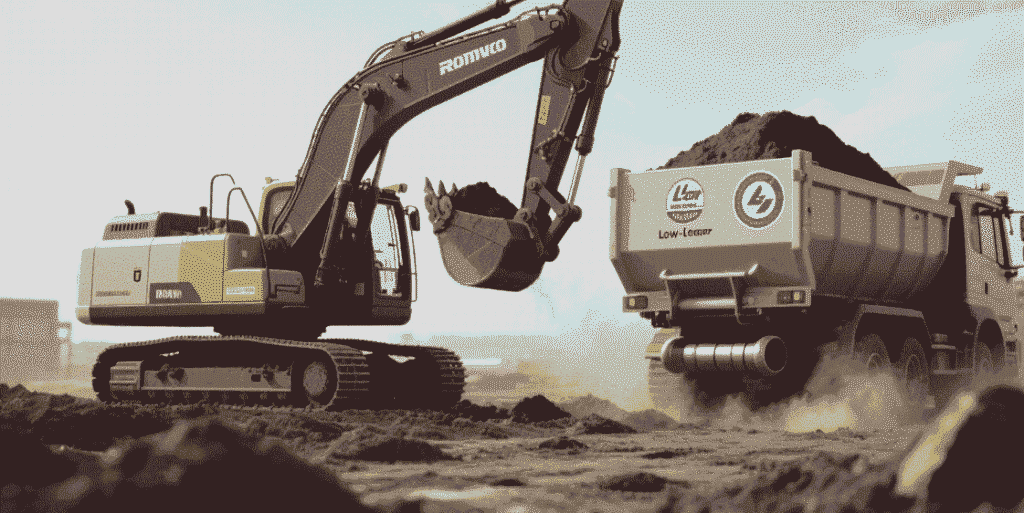
The hydraulic excavator market is undergoing significant transformations, driven by technological advancements, evolving industry needs, and sustainability efforts. As we look ahead to 2025, the designs of hydraulic excavators are expected to incorporate several key trends that will revolutionize the way these machines operate on construction sites, mining operations, and even urban developments. These innovations are not only set to improve operational efficiency but also ensure that excavators are more environmentally friendly, cost-effective, and user-centric.
In this blog, we will explore the four key trends that will shape the hydraulic excavator designs in 2025 and provide insights into how these innovations will benefit both manufacturers and operators.
1. Automation and Remote Control Systems in Hydraulic Excavators
One of the most transformative trends shaping hydraulic excavator designs for 2025 is the integration of automation and remote control systems. These technologies promise to elevate the efficiency, safety, and precision of excavators, particularly in large-scale construction and mining projects where precision and safety are paramount.
The Rise of Autonomous Excavators
Autonomous machines are rapidly gaining traction across various industries, and hydraulic excavators are at the forefront of this technological revolution. Excavators equipped with autonomous systems are expected to perform complex tasks like digging, grading, and material handling without direct human intervention. These machines will be able to work alongside human-operated machines, but their operations will be carried out autonomously based on real-time data analysis.
By incorporating artificial intelligence (AI) and machine learning, autonomous excavators will learn from their environment and adapt accordingly. This will result in continuous operational improvement and optimized performance in real-time. Operators will be able to monitor and control the excavator remotely, reducing risks associated with human error and increasing overall job site safety.
Additionally, autonomous systems in hydraulic excavators will minimize downtime by maximizing machine productivity. Tasks that previously required manual intervention or were prone to human fatigue will be automated, reducing labor costs and increasing the reliability of machinery in harsh working conditions.
Remote-Controlled Excavators for Enhanced Flexibility
Alongside fully autonomous systems, remote-controlled hydraulic excavators are gaining popularity. Remote control technologies allow operators to manage excavators from a safe distance, which is especially valuable in hazardous environments like demolition sites, toxic material handling, and deep excavation zones where safety risks are elevated.
By utilizing remote-controlled excavators, operators can maintain full control over the machine’s functions even when they are positioned far from the action. This not only keeps operators safe but also enables more precise control when maneuvering through tight spaces or difficult terrains. It gives operators the flexibility to control multiple machines from a single location, improving both efficiency and safety on complex job sites.
These remote-control systems are also being enhanced with smart feedback systems that allow operators to receive real-time data, such as bucket position, hydraulic pressure, and fuel consumption, ensuring that operations are always running at optimal levels.
2. Eco-Friendly Innovations in Hydraulic Excavators
As environmental concerns continue to rise, sustainability has become a central focus in the design of hydraulic excavators. With increasingly strict environmental regulations and the growing demand for green technologies, manufacturers are incorporating eco-friendly innovations into their machinery. This trend is expected to continue through 2025 and beyond, transforming the hydraulic excavator into a more sustainable and energy-efficient tool for construction and mining projects.
Electric and Hybrid-Powered Hydraulic Excavators
One of the most significant advancements in hydraulic excavator technology is the rise of electric and hybrid-powered excavators. These machines use energy-efficient electric motors to reduce fuel consumption and cut down on emissions. Hybrid power systems, which combine diesel engines with electric drives, are being developed to enhance fuel efficiency while maintaining high-performance capabilities.
Electric excavators, especially those used in urban construction or indoor applications, are becoming increasingly viable. These machines operate silently, producing far less noise than traditional diesel-powered models, making them ideal for projects in populated areas where noise reduction is crucial. Additionally, the elimination of diesel engines means that electric excavators produce no harmful emissions, contributing to cleaner air and a healthier working environment.
Hybrid models are gaining ground due to their ability to offer the best of both worlds. They can operate using electric power for short, energy-efficient tasks, and revert to diesel when more power is required. This flexibility makes them a highly versatile option for a wide range of applications.
Improved Fuel Efficiency and Lower Emissions
For diesel-powered hydraulic excavators, manufacturers are making great strides in improving fuel efficiency and reducing emissions. Technologies such as variable displacement pumps, energy recovery systems, and advanced engine management systems are being implemented to optimize fuel consumption. These innovations allow excavators to achieve better performance while using less fuel and generating fewer emissions, making them more environmentally friendly.
Some of the latest engine technologies also focus on achieving compliance with stringent emissions standards, reducing the overall carbon footprint of hydraulic excavators. The trend toward cleaner and more efficient machinery aligns with global sustainability goals and meets the demands of industries looking to reduce their environmental impact.
3. Enhanced Operator Comfort and Safety
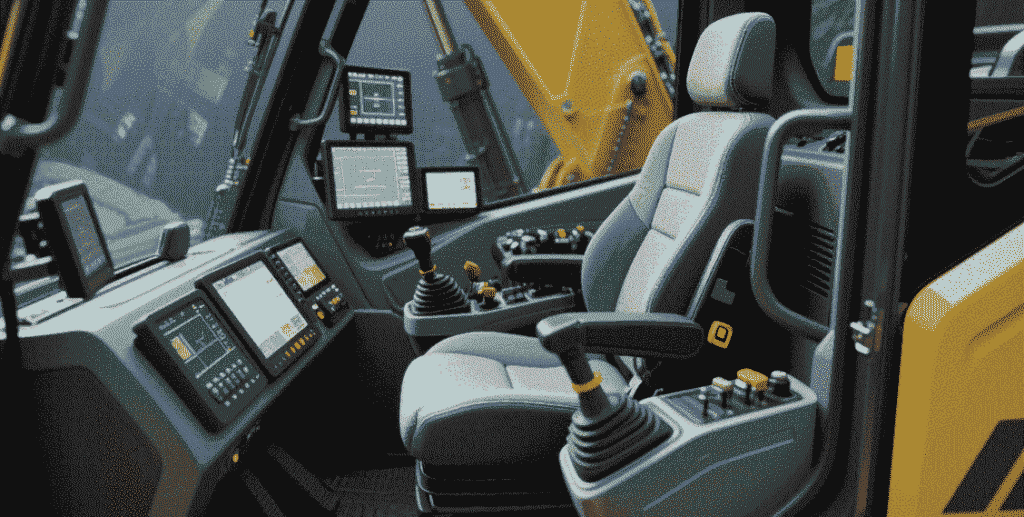
As the demand for skilled labor in the construction and mining industries continues to outpace supply, manufacturers are focusing more on improving operator comfort and safety. In 2025, hydraulic excavators will be designed with advanced features aimed at reducing operator fatigue, increasing efficiency, and ensuring maximum safety during operations.
Ergonomic Cabin Design
The design of the operator’s cabin is a key area of focus for manufacturers. Modern cabins will be equipped with adjustable seating, improved visibility, reduced vibrations, and advanced climate control systems. These ergonomic features will allow operators to work for longer hours with greater comfort and less strain. By reducing operator fatigue, hydraulic excavators will enable workers to perform their tasks more efficiently and with fewer mistakes.
In addition to comfort, enhanced visibility is a key consideration. The cabins will feature larger windows, strategically placed mirrors, and advanced camera systems, giving operators a 360-degree view of their surroundings. This not only improves safety but also ensures more precise operations in difficult environments.
Advanced Safety Features
Safety features are essential in hydraulic excavator designs, and 2025 models will incorporate several advanced technologies to protect both operators and job site personnel. Some of the key safety systems include:
- Collision Avoidance Systems: These systems use sensors and cameras to detect obstacles in the machine’s path and provide real-time warnings to operators. In some cases, the system can automatically stop the excavator to prevent a collision, ensuring site safety and preventing costly damage to equipment.
- Operator Alert Systems: Hydraulic excavators will include built-in alert systems to notify operators of unsafe conditions, such as overloads or excessive vibrations. These systems will help operators avoid operating beyond the safe limits of the machine, ensuring both the equipment’s longevity and the operator’s safety.
- Automatic Stabilization Systems: These systems will automatically adjust the hydraulic pressure based on load conditions and terrain, ensuring that the excavator remains stable and prevents tipping. This is particularly important when working on uneven ground or in tight spaces where stability is critical.
4. Advanced Digital Integration and Smart Technology

As the construction industry embraces digital transformation, hydraulic excavators are becoming more connected and smarter than ever before. In 2025, these machines will integrate IoT, GPS, and real-time data analytics to improve performance, streamline operations, and reduce costs.
IoT and Machine Monitoring
With IoT technology, hydraulic excavators will be equipped with sensors that track key components such as the engine, hydraulics, and undercarriage. These sensors will monitor the machine’s condition and send data back to a central system, where fleet managers can monitor the health of their equipment in real time.
This continuous monitoring allows for predictive maintenance, enabling operators and fleet managers to address potential issues before they lead to costly repairs or downtime. For example, if the system detects a drop in hydraulic pressure, operators will be alerted, allowing them to take action before a breakdown occurs. This reduces maintenance costs and extends the overall lifespan of the machine.
GPS and Smart Digging Technologies
Hydraulic excavators in 2025 will be equipped with advanced GPS and smart digging technologies, enabling more accurate and efficient digging and grading operations. GPS systems will allow operators to work with precision, helping to minimize material waste and improve overall job site efficiency. By providing real-time positional data, GPS systems will help ensure that the excavator’s work matches the required specifications.
Smart digging technologies will automate parts of the digging process, adjusting the bucket’s position and hydraulics to suit the material being excavated and the terrain. This feature will make it easier for operators to achieve consistent, high-quality results in less time.
Comparison of Key Features in Hydraulic Excavators (2025 Models)
| Feature | Benefit | Impact on Operations |
|---|---|---|
| Automation and Remote Control | Reduces need for manual operation, increases safety, and enhances precision. | Increased productivity and reduced human error. |
| Electric/Hybrid Power | Reduces fuel consumption and emissions. | Eco-friendly, lower operational costs, and fewer emissions. |
| Ergonomic Design | Enhances comfort and reduces operator fatigue. | Longer working hours, improved operator focus. |
| Advanced Safety Features | Prevents accidents and improves operator security. | Safer work environment, fewer workplace injuries. |
| Smart Technology and IoT | Provides real-time data for predictive maintenance and performance monitoring. | Reduces downtime, improves maintenance efficiency. |
Conclusion
The hydraulic excavator designs in 2025 will be shaped by the integration of automation, eco-friendly innovations, advanced safety features, and smart technology. These trends will not only increase the efficiency, productivity, and sustainability of hydraulic excavators but will also help address the challenges faced by the construction and mining industries.
As these machines become more intelligent, connected, and environmentally conscious, operators will benefit from safer, more comfortable working conditions while contributing to a greener future. The future of hydraulic excavators is indeed exciting, with 2025 models offering advancements that make them more powerful, efficient, and reliable than ever before.
FAQ
What are the benefits of automation in hydraulic excavators?
Automation in hydraulic excavators reduces human intervention, improves precision, and enhances safety, resulting in more efficient operations and reduced errors on job sites.
Are electric hydraulic excavators available in 2025?
Yes, electric hydraulic excavators are expected to be more prevalent in 2025, offering reduced emissions and lower operational costs, especially for urban projects.
How will operator comfort improve in 2025 hydraulic excavators?
Operator comfort will be improved with ergonomic cabin designs, including adjustable seats, climate control, and reduced vibrations, leading to less fatigue and increased productivity.
What role will smart technology play in hydraulic excavators by 2025?
Smart technology will provide real-time data, predictive maintenance, and GPS-guided precision, helping operators perform tasks more accurately and reducing downtime.
What safety features will be included in hydraulic excavators by 2025?
Hydraulic excavators in 2025 will feature advanced safety systems, including collision avoidance, automatic stabilization, and operator alert systems to prevent accidents and enhance security on job sites.
How will hydraulic excavators in 2025 be more environmentally friendly?
Hydraulic excavators in 2025 will incorporate electric and hybrid power systems, reducing fuel consumption and emissions. These machines will also feature energy recovery systems and more fuel-efficient engines to minimize their environmental impact, particularly in urban areas where noise and air quality are concerns.
Will autonomous hydraulic excavators be available for all types of construction projects?
While autonomous hydraulic excavators are expected to be increasingly common in 2025, their adoption will depend on the specific project requirements. These machines will be particularly beneficial for large-scale and high-risk projects such as mining, infrastructure, and demolition, where their ability to work safely in hazardous conditions can significantly improve efficiency.
What kind of real-time data will hydraulic excavators provide in 2025?
In 2025, hydraulic excavators will be equipped with IoT sensors that provide real-time data on engine performance, fuel consumption, hydraulic pressure, and even soil conditions. This data will be accessible to operators and fleet managers, allowing for proactive maintenance, performance optimization, and better decision-making on job sites.
How will GPS and smart technology improve the accuracy of excavation work?
GPS and smart technology will allow hydraulic excavators in 2025 to perform precise digging, grading, and positioning tasks. By using GPS-guided systems, operators can achieve higher accuracy and reduce material waste. These systems will also integrate with smart technology that adjusts the machine’s movements based on terrain and material, ensuring high precision and reducing errors.
Thank you for reading! If you found this content valuable, let’s keep the conversation going. For more insights, industry trends, and updates from Shandong Huaying International Trade Co., Ltd., be sure to connect with us on social media:
📌 Facebook: Shandong Huaying International Trade Co., Ltd.
We look forward to sharing more knowledge and opportunities with you. Let’s continue learning, growing, and innovating—together.