Welcome to My Blog!
Before we dive into the content, I’d love for you to join me on my social media platforms where I share more insights, engage with the community, and post updates. Here’s how you can connect with me:
Now, let’s get started on our journey together. I hope you find the content here insightful, engaging, and valuable.
Table of Contents
Introduction
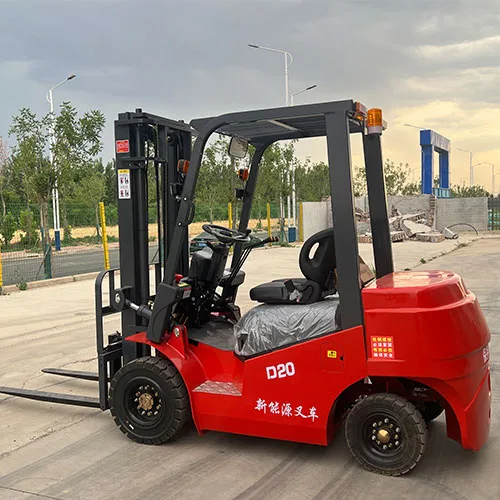
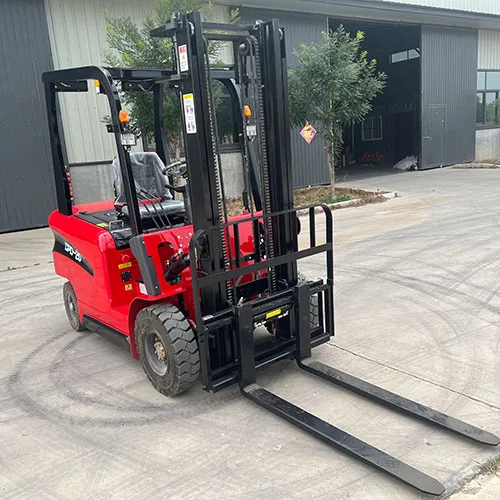
Mini forklifts are becoming increasingly popular in various industries, especially in environments where space is limited, and operations require maneuverability. These compact machines provide an excellent solution for material handling in tight spaces, such as warehouses, small factories, or retail environments. However, despite their growing popularity, there are still several myths surrounding mini forklifts that may discourage businesses from embracing them. In this article, we will debunk five of the most common misconceptions about mini forklifts, offering a clearer understanding of their capabilities and advantages.
Myth 1: These Are Too Small to Handle Heavy Loads
One of the most prevalent myths about mini forklifts is that they are not capable of handling heavy loads. Due to their compact size, some people assume that these machines lack the lifting power of standard forklifts. However, this is far from the truth. Modern mini forklifts are designed with impressive lifting capacities, often capable of handling loads comparable to their larger counterparts. While these are generally suited for lighter to medium-duty tasks, some models can handle up to 3,000 kg, making them ideal for certain industrial applications.
These use advanced hydraulic systems and sturdy construction to lift and move heavy objects efficiently. It’s important to assess the specific lifting capacity and features of each model to ensure that it meets your business needs.
Myth 2: These Are Less Durable Than Full-Sized Forklifts
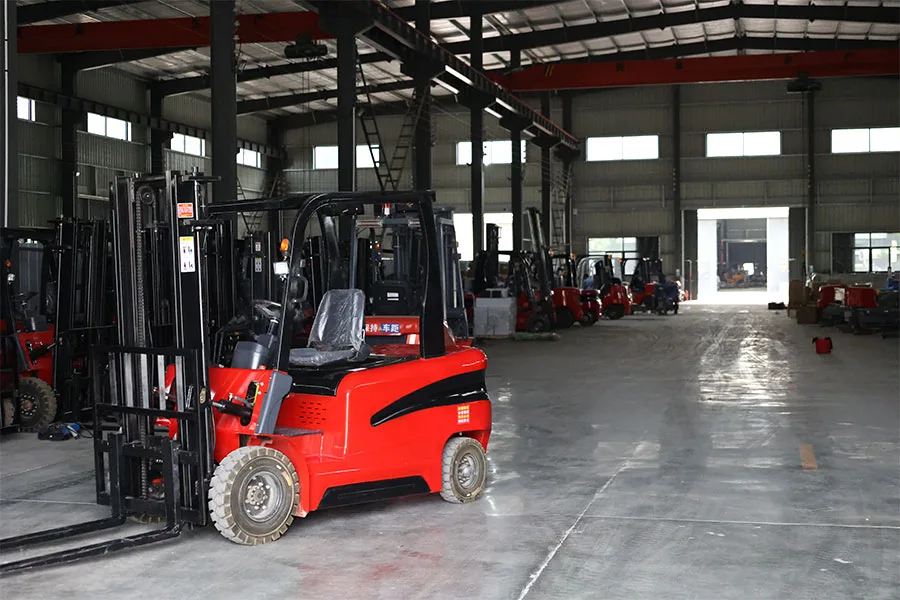
Many people believe that because these are smaller and lighter, they are less durable and have a shorter lifespan than larger machines. This is not true. These are built with high-quality materials, and manufacturers design them to be robust enough to withstand demanding work environments. They are often constructed with heavy-duty frames, reinforced mast systems, and durable tires that allow them to perform well in tough conditions.
The longevity of it depends on proper maintenance, just like any other piece of equipment. Regular servicing and care will ensure that the forklift operates efficiently for many years, making it a cost-effective solution in the long run.
Myth 3: These Are Harder to Operate Than Standard Forklifts
A common myth is that these are harder to operate than larger forklifts because they are smaller and may have different controls. While it is true that these often have different operating systems and are more compact, they are typically just as easy to operate as their larger counterparts. In fact, many are designed with user-friendly controls and enhanced ergonomics to provide a smooth driving experience.
Operators usually need only basic training to operate mini forklifts, and their compact design makes them easier to maneuver in tight spaces. Additionally, mini forklifts are often equipped with advanced safety features, such as automatic load leveling, stability control, and ergonomic handles, which help ensure safe and efficient operation.
Myth 4: These Are Only Suitable for Small Operations
Another myth is that mini forklifts are only effective in small operations and cannot handle the demands of larger businesses. While it’s true that mini forklifts are particularly beneficial in smaller spaces, they can also be highly effective in larger operations that require flexibility and versatility. These machines are often used in warehouses with narrow aisles, distribution centers with multiple floors, or retail stores with limited space for bulky equipment.
The beauty of mini forklifts lies in their ability to work efficiently in a wide variety of environments. They provide significant operational flexibility, which is an asset in large operations where space efficiency and maneuverability are critical.
Myth 5: These Are Expensive and Not Worth the Investment
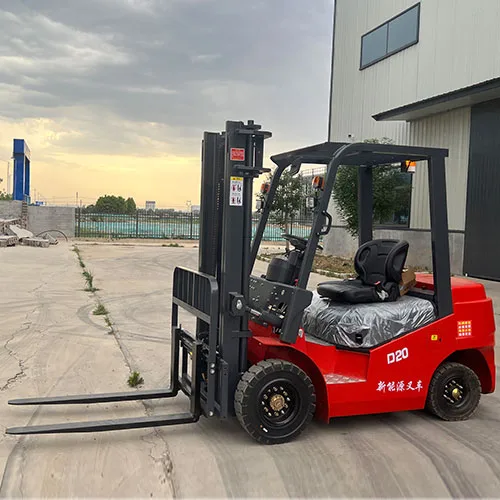
Many businesses hesitate to invest in mini forklifts due to the misconception that they are expensive and do not offer a good return on investment. While it is true that mini forklifts may have a higher upfront cost compared to manual material handling equipment, they can significantly increase productivity and reduce labor costs over time. Moreover, mini forklifts are often more fuel-efficient and require less maintenance than larger machines, contributing to lower operating costs.
Additionally, the compact size of these allows them to work in places where other forklifts cannot fit, enabling businesses to make better use of available space. The versatility and efficiency offered by mini forklifts can lead to higher overall returns on investment in the long run.
Table: Key Features of these
| Feature | Description |
|---|---|
| Compact Size | Mini forklifts are designed to fit into narrow spaces, offering great maneuverability in tight environments. |
| Lifting Capacity | Depending on the model, mini forklifts can handle loads ranging from 500 kg to 3,000 kg, making them suitable for various tasks. |
| Fuel Efficiency | Mini forklifts typically consume less fuel or energy compared to larger forklifts, reducing operational costs. |
| Durability | Built with strong materials and advanced technology, mini forklifts are designed for longevity and durability, even in challenging environments. |
| Maneuverability | Due to their smaller size and tight turning radius, mini forklifts can easily navigate narrow aisles, crowded spaces, and multi-level facilities. |
Conclusion
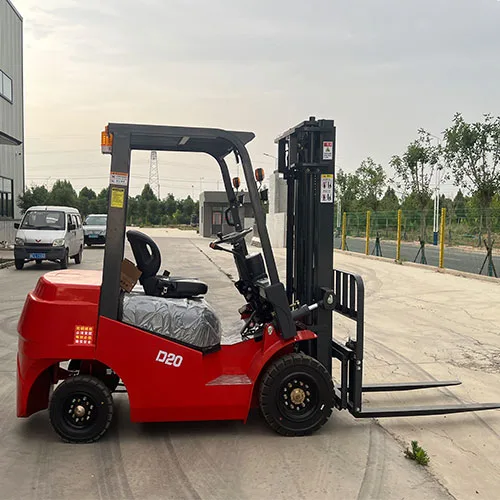
Mini forklifts are a versatile and efficient solution for a wide range of material handling needs. By debunking the myths surrounding their capacity, durability, and usability, we can see that mini forklifts offer valuable advantages, especially in environments where space is limited. Whether you’re working in a small warehouse or a large multi-floor facility, mini forklifts can enhance operational efficiency while reducing costs. As with any equipment purchase, it is essential to assess your specific needs and choose a mini forklift that aligns with your business’s requirements.
FAQ
What is the average lifting capacity of it?
Mini forklifts typically have a lifting capacity ranging from 500 kg to 3,000 kg, depending on the model and intended use.
Are these easy to operate?
Yes, mini forklifts are designed to be user-friendly and easy to operate. They often feature intuitive controls and ergonomic design.
Can these be used in larger operations?
Absolutely! Mini forklifts are ideal for operations that require flexibility and maneuverability, and they can be effectively used in both small and large facilities.
How long do these typically last?
The lifespan of a mini forklift depends on usage and maintenance. With proper care, they can last for many years.
Are these cost-effective?
Yes, mini forklifts are cost-effective due to their fuel efficiency, low maintenance costs, and ability to increase operational productivity.