
Welcome to My Blog!
Before we dive into the content, I’d love for you to join me on my social media platforms where I share more insights, engage with the community, and post updates. Here’s how you can connect with me:
Now, let’s get started on our journey together. I hope you find the content here insightful, engaging, and valuable.
Table of Contents
Introduction
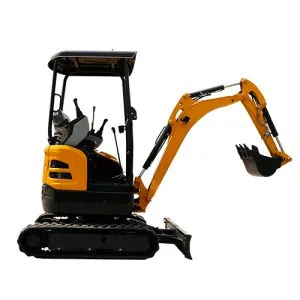
A very small excavator, also known as a micro or mini excavator, has become an indispensable tool for various construction projects. These compact machines have revolutionized how we approach tight, limited spaces on construction sites. In this blog, we will explore five compelling reasons to choose a very small excavator for your next project. Whether you’re digging trenches, landscaping, or working on a small-scale demolition, these machines offer remarkable versatility and efficiency that larger counterparts simply can’t match.
Why Opt for a Very Small Excavator?
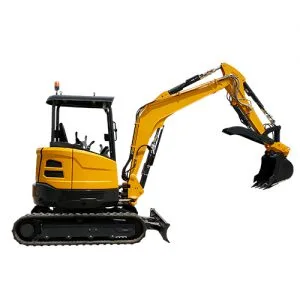
Small excavators are perfect for tight job sites, offering a range of advantages over traditional, larger machinery. Below, we outline some of the major reasons to consider a very small excavator:
Compact Size and Maneuverability
One of the most obvious reasons to choose a very small excavator is its compact size. These machines are designed to fit into spaces where larger excavators simply can’t go. Their small footprint allows operators to maneuver around obstacles, making them ideal for jobs that require precision in confined spaces.
Moreover, their ability to work efficiently in areas with limited access makes them particularly useful for residential or urban projects. Whether you need to dig in a small backyard or work in a narrow alleyway, a very small excavator can handle the job with ease.
Versatility in Various Applications
Very small excavators can be equipped with a variety of attachments, making them adaptable to a wide range of tasks. From trenching and digging to lifting and material handling, these machines are as versatile as they come. The ease with which attachments can be swapped out enhances the excavator’s utility, allowing it to perform multiple functions on a single project.
Small excavators are used in landscaping, utility work, construction, and even mining applications. The ability to tailor the machine to specific tasks improves overall productivity and job site efficiency.
Lower Operational Costs
Another compelling reason to choose a very small excavator is the lower operational costs. Smaller machines are generally more fuel-efficient compared to their larger counterparts. With less horsepower and weight, they consume less fuel, translating into lower fuel expenses over time. Additionally, very small excavators are easier to maintain due to their simplified design, which reduces overall repair costs.
In addition to fuel savings, the compact nature of these machines means they require less manpower to operate, which can further reduce labor costs. For businesses on a budget or those working on smaller projects, a very small excavator is an economically sound choice.
Easy Transportability
Because of their smaller size and lighter weight, very small excavators are easier to transport to and from job sites. Unlike large excavators, which often require special permits and transportation arrangements, a very small excavator can typically be towed behind a standard vehicle or carried on a flatbed trailer.
The ease of transport helps save both time and money, especially for smaller projects that require the equipment to be moved frequently between different job sites.
Environmentally Friendly
In today’s world, environmental concerns are more important than ever. Very small excavators are designed to be more eco-friendly than their larger counterparts. They generally produce fewer emissions, making them suitable for projects in areas with strict environmental regulations.
In addition, their fuel-efficient engines contribute to a reduction in the carbon footprint of a construction project. By opting for a very small excavator, businesses can make a positive contribution to sustainability efforts while still getting the job done effectively.
Key Features of it
In this section, we will take a closer look at some of the key features that make very small excavators stand out:
| Feature | Description |
|---|---|
| Weight | Generally weighs between 1-5 tons, making it highly maneuverable and easy to transport. |
| Engine Power | Offers efficient fuel consumption while providing adequate power for small-scale tasks. |
| Hydraulic System | Typically equipped with advanced hydraulic systems for smooth and precise operation. |
| Track Type | Can come with rubber tracks or steel tracks, making them suitable for various ground conditions. |
| Attachment Options | Offers a wide range of attachments including buckets, augers, and grapples, enhancing versatility. |
This table highlights the essential features that contribute to the efficiency and effectiveness of a very small excavator in various construction tasks. The balance of power, maneuverability, and adaptability makes these machines ideal for small-scale operations.
How to Choose the Right for Your Needs
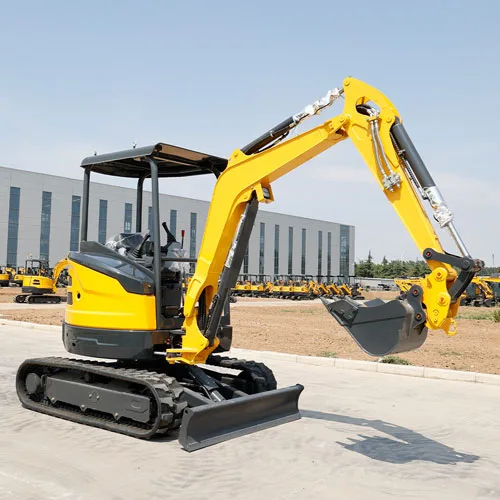
When selecting a very small excavator, it’s essential to consider several factors to ensure you choose the best option for your specific needs. Here are some key considerations:
- Project Type: Think about the tasks you’ll be performing. If you need to lift heavy materials, look for a machine with a stronger lifting capacity.
- Terrain: Consider the type of ground the machine will be working on. Rubber tracks are ideal for softer surfaces, while steel tracks are better for rougher, rocky terrain.
- Attachments: Ensure the excavator is compatible with the attachments you need for your project, whether it’s a bucket, auger, or hydraulic breaker.
Conclusion
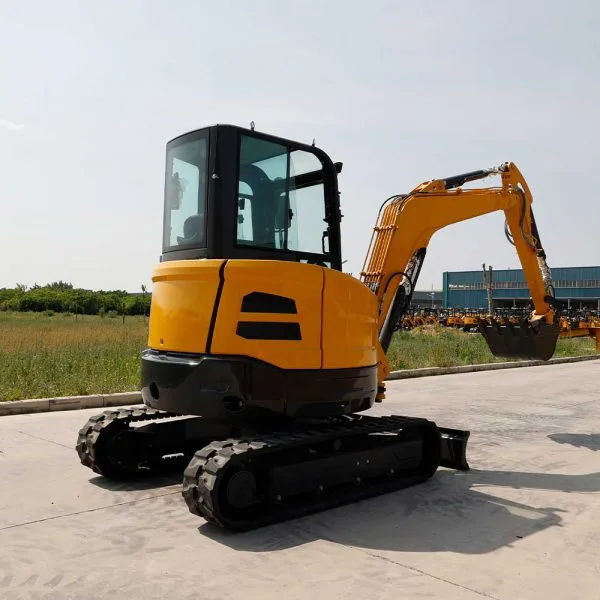
A very small excavator is a valuable asset for any construction project that requires precision, flexibility, and cost-efficiency. Whether you’re working in tight spaces, handling small-scale tasks, or need an environmentally friendly option, these machines deliver outstanding performance. With lower operational costs, excellent maneuverability, and the ability to use various attachments, a very small excavator can help you complete projects on time and within budget.
FAQ
What is the weight range?
Very small excavators typically weigh between 1 to 5 tons, depending on the model and its specifications.
Are these suitable for all types of construction projects?
While very small excavators are perfect for smaller, tighter spaces, they may not be suitable for large-scale excavation or projects that require heavy lifting.
Can I use attachments with it?
Yes, very small excavators are highly versatile and can accommodate a wide range of attachments, such as buckets, augers, and grapples.
How fuel-efficient are very small excavators?
Very small excavators are designed to be more fuel-efficient than larger machines, making them an economical choice for small-scale projects.
Is it easy to transport a very small excavator?
Yes, one of the advantages of very small excavators is their portability. They are light enough to be towed behind a vehicle or carried on a flatbed trailer.