Welcome to My Blog!
Before we dive into the content, I’d love for you to join me on my social media platforms where I share more insights, engage with the community, and post updates. Here’s how you can connect with me:
Now, let’s get started on our journey together. I hope you find the content here insightful, engaging, and valuable.
Table of Contents
Introduction
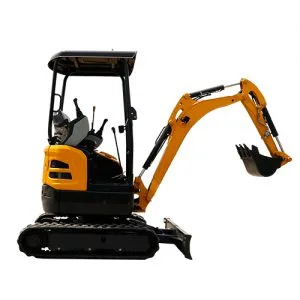
Micro excavators are an indispensable tool for small-scale construction and landscaping projects. These machines offer a versatile solution for navigating tight spaces and performing precise digging tasks. However, despite their benefits, many operators still make costly mistakes that can lead to machine damage, safety issues, and inefficient performance. In this blog, we’ll walk you through six common mistakes you should avoid when using micro excavators.
Mistake 1: Ignoring Weight Limits and Overloading the Machine
Micro excavators are designed to handle specific weight loads, which help ensure optimal performance. Exceeding the maximum load capacity can put undue stress on the hydraulic system and cause mechanical failures.
Key Points:
- Weight distribution: Ensure that the load is evenly distributed to prevent imbalance.
- Manufacturer’s load specifications: Always adhere to the weight capacity recommended by the manufacturer.
- Long-term impact: Overloading can reduce the lifespan of the excavator.
Mistake 2: Poor Ground Preparation and Stability
Before starting any excavation task, it’s essential to assess the ground’s condition. Neglecting to prepare the ground or working on unstable surfaces can increase the risk of tipping over or damaging the machine.
Key Points:
- Check for soft or uneven terrain: Always test the ground to ensure it can support the weight of the excavator.
- Use proper stabilizers: Deploy stabilizers to enhance the machine’s stability, especially on uneven ground.
Mistake 3: Improper Use of Attachments
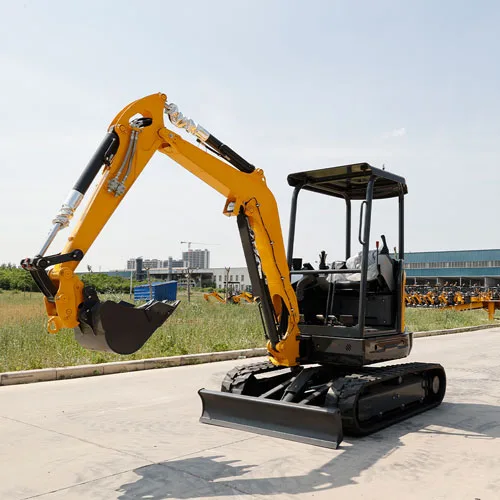
Micro excavators are versatile machines that can be equipped with various attachments. However, not all attachments are suitable for every task, and using the wrong one can lead to mechanical failure.
Key Points:
- Choosing the right attachment: Match the attachment to the task at hand to avoid unnecessary wear and tear.
- Regular inspections: Frequently check the attachments for wear and damage.
Mistake 4: Neglecting Regular Maintenance
Regular maintenance is essential to keep micro excavators running smoothly. Failing to adhere to the maintenance schedule can lead to breakdowns and costly repairs, not to mention safety risks.
Key Points:
- Daily checks: Inspect the machine for signs of damage before use.
- Fluid levels and filters: Keep track of oil and coolant levels to ensure smooth operation.
- Scheduled servicing: Follow the manufacturer’s recommendations for periodic servicing.
Mistake 5: Not Using Proper Operating Techniques
Incorrect operating techniques can result in a range of issues, from damaging the machine to creating safety hazards. It’s important to familiarize yourself with the operating manual and best practices.
Key Points:
- Avoid jerky movements: Operate the excavator smoothly to avoid unnecessary stress on the hydraulic system.
- Proper excavation technique: Use controlled digging and lifting motions to minimize strain on the machine.
Mistake 6: Failing to Follow Safety Guidelines
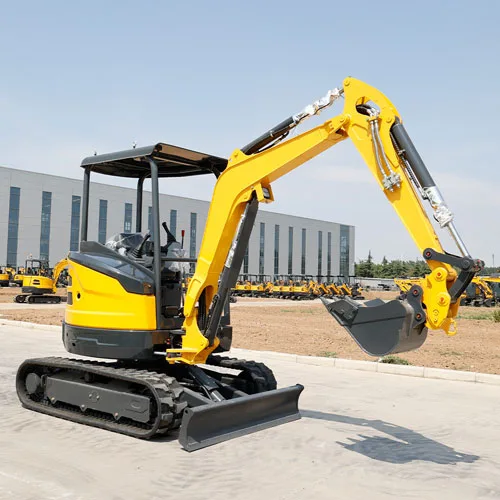
Safety should always be a priority when operating micro excavators. Many accidents occur due to a lack of attention to safety protocols, which could easily be avoided with proper training and precautions.
Key Points:
- Wear protective gear: Always use the recommended safety equipment such as helmets and gloves.
- Follow local regulations: Ensure you are complying with safety standards and regulations specific to your region.
Table: Common Micro Excavator Mistakes and Their Solutions
| Mistake | Solution | Impact of Mistake | Preventive Measure |
|---|---|---|---|
| Ignoring Weight Limits | Follow weight capacity guidelines | Mechanical failure, reduced lifespan | Always check the machine’s load limit |
| Poor Ground Preparation | Ensure ground stability and use stabilizers | Risk of tipping, damage to excavator | Pre-check the ground conditions |
| Improper Attachment Use | Match attachments with tasks | Excessive wear, damage to attachments | Use the right attachment for each job |
| Neglecting Regular Maintenance | Follow a maintenance schedule and inspections | Performance degradation, safety risks | Schedule regular maintenance |
| Incorrect Operating Techniques | Operate with controlled movements | Hydraulic failure, machine strain | Learn the correct operation techniques |
| Failing to Follow Safety Guidelines | Always wear safety gear and adhere to safety rules | Increased risk of accidents and injuries | Stay up-to-date with safety standards |
Conclusion
Micro excavators can be an excellent asset for your construction and landscaping projects, but only if used correctly. By avoiding these common mistakes, you’ll ensure that your micro excavator remains in optimal condition, operates efficiently, and serves you for many years. Always prioritize safety, maintenance, and proper operational techniques to make the most of your investment.
FAQ
Q1: How do I know if I’m overloading my micro excavator?
A1: Check the operator’s manual for the recommended weight capacity. Avoid exceeding this weight, and always balance the load evenly to prevent strain on the excavator.
Q2: What should I do if my micro excavator tips over?
A2: Immediately stop the machine and assess the situation. Ensure the machine is on a stable surface, and if necessary, call for professional assistance.
Q3: How often should I perform maintenance on my micro excavator?
A3: Regular checks should be performed daily, and more comprehensive maintenance should follow the manufacturer’s guidelines, which typically recommend servicing every 200-500 hours of use.
Q4: Can I use any attachment with my micro excavator?
A4: No, attachments should be selected based on the task and the excavator’s compatibility. Always consult the operator’s manual for recommended attachments.
Q5: What safety gear should I wear when operating a micro excavator?
A5: At a minimum, wear a helmet, safety boots, gloves, and high-visibility clothing to ensure your safety while operating the machine.