Table of Contents
Introduction
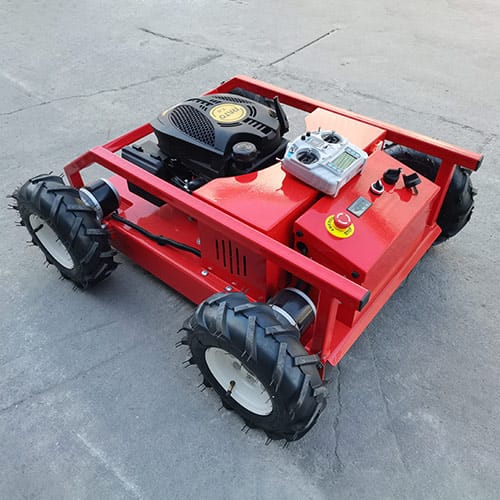
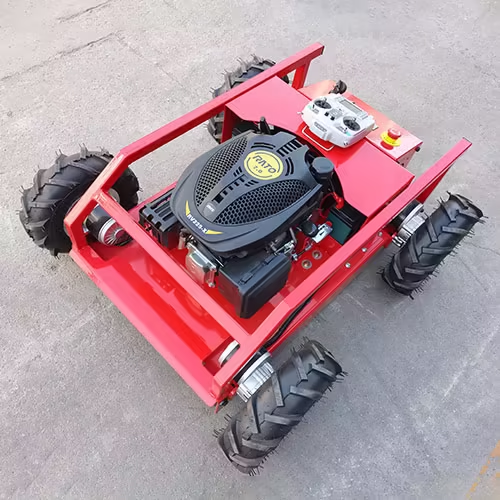
In recent years, the way homeowners maintain their lawns has undergone a remarkable transformation. The introduction of small remote control lawn mower technology has made it easier than ever to keep your yard perfectly trimmed without spending hours pushing a traditional mower. These compact devices are designed to simplify lawn care, making them ideal for small to medium-sized gardens, apartment yards, and even complex landscapes with hard-to-reach corners.
A small remote control lawn mower offers the perfect combination of convenience, efficiency, and technological innovation. Unlike manual lawn mowers, these devices can be operated remotely, reducing the need for physical effort while providing a precise mowing experience. In this article, we’ll explore the seven essential features that define modern small remote control lawn mowers, helping you make an informed choice for your outdoor space.
1. Compact and Lightweight Design
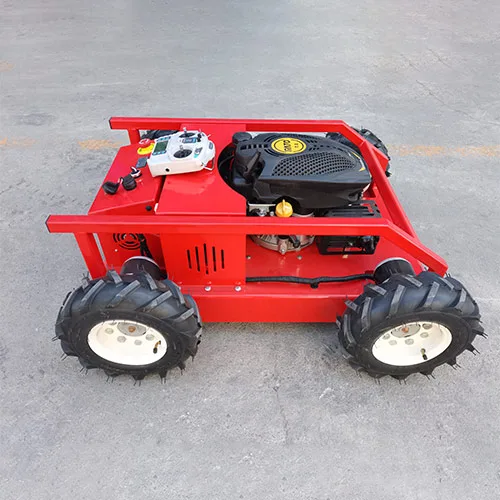
One of the primary advantages of a small remote control lawn mower is its compact size. These mowers are specifically designed for easy maneuverability, allowing them to access tight spots that traditional mowers cannot. The lightweight design also makes them easy to transport and store, which is especially beneficial for homeowners with limited storage space.
A compact design does not compromise performance. Modern small remote control lawn mowers are equipped with efficient cutting blades and adjustable height settings, ensuring a clean and uniform lawn cut. Additionally, their smaller footprint helps reduce soil compaction, preserving the health of your grass and garden.
2. Advanced Remote Control Functionality
Remote control operation is the defining feature of these mowers. Using a wireless controller, homeowners can guide the mower across their lawns without the need for direct physical interaction. Many models now offer smartphone integration, allowing users to start, stop, and monitor mowing progress from their mobile devices.
Some high-end models also include programmable schedules, so the mower can operate autonomously at set times. This means that you can maintain your lawn even when you are not at home, saving time and effort. Advanced navigation systems ensure that the mower covers all areas of the lawn efficiently, avoiding obstacles and preventing missed patches.
3. Efficient Power and Battery Life
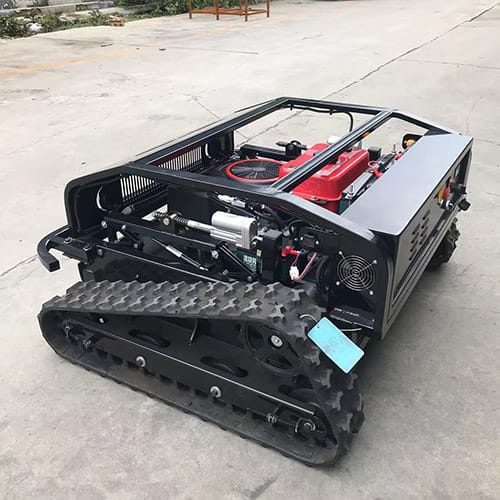
Power efficiency is a crucial factor when selecting a small remote control lawn mower. Modern models typically use rechargeable lithium-ion batteries that provide long-lasting performance while being environmentally friendly. These batteries offer enough energy to mow lawns for 60 to 120 minutes per charge, depending on the size of the lawn and the cutting conditions.
Energy-efficient motors are another key feature. They deliver powerful cutting performance while minimizing electricity consumption, making the mower both cost-effective and eco-friendly. Quick-charging options are also available, ensuring minimal downtime between mowing sessions.
4. Safety Features for Peace of Mind
Safety is a top concern for any lawn care device, and small remote control lawn mowers are designed with multiple safety mechanisms. Most models include automatic shutoff sensors that stop the blades if the mower is lifted or encounters an obstruction. Some even have anti-collision technology that prevents the mower from bumping into walls, garden furniture, or pets.
Child safety locks and emergency stop buttons further enhance user protection. These features make it possible for households with children and pets to operate the mower with confidence, knowing that the risk of accidents is minimized.
5. Smart Navigation and Terrain Adaptability
Modern small remote control lawn mowers are equipped with smart navigation systems, such as GPS or boundary wire sensors, that allow them to map and navigate your lawn efficiently. This ensures consistent coverage without overlapping paths or missing spots.
Terrain adaptability is another crucial aspect. Many mowers can handle slopes, uneven surfaces, and various grass types without losing performance. Some models even include adjustable cutting heights and mulching functions, which help maintain healthy soil while keeping your lawn looking neat.
Comparison Table: Key Features of Popular Small Remote Control Lawn Mowers
| Feature | Model A | Model B | Model C |
|---|---|---|---|
| Battery Life | 90 minutes | 120 minutes | 75 minutes |
| Remote Control Type | Wireless Controller | Smartphone App | Wireless Controller |
| Cutting Width | 18 inches | 20 inches | 16 inches |
| Terrain Adaptability | Flat to moderate slopes | Flat to steep slopes | Flat surfaces |
| Safety Features | Auto shutoff, child lock | Anti-collision, emergency stop | Auto shutoff |
| Weight | 25 lbs | 28 lbs | 22 lbs |
This table highlights the diversity of features available in modern small remote control lawn mowers, helping consumers choose a model that best fits their needs.
6. Low Maintenance and Easy Cleaning
Small remote control lawn mowers are designed to reduce the time and effort spent on maintenance. Most models feature removable cutting blades, washable decks, and minimal moving parts, making cleaning quick and hassle-free. Routine maintenance typically includes checking blade sharpness, battery health, and ensuring sensors are free from debris.
The low-maintenance nature of these mowers allows homeowners to enjoy a consistently well-manicured lawn without dedicating hours to upkeep. This feature is particularly appealing for busy individuals or those with limited experience in lawn care.
7. Eco-Friendly and Cost-Effective Operation
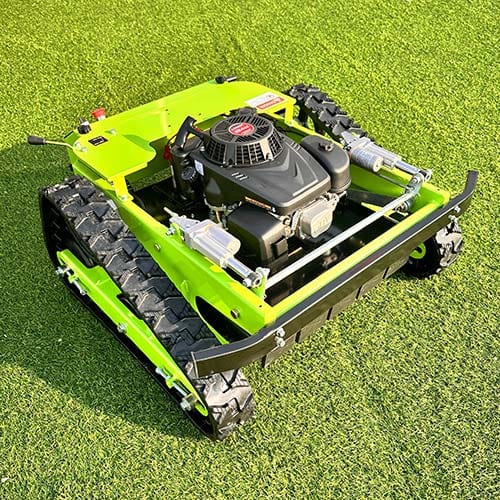
Compared to gas-powered mowers, small remote control lawn mowers offer a significant environmental advantage. They produce zero emissions during operation, reducing your carbon footprint and contributing to a cleaner environment. Additionally, the use of energy-efficient batteries lowers electricity costs, making these devices an economically smart choice for long-term lawn care.
Some models also include mulching capabilities, which recycle grass clippings back into the soil, enhancing soil fertility naturally and reducing the need for chemical fertilizers. This combination of environmental and financial benefits makes a small remote control lawn mower a sustainable investment.
Conclusion
The evolution of lawn care technology has made it possible to maintain a beautiful yard with minimal effort. Small remote control lawn mowers represent the perfect blend of innovation, convenience, and sustainability. By investing in a model with advanced features such as remote control operation, smart navigation, and eco-friendly power systems, homeowners can achieve a pristine lawn without the physical strain associated with traditional mowing.
As technology continues to advance, future small remote control lawn mowers are likely to become even smarter, more efficient, and increasingly capable of adapting to diverse garden environments. For anyone seeking a modern, hassle-free solution to lawn maintenance, these devices are an excellent choice.
FAQ
Q1: How much does a small remote control lawn mower cost?
Prices vary depending on features and brand, typically ranging from $300 to $1000. Models with advanced navigation, smartphone integration, and long battery life tend to be more expensive.
Q2: Can a small remote control lawn mower handle uneven terrain?
Yes, most modern models are designed to handle slight slopes and uneven surfaces. However, very steep hills or extremely rugged terrain may require specialized models.
Q3: How long does it take to charge the battery?
Battery charging times generally range from 1 to 3 hours. Quick-charge options are available on some premium models.
Q4: Is it safe to use around pets and children?
Yes, most small remote control lawn mowers include safety features such as auto shutoff, child locks, and anti-collision sensors, making them safe for households with children and pets.
Q5: Do these mowers require professional installation?
Generally, no. Most models are user-friendly and can be set up at home with minimal effort. Some may require boundary wire installation if they do not use GPS navigation.