Welcome to My Blog!
Before we dive into the content, I’d love for you to join me on my social media platforms where I share more insights, engage with the community, and post updates. Here’s how you can connect with me:
Facebook:https://www.facebook.com/people/Shandong-Huaying-International-Trade-CoLtd/61569380364327/
Now, let’s get started on our journey together. I hope you find the content here insightful, engaging, and valuable.
Table of Contents
Introduction
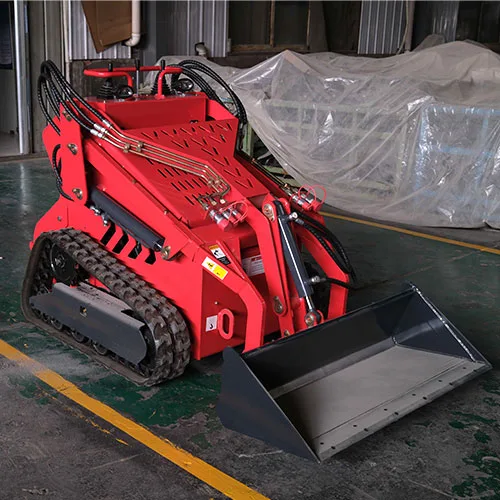
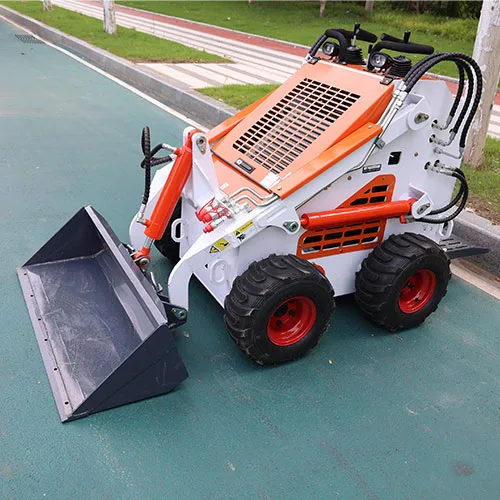
A skid steer loader, often referred to as a skid steer, is a versatile and compact piece of heavy equipment used in a variety of industries. Its primary function is to lift and move materials, but its adaptability extends far beyond that. With a wide range of attachments, a skid steer loader can perform tasks such as digging, grading, excavating, demolition, and even snow removal. Its compact size and maneuverability make it ideal for working in tight spaces, making it a valuable asset on construction sites, farms, and landscaping projects.
Understanding the Mechanics of a Skid Steer Loader
A skid steer loader operates on a unique principle: skid steering. Unlike traditional vehicles with a steering wheel, a skid steer loader is controlled by two sets of wheels or tracks, one on each side of the machine. By varying the speed and direction of these wheels or tracks, the operator can maneuver the skid steer loader in tight circles, hence the term “skid steer.” This design allows for exceptional maneuverability, making it possible to operate in confined areas where larger equipment would struggle.
Types of Skid Steer Loaders: Wheeled vs. Tracked
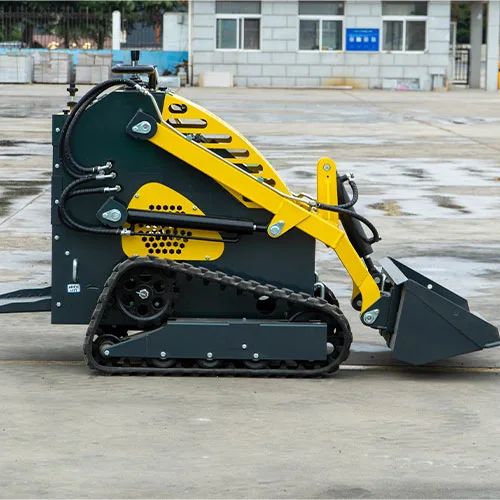
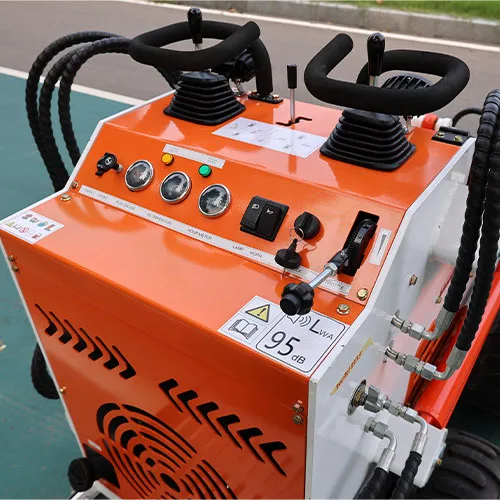
Skid steer loaders come in two primary configurations: wheeled and tracked. Wheeled skid steer loaders are the more traditional type, offering excellent maneuverability and speed on paved or relatively smooth surfaces. They are ideal for applications where mobility and efficiency are paramount. Tracked skid steer loaders, on the other hand, feature tracks instead of wheels. This configuration provides superior traction and stability, making them well-suited for rough terrain, muddy conditions, and applications requiring maximum pushing power.
Key Features and Specifications of a Skid Steer Loader
When considering a skid steer loader, several key features and specifications come into play. These include:
- Rated Operating Capacity (ROC): This indicates the maximum weight the skid steer loader can safely lift and carry.
- Lift Height: This refers to the maximum height the loader arms can reach, determining the machine’s ability to load materials into trucks or containers.
- Engine Power: This measures the engine’s horsepower, influencing the machine’s overall performance and ability to handle demanding tasks.
- Hydraulic Flow: This indicates the hydraulic system’s power, affecting the performance of attachments such as buckets, grapples, and augers.
Common Attachments for a Skid Steer Loader
The true versatility of a skid steer loader lies in its ability to accept a wide range of attachments. These attachments transform the machine into a multi-functional tool carrier, enabling it to perform a variety of tasks. Some common attachments include:
- Buckets: Used for scooping and moving materials such as dirt, gravel, and debris.
- Grapples: Designed for handling bulky or irregular-shaped objects, such as logs or construction debris.
- Augers: Used for drilling holes in the ground for fence posts, footings, or other applications.
- Tillers: Used for cultivating soil in landscaping or agricultural settings.
- Snow Blowers: Used for clearing snow from driveways, sidewalks, and parking lots.
Applications of a Skid Steer Loader Across Industries
A skid steer loader finds applications in a diverse range of industries, including:
- Construction: Used for tasks such as site preparation, material handling, and debris removal.
- Landscaping: Used for grading, leveling, and moving materials such as mulch, soil, and plants.
- Agriculture: Used for tasks such as feeding livestock, cleaning stalls, and moving hay bales.
- Snow Removal: Used for clearing snow from roads, parking lots, and other areas.
Choosing the Right Skid Steer Loader for Your Needs
Selecting the right skid steer loader depends on several factors, including the specific tasks you intend to perform, the terrain you will be working on, and your budget. Consider the following table to help you make an informed decision:
| Feature | Consideration |
|---|---|
| Size | Compact for tight spaces, larger for heavy-duty applications |
| Lift Capacity | Match the ROC to the weight of the materials you will be handling |
| Lift Height | Ensure adequate lift height for loading into trucks or containers |
| Engine Power | Choose sufficient horsepower for demanding tasks and attachment operation |
| Hydraulic Flow | Match hydraulic flow to the requirements of the attachments you will be using |
| Wheeled vs. Tracked | Wheeled for smooth surfaces, tracked for rough terrain and maximum traction |
| Attachments | Select attachments based on the specific tasks you need to perform |
| Budget | Balance your needs with your budget, considering both purchase and operating costs |
Operating and Maintaining a Skid Steer Loader Safely
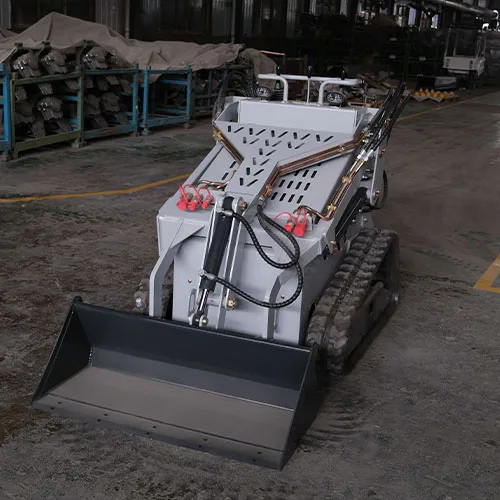
Operating a skid steer loader requires proper training and adherence to safety guidelines. Always wear appropriate personal protective equipment (PPE) and ensure the machine is in good working condition before operation. Regular maintenance, including fluid checks, lubrication, and inspection of components, is crucial for ensuring the skid steer loader’s longevity and safe operation.
Conclusion
A skid steer loader is a true workhorse, offering unparalleled versatility and maneuverability in a compact package. Its ability to accept a wide range of attachments makes it a valuable asset across various industries, from construction and landscaping to agriculture and snow removal. By understanding the mechanics, features, and applications of a skid steer loader, you can harness its power to enhance productivity and efficiency in your operations.
FAQ
Q: What is the difference between a skid steer loader and a compact track loader?
A: While similar in function, the key difference lies in their undercarriage. A skid steer loader has wheels, while a compact track loader has tracks. Tracks offer superior traction and stability on rough terrain, while wheels provide better maneuverability and speed on smooth surfaces.
Q: How much does a skid steer loader cost?
A: The cost of a skid steer loader varies depending on its size, features, and condition. New skid steer loaders can range from tens of thousands to over a hundred thousand dollars, while used models may be more affordable.
Q: What kind of maintenance does a skid steer loader require?
A: Regular maintenance is essential for keeping a skid steer loader in good working condition. This includes fluid checks, lubrication, filter changes, and inspection of components such as tires, tracks, and hydraulic systems.
Q: How do I choose the right attachments for my skid steer loader?
A: The choice of attachments depends on the specific tasks you need to perform. Consider the materials you will be handling, the terrain you will be working on, and the capabilities of your skid steer loader when selecting attachments.