Welcome to My Blog!
Before we dive into the content, I’d love for you to join me on my social media platforms where I share more insights, engage with the community, and post updates. Here’s how you can connect with me:
Facebook:https://www.facebook.com/people/Shandong-Huaying-International-Trade-CoLtd/61569380364327/
Now, let’s get started on our journey together. I hope you find the content here insightful, engaging, and valuable.
Table of Contents
Introduction


When it comes to construction, landscaping, or any project requiring heavy lifting and digging, investing in the best small excavators can make a significant difference. These versatile machines are compact, efficient, and perfect for navigating tight spaces. However, purchasing the right one requires careful consideration. Many buyers fall into common traps that can lead to dissatisfaction, unnecessary expenses, or even project delays. In this blog, we’ll explore five critical mistakes to avoid when buying the best small excavators and provide actionable tips to help you make an informed decision.
Mistake 1: Ignoring Your Project Requirements
One of the biggest mistakes buyers make is not fully understanding their project needs before purchasing a small excavator. The best small excavators vary in size, power, and features, and choosing the wrong one can lead to inefficiency or incompatibility with your tasks. Whether you’re working on a construction site, landscaping project, or any other job that requires digging and lifting, selecting the right machine is crucial for success.
How to Avoid This Mistake
To ensure you invest in the best small excavators for your needs, start by thoroughly assessing your project requirements. Consider the following factors:
1. Type of Work
Different tasks require different capabilities. For example:
- Digging and Trenching: Look for a machine with a powerful digging force and a bucket attachment suited for soil type.
- Demolition: Choose a model that can handle a breaker attachment for breaking concrete or rock.
- Landscaping: Consider an excavator with a tilt bucket for precision grading and sloping.
2. Terrain
The terrain you’ll be working on plays a significant role in selecting the best small excavators. For flat surfaces, a standard model may suffice, but for uneven or rocky terrain, you’ll need a machine with enhanced stability and traction.
3. Space Constraints
If you’re working in tight spaces, such as urban construction sites or indoor environments, opt for a mini excavator with a zero tail swing design. These models can rotate without the rear end extending beyond the tracks, making them ideal for confined areas.
4. Duration and Frequency of Use
For short-term projects, renting one of the best small excavators might be a cost-effective solution. However, for long-term or frequent use, purchasing a machine that meets your specific needs will provide better value.
By carefully evaluating these factors, you can narrow down your options and choose the best small excavators for your projects.
Mistake 2: Overlooking the Importance of Brand Reputation
When shopping for the best small excavators, it’s easy to get caught up in comparing prices and features. However, ignoring the brand’s reputation can be a costly mistake. Not all brands are created equal, and choosing a poorly rated manufacturer can lead to frequent breakdowns, expensive repairs, and limited access to spare parts.
How to Avoid This Mistake
Research reputable brands known for manufacturing the best small excavators. Brands like Kubota, Caterpillar, and Bobcat are renowned for their durability and performance. Read customer reviews, check industry ratings, and consult with professionals to ensure you’re investing in a reliable machine.
Mistake 3: Neglecting to Inspect the Machine’s Condition

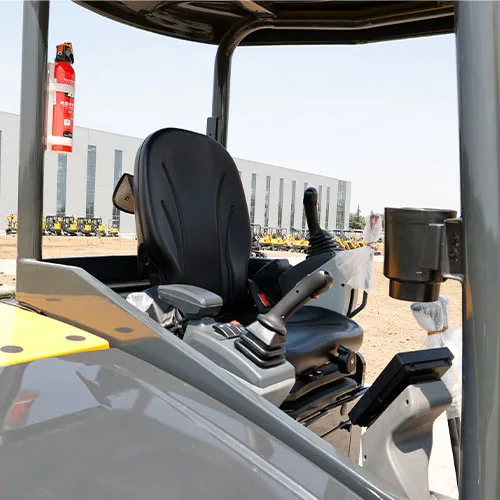
Whether you’re buying new or used, failing to inspect the excavator’s condition can lead to unpleasant surprises. Hidden issues like engine problems, hydraulic leaks, or worn-out tracks can result in significant repair costs and downtime.
How to Avoid This Mistake
If you’re purchasing a used machine, always inspect it thoroughly or hire a professional to do so. Test the engine, hydraulics, and controls, and look for signs of wear and tear. For new machines, ensure the dealer provides a warranty and after-sales support.
Mistake 4: Focusing Only on the Purchase Price
While it’s tempting to choose the cheapest option, focusing solely on the purchase price can be a costly mistake. The best small excavators are an investment, and the total cost of ownership includes maintenance, fuel, and potential repairs.
How to Avoid This Mistake
Consider the long-term costs of owning the machine. Compare fuel efficiency, maintenance requirements, and the availability of spare parts. A slightly higher upfront cost for a more efficient and durable model can save you money in the long run.
Mistake 5: Not Considering Attachments and Accessories

Small excavators are versatile because of the wide range of attachments available, such as buckets, breakers, and augers. However, some buyers overlook this aspect and end up with a machine that doesn’t fully meet their needs.
How to Avoid This Mistake
Think about the attachments you might need for your projects. Ensure the excavator is compatible with these attachments and that they are readily available. Investing in a machine with quick coupler systems can make switching attachments easier and more efficient.
| Common Attachments | Best Use Cases |
|---|---|
| Standard Bucket | Digging and trenching |
| Breaker | Demolition and breaking concrete |
| Auger | Drilling holes for posts or foundations |
| Grapple | Handling debris and logs |
| Tilt Bucket | Precision grading and sloping |
Conclusion
Buying the best small excavators is a significant decision that can impact the success of your projects. By avoiding these five common mistakes—ignoring project requirements, overlooking brand reputation, neglecting to inspect the machine, focusing only on price, and not considering attachments—you can make a more informed and confident purchase. Take the time to research, compare options, and consult with experts to ensure you choose a machine that meets your needs and delivers long-term value.
FAQ
What are the best small excavators for tight spaces?
Zero tail swing models, such as the Kubota U17-5 or the Bobcat E35, are ideal for tight spaces due to their compact design.
How much does a small excavator cost?
Prices vary depending on the brand, model, and features. New small excavators typically range from 20,000𝑡𝑜20,000to50,000, while used models can cost between 10,000𝑎𝑛𝑑10,000and30,000.
Can I rent a small excavator instead of buying one?
Yes, renting is a great option for short-term projects. However, if you have ongoing or frequent needs, purchasing may be more cost-effective in the long run.
What attachments should I consider for a small excavator?
Common attachments include buckets, breakers, augers, and grapples. Choose based on the specific tasks you’ll be performing.
How do I maintain a small excavator?
Regular maintenance includes checking fluid levels, inspecting tracks or tires, cleaning the machine, and servicing the engine and hydraulics as recommended by the manufacturer.