Table of Contents
Introduction
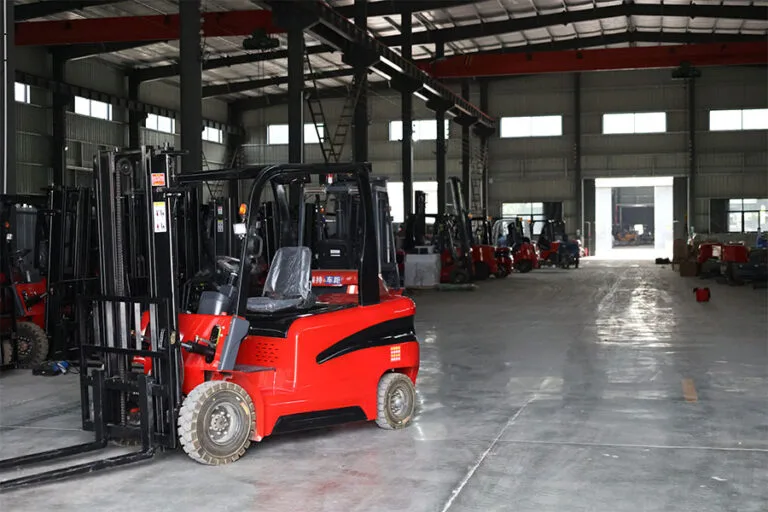
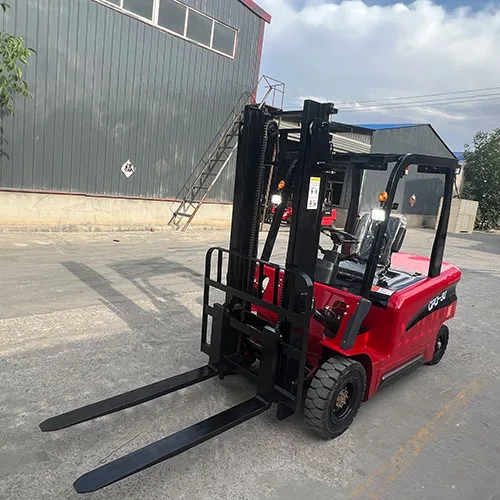
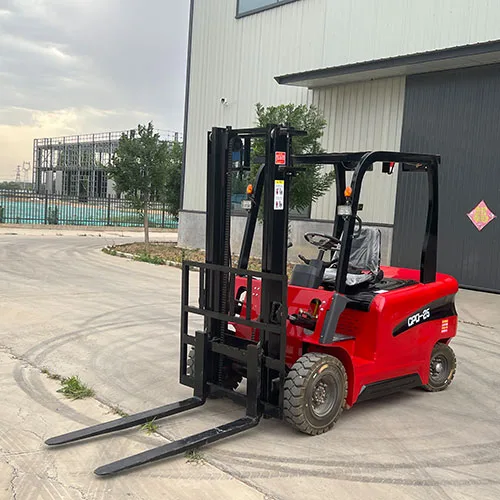
Warehouse operations have evolved dramatically over the past decade, with technology enhancing efficiency and sustainability. Among the essential elements driving this change is the electric forklift for warehouse, which offers eco-friendly and cost-effective alternatives to traditional forklifts. Understanding its features, benefits, and limitations can help businesses make smarter choices.
Key Elements of Electric Forklifts
Some core elements that define modern electric forklifts include:
- Battery technology: Lead-acid or lithium-ion batteries
- Electric motor system: Smooth and efficient power delivery
- Control elements: Joysticks, pedals, and digital interfaces
- Safety elements: Anti-tip systems, emergency brakes, and sensors
How Electric Forklifts Work: Understanding the Core Mechanism
Electric Motor and Powertrain Elements
An electric forklift relies on an electric motor rather than a combustion engine. Key components include:
- Traction motor: Powers movement and lifting
- Battery pack: Stores energy for operation
- Controller elements: Regulate speed, torque, and braking
Charging Systems and Battery Management
Efficient charging is crucial for warehouse operations. Common charging elements include:
- Standard AC charging
- Fast DC charging
- Battery swapping stations
Types of Electric Forklifts for Warehouse Needs
Classification by Load Capacity
- Light-duty forklifts: Up to 3 tons, ideal for small warehouses
- Medium-duty forklifts: 3–5 tons, for general warehouse operations
- Heavy-duty forklifts: 5+ tons, suitable for industrial warehouses
Classification by Operational Elements
- Counterbalance forklifts: Balanced and versatile
- Reach trucks: Ideal for narrow aisles and high stacking
- Pallet jacks and stackers: Compact, efficient for small loads
Special Conceptual Comparisons
| Feature | Electric Forklift | Diesel Forklift |
|---|---|---|
| Emission | Zero emissions | Produces CO2 |
| Noise Level | Low | High |
| Maintenance Cost | Low | High |
| Suitable Environment | Indoor | Outdoor/Heavy Duty |
Advantages of Electric Forklifts for Warehouse Operations
Core Benefits
Electric forklifts offer multiple operational and environmental elements:
- Eco-friendly operation: Zero emissions and reduced carbon footprint
- Lower running costs: Savings on fuel and maintenance
- Smooth and precise control: Ideal for sensitive inventory
- Quiet operation: Enhances warehouse comfort and safety
Conceptual Value Comparison
Electric forklifts provide long-term cost advantages, while diesel forklifts may have initial power advantages in outdoor settings. Understanding these trade-offs is critical for warehouse managers.
Challenges and Limitations of Electric Forklifts
Key Limiting Elements
- Battery life and range: Limited operating hours per charge
- Charging time: May require downtime or extra batteries
- Initial investment: Higher upfront cost than traditional forklifts
- Temperature sensitivity: Extreme cold or heat can affect battery performance
Maintenance and Safety Tips
Daily Maintenance Checklist
Elements to monitor for safe operation:
- Tires and wheels
- Battery voltage and electrolyte levels
- Hydraulic systems
- Brakes and steering
Safety Guidelines for Warehouse Operators
- Conduct pre-shift safety inspections
- Follow proper load stacking and handling methods
- Use seatbelts and protective equipment
- Ensure training on emergency protocols
Real-Life Applications of Electric Forklifts
Warehouse Efficiency Boost
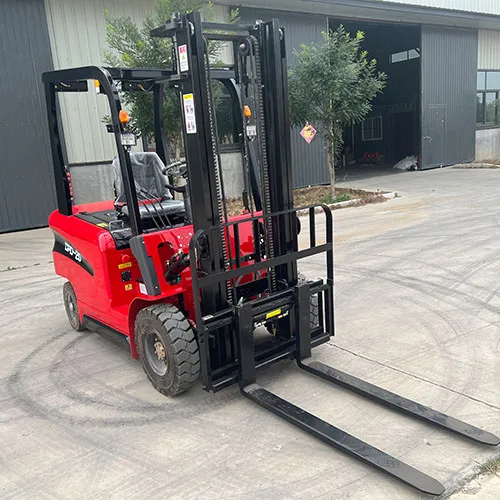
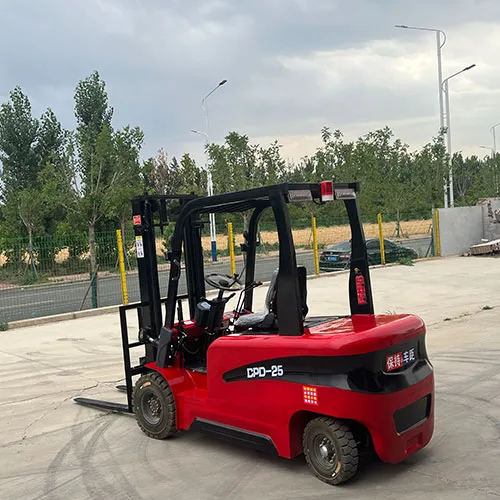
Electric forklifts are widely used in:
- E-commerce fulfillment centers
- Cold storage warehouses
- Large-scale logistics hubs
Case Example Elements
- Reduced energy costs by 25%
- Increased productivity due to smoother control
- Lower accident rates with advanced sensors
Conclusion
Electric forklifts represent a key element in modern warehouse operations, combining efficiency, sustainability, and safety. As battery technology and automation advance, these forklifts will increasingly replace traditional options, creating smarter, greener, and more productive warehouse environments.
FAQ
What’s the main difference between electric forklifts and diesel forklifts?
Electric forklifts produce zero emissions, are quieter, and cost less to maintain, while diesel forklifts are stronger for heavy-duty outdoor work.
How long does a battery last on a typical electric forklift?
Most batteries last 6–8 hours per charge, but lithium-ion options may extend operational time with faster charging cycles.
Can I use an electric forklift in cold storage?
Yes, but cold temperatures may reduce battery efficiency. Special battery heaters or insulated batteries are recommended.
Is it worth replacing my old forklift with an electric one?
If you prioritize lower operational costs, indoor air quality, and long-term sustainability, electric forklifts are a strong investment.
How do I choose the right electric forklift for my warehouse?
Consider warehouse size, aisle width, load capacity, and daily operating hours. A comparison table of key elements can help make a decision.
How often should I perform maintenance on an electric forklift?
Daily checks for safety-critical elements, monthly inspections for batteries and hydraulic systems, and annual professional servicing.
Thank you for reading! If you found this content valuable, let’s keep the conversation going. For more insights, industry trends, and updates from Shandong Huaying International Trade Co., Ltd., be sure to connect with us on social media:
📌 Facebook: Shandong Huaying International Trade Co., Ltd.
We look forward to sharing more knowledge and opportunities with you. Let’s continue learning, growing, and innovating—together.