
Welcome to My Blog!
Before we dive into the content, I’d love for you to join me on my social media platforms where I share more insights, engage with the community, and post updates. Here’s how you can connect with me:
Now, let’s get started on our journey together. I hope you find the content here insightful, engaging, and valuable.
Table of Contents
Introduction
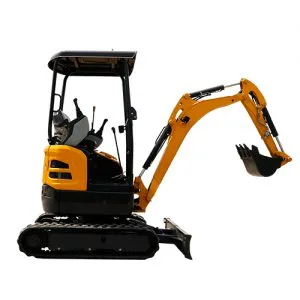
When it comes to selecting the best professional excavators for your construction projects in 2025, there are several crucial factors to consider. These powerful machines are vital for digging, lifting, and various other heavy-duty tasks on job sites. As the demand for efficiency, productivity, and sustainability rises, choosing the right professional excavator becomes increasingly important. In this blog post, we’ll guide you through the essential considerations, from machine features to types of excavators, ensuring you make an informed decision that meets your specific needs.
Key Features to Consider When Choosing Professional Excavators
When searching for the best professional excavators, the features that define performance, durability, and efficiency are paramount. Let’s take a look at some of the key elements to keep in mind.
Engine Power and Fuel Efficiency
A powerful engine is a must-have for any professional excavator, especially when working with demanding projects. The engine’s horsepower will determine how efficiently the machine can perform under heavy loads. Fuel efficiency is another critical factor; it not only helps reduce operational costs but also contributes to the overall sustainability of the machine.
Hydraulic System and Performance
The hydraulic system plays a central role in the functionality of an excavator, enabling the machine to perform tasks such as digging, lifting, and rotating. When choosing an excavator, pay attention to its hydraulic flow rate and how well it responds under different working conditions. A higher flow rate generally indicates better performance in demanding tasks.
Comfort and Operator Safety
A comfortable operator is a productive operator. Professional excavators should come equipped with a well-designed cab that offers optimal comfort, visibility, and ergonomic features. Additionally, ensure that the excavator has safety features like reinforced cabins, automatic shutdown systems, and anti-rollover technology.
Different Types of Professional Excavators
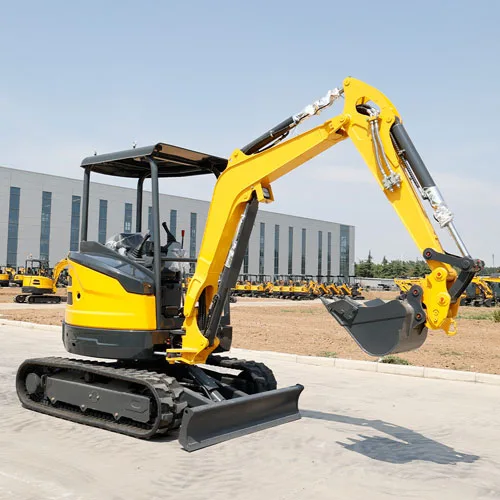
Professional excavators come in various types, each suited to different tasks. Understanding the type that fits your needs is essential in selecting the best machine.
Mini Excavators
Mini excavators are compact machines ideal for tight spaces and smaller tasks. They are versatile and can handle light to medium-duty jobs such as trenching and landscaping. Their smaller size allows them to navigate in areas where full-sized excavators cannot.
Crawler Excavators
Crawler excavators are the most common type used for heavy-duty applications. Their tracks provide superior stability and allow for operation in rough terrain. These excavators are ideal for large-scale projects, including mining, demolition, and large construction sites.
Wheeled Excavators
Wheeled excavators offer greater mobility compared to crawler types. Their wheels enable them to move quickly between job sites, making them an excellent choice for projects with multiple locations or urban environments. However, they may not perform as well on rough terrain as tracked models.
How to Evaluate the Best Professional Excavators for 2025
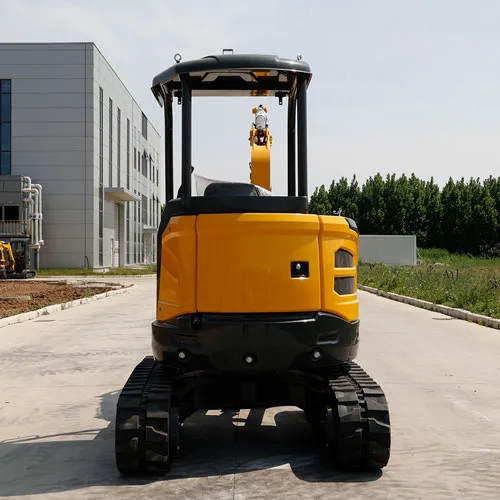
When evaluating professional excavators, consider the following aspects:
Machine Size and Reach
The size of the excavator will depend on your job requirements. Larger machines can offer more power and reach, but they may not be suitable for smaller sites or tighter spaces. For digging depth and reach, ensure that the excavator can handle your specific project needs.
Attachments and Versatility
The availability of various attachments like buckets, augers, and breakers can significantly increase the versatility of an excavator. Look for machines that offer a wide range of attachments to help you complete a variety of tasks without needing additional equipment.
Service and Maintenance
A well-maintained excavator will last much longer and perform better. Consider choosing a model from a reputable manufacturer that offers strong after-sales service and easy access to parts. Regular maintenance is essential for keeping the excavator in optimal working condition.
Professional Excavator Comparison Table
The following table provides an overview of general factors to consider when comparing professional excavators. It does not focus on specific brands but highlights key features that influence performance and suitability for various tasks.
| Feature | Mini Excavators | Crawler Excavators | Wheeled Excavators |
|---|---|---|---|
| Engine Power | Low to Medium | High | Medium to High |
| Fuel Efficiency | High | Medium | High |
| Hydraulic Flow Rate | Medium | High | Medium |
| Digging Depth | Shallow to Medium | Deep | Medium |
| Versatility | High | Medium | High |
| Mobility | High (Compact) | Low (Limited by tracks) | Very High (Wheeled) |
How to Maintain Your Professional Excavator for Longevity
Proper maintenance is essential for extending the life of your professional excavator. Follow these guidelines to keep your machine in excellent condition:
- Regular Inspections: Periodically check the excavator’s components, including the engine, hydraulics, and tracks. Catching small issues early can prevent major breakdowns.
- Change Fluids and Filters: Ensure that hydraulic fluid and engine oil are changed regularly, as well as the filters. Clean filters will help maintain performance and protect sensitive parts.
- Monitor Wear and Tear: Keep an eye on the tracks, bucket, and other working parts for signs of wear. Early replacement of these components can avoid costly repairs down the line.
Conclusion
Choosing the best professional excavators for your needs in 2025 is a decision that should not be taken lightly. By carefully considering factors such as engine power, hydraulic performance, safety features, and maintenance needs, you can find a machine that will perform reliably and efficiently on your job sites. Whether you’re working with a mini excavator for tight spaces or a crawler for heavy-duty tasks, there is a wide range of options available to suit every requirement.
FAQ
What is the difference between a crawler excavator and a wheeled excavator
A crawler excavator is designed for rough terrains and large construction sites, providing more stability and power. In contrast, a wheeled excavator is better for urban environments due to its superior mobility.
How do I determine the right excavator size for my project?
The right size depends on the project’s scope, terrain, and required digging depth. For smaller projects in tight spaces, a mini excavator may be sufficient, while larger projects may require a crawler excavator for additional power.
Are attachments necessary for a professional excavator
Attachments like buckets, augers, and grapples increase the versatility of an excavator, making it capable of handling a wide variety of tasks. If your project requires different functions, attachments can save you from needing additional machinery.
What is the average lifespan of a professional excavator
With proper maintenance, a professional excavator can last anywhere from 8 to 15 years. However, this lifespan can vary based on usage, brand, and maintenance practices.
How can I improve fuel efficiency in my excavator?
Regular maintenance, efficient operation, and using the right attachments can all contribute to better fuel efficiency. Additionally, choosing a machine with an energy-efficient engine will also help reduce fuel consumption.