Table of Contents
Introduction

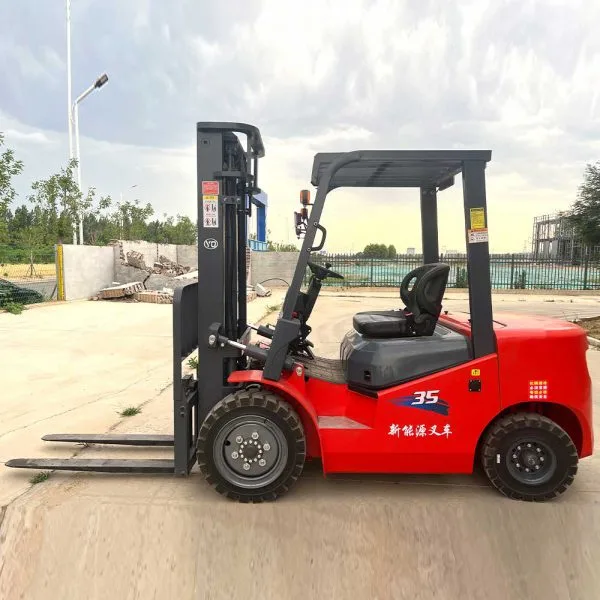
When it comes to managing a fleet of electric forklifts, one of the most critical decisions that business owners face is choosing the right electric forklift battery. The performance, lifespan, maintenance needs, and overall cost of the batteries will directly influence the productivity and efficiency of your operations. Over the years, the most common battery types used in forklifts have been lead-acid and lithium-ion, both of which come with their own set of advantages and disadvantages.
The choice between these two battery types isn’t always clear-cut. On the surface, lead-acid batteries are generally less expensive, but lithium-ion batteries have gained popularity due to their superior performance, longer lifespan, and minimal maintenance requirements. For business owners, understanding the differences between lithium-ion and lead-acid batteries is crucial in making an informed decision that aligns with their operational goals.
In this comprehensive guide, we’ll dive into the key differences between lithium-ion and lead-acid batteries, comparing their cost, performance, maintenance, and environmental impact. By the end of this article, you’ll have a clear understanding of which electric forklift battery is right for your business.
Why Battery Choice Matters
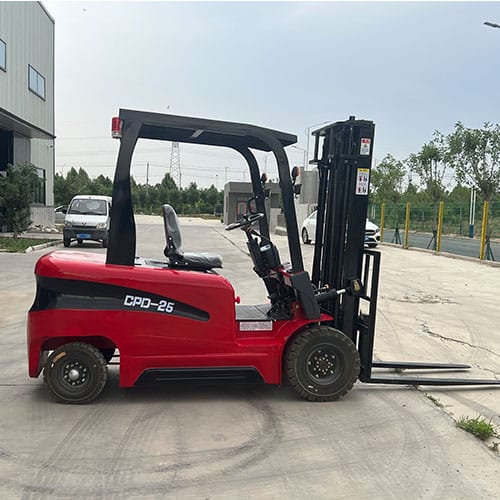
The decision to choose the right electric forklift battery is far from trivial. It impacts several aspects of your business, including:
- Operational Efficiency: The battery directly affects how long your forklifts can operate before needing to recharge, how quickly they can be recharged, and how much downtime is experienced between shifts.
- Total Cost of Ownership (TCO): This encompasses the initial cost of the battery, ongoing maintenance, replacement costs, and energy efficiency. Choosing the wrong battery could lead to higher operational costs in the long run.
- Sustainability Goals: With increasing pressure on businesses to adopt greener technologies, the environmental footprint of your electric forklift battery is an important consideration.
- Workplace Safety: The safety of your employees and the risk associated with handling the battery are important factors, especially in hazardous environments.
Choosing the right electric forklift battery can ensure smoother operations, better performance, and more cost-effective operations in the long run.
Lithium-Ion vs. Lead-Acid: Key Differences
Understanding the key differences between lithium-ion and lead-acid batteries is crucial to making an informed decision. These differences span across areas such as cost, performance, maintenance, and lifetime efficiency.
1. Cost Comparison: Lithium-Ion vs. Lead-Acid Forklift Batteries
The first thing many business owners look at is the initial cost of the battery. At first glance, lead-acid batteries are typically more affordable. However, when considering the total cost of ownership (TCO), lithium-ion batteries tend to offer better value over time due to their long lifespan, low maintenance needs, and energy efficiency.
Initial Cost vs. Long-Term Savings
While lithium-ion batteries have a higher upfront cost, they can provide long-term savings through:
- Longer Lifespan: Lithium-ion batteries last about 3,000 to 5,000 cycles compared to lead-acid batteries, which last only 1,500 to 2,000 cycles.
- Reduced Maintenance: Lithium-ion batteries require far less maintenance, resulting in fewer labor costs and less downtime.
- Faster Charging: Lithium-ion batteries charge faster, allowing forklifts to be back in service sooner, reducing overall downtime.
| Feature | Lead-Acid Battery | Lithium-Ion Battery |
|---|---|---|
| Initial Cost | Lower | Higher |
| Maintenance Cost | High (Requires regular water top-ups, charging cycles) | Low (Minimal maintenance, no water top-ups required) |
| Lifespan | 1,500-2,000 cycles | 3,000-5,000 cycles |
| Energy Efficiency | Lower | Higher |
| Charging Time | 6-8 hours | 1-2 hours |
| Operational Downtime | Higher | Lower |
| Total Cost of Ownership | Higher (due to frequent replacements and maintenance) | Lower (due to longer lifespan and minimal maintenance) |
2. Performance and Efficiency
Performance is one of the most critical factors when comparing electric forklift batteries. Lithium-ion batteries typically outperform lead-acid batteries in almost every aspect, from energy efficiency to charging times.
Energy Density and Efficiency
Lithium-ion batteries have a higher energy density, meaning they can store more power in the same physical space as lead-acid batteries. This translates into longer runtimes on a single charge, reducing the need for frequent recharging. In contrast, lead-acid batteries often require longer charging times and have lower energy efficiency.
Charging Speed
Another advantage of lithium-ion batteries is their charging speed. While lead-acid batteries can take anywhere from 6 to 8 hours to fully charge, lithium-ion batteries can charge in as little as 1 to 2 hours, making them more suitable for applications that require quick turnaround times.
3. Maintenance Requirements: Lithium-Ion vs. Lead-Acid Batteries
The maintenance of electric forklift batteries is a major concern for business owners. Poor maintenance can lead to reduced battery life and increased operational costs. Fortunately, lithium-ion batteries require significantly less maintenance than lead-acid batteries.
Maintenance Needs of Lead-Acid Batteries
Lead-acid batteries require regular checks and maintenance, including:
- Water Top-ups: Lead-acid batteries need to be topped up with distilled water to prevent the plates from drying out.
- Equalization Charging: To prevent the battery from becoming imbalanced, lead-acid batteries need to undergo periodic equalization charging.
- Acid Spills and Leaks: Lead-acid batteries can leak sulfuric acid, which can be hazardous if not handled properly.
Maintenance Needs of Lithium-Ion Batteries
On the other hand, lithium-ion batteries are sealed and require no water top-ups. They also don’t need equalization charging. These batteries are virtually maintenance-free, reducing labor costs and minimizing downtime associated with maintenance.
Environmental Impact: Lithium-Ion vs. Lead-Acid Forklift Batteries
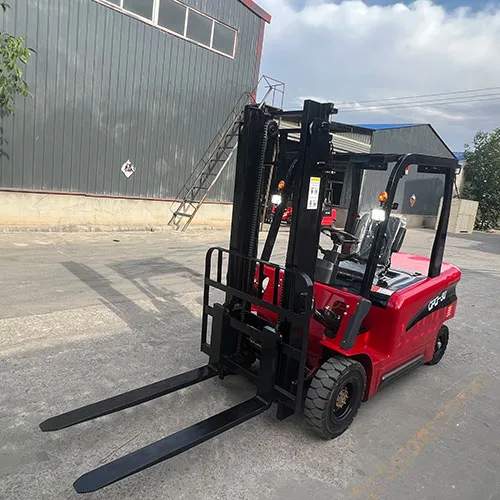
With an increasing emphasis on sustainability, the environmental impact of your electric forklift battery is another important factor to consider.
The Environmental Footprint of Lead-Acid Batteries
While lead-acid batteries are recyclable, they still pose environmental risks due to the lead and sulfuric acid contained within them. Improper disposal can lead to contamination of soil and water. Furthermore, the need for frequent replacement of lead-acid batteries means more waste over time.
Lithium-Ion: A Greener Alternative
Lithium-ion batteries are generally considered more environmentally friendly because they last longer, reducing the amount of waste generated. They also have a higher energy efficiency, meaning less energy is consumed during charging.
Although lithium-ion batteries require careful handling due to the chemicals involved, they are less hazardous to the environment compared to lead-acid batteries.
4. Safety Concerns: Which Forklift Battery Is Safer to Use?
Safety is always a priority in warehouse environments. While both lithium-ion and lead-acid batteries are generally safe when used and maintained correctly, lithium-ion batteries have a higher safety standard due to the advanced technologies used to monitor their performance.
Safety Features of Lithium-Ion Batteries
Lithium-ion batteries come with built-in safety mechanisms such as:
- Thermal Protection: Prevents the battery from overheating.
- Overcharge Protection: Stops the battery from being charged beyond its capacity.
- Voltage Regulation: Ensures the voltage remains within a safe range.
In contrast, lead-acid batteries can be prone to issues like acid leakage or venting, which may pose safety risks.
Conclusion
Choosing the right electric forklift battery for your business depends on your specific needs, budget, and operational requirements. While lead-acid batteries may be a more affordable option upfront, lithium-ion batteries offer long-term savings, increased productivity, and less maintenance.
By understanding the differences in performance, cost, maintenance, and environmental impact, you can make an informed decision that aligns with your company’s goals. Whether you’re looking to reduce downtime, cut costs, or make your operations more sustainable, lithium-ion batteries offer significant advantages over lead-acid batteries in the long run.
In the end, the choice between lithium-ion and lead-acid will depend on your unique business needs, but with the right information, you can confidently select the best electric forklift battery for your fleet.
FAQ
Q1: How do I know when to replace my electric forklift battery?
A1: The lifespan of your electric forklift battery depends on the type of battery you use. Lead-acid batteries generally last between 1,500 and 2,000 cycles, while lithium-ion batteries can last 3,000 to 5,000 cycles. If your battery is no longer holding a charge efficiently, or if it’s showing signs of frequent downtime, it may be time for a replacement.
Q2: Can I switch from lead-acid to lithium-ion batteries for my fleet?
A2: Yes, you can switch from lead-acid to lithium-ion batteries. However, you will need to ensure that your forklift fleet is compatible with the new battery type. Additionally, you may need to invest in new charging infrastructure for lithium-ion batteries.
Q3: Which electric forklift battery is better for multi-shift operations?
A3: Lithium-ion batteries are ideal for multi-shift operations due to their quick charging time and longer lifespan. Unlike lead-acid batteries, which can take up to 8 hours to recharge, lithium-ion batteries can be fully charged in 1-2 hours, allowing you to keep your forklifts running throughout the day.
Q4: Do lithium-ion batteries require more frequent maintenance than lead-acid batteries?
A4: No, lithium-ion batteries require far less maintenance than lead-acid batteries. Lead-acid batteries require regular water top-ups and periodic equalization charging to maintain performance, while lithium-ion batteries require minimal upkeep.
Thank you for reading! If you found this content valuable, let’s keep the conversation going. For more insights, industry trends, and updates from Shandong Huaying International Trade Co., Ltd., be sure to connect with us on social media:
📌 Facebook: Shandong Huaying International Trade Co., Ltd.
We look forward to sharing more knowledge and opportunities with you. Let’s continue learning, growing, and innovating—together.