Welcome to My Blog!
Before we dive into the content, I’d love for you to join me on my social media platforms where I share more insights, engage with the community, and post updates. Here’s how you can connect with me:
Facebook:https://www.facebook.com/people/Shandong-Huaying-International-Trade-CoLtd/61569380364327/
Now, let’s get started on our journey together. I hope you find the content here insightful, engaging, and valuable.
Table of Contents
Introduction
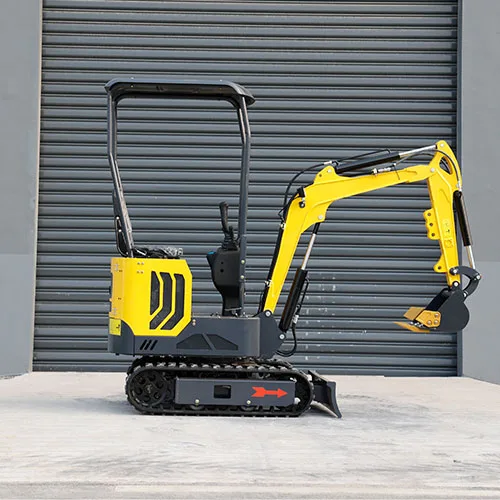
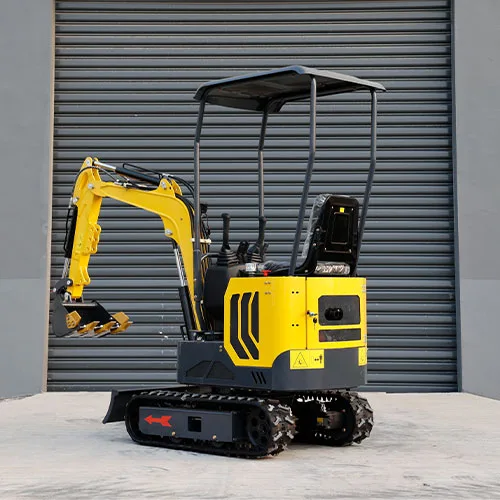
When it comes to purchasing construction equipment, many people are drawn to cheap mini excavators because of their lower upfront cost. These compact machines are often seen as a cost-effective solution for small to medium-sized projects. However, while the initial price tag may be appealing, there are hidden costs associated with cheap mini excavators that can significantly impact your budget and productivity in the long run. In this blog, we will explore these hidden costs, helping you make a more informed decision when investing in construction equipment.
1. Initial Purchase Price vs. Long-Term Value
One of the most obvious attractions of cheap mini excavators is their low initial purchase price. For businesses or individuals with tight budgets, this can seem like a great deal. However, it’s essential to consider the long-term value of the equipment. Cheap mini excavators often come with compromises in terms of build quality, materials, and engineering. These compromises can lead to higher maintenance costs, frequent repairs, and a shorter lifespan compared to higher-quality models.
2. Maintenance and Repair Costs
Frequent Breakdowns
Cheap mini excavators are often built with lower-quality components, which can lead to frequent breakdowns. Each repair not only costs money but also results in downtime, delaying your projects and reducing overall productivity.
Availability of Spare Parts
Another hidden cost is the availability of spare parts. Cheap mini excavators may use non-standard or hard-to-find parts, making repairs more expensive and time-consuming. In contrast, higher-quality models often have readily available parts, reducing both cost and downtime.
Professional Servicing
Cheap mini excavators may require more frequent professional servicing to keep them in working condition. This can add up over time, eating into the savings you initially made on the purchase price.
3. Fuel Efficiency and Operational Costs
Higher Fuel Consumption
One of the most overlooked aspects of budget-friendly construction equipment is its fuel efficiency. Lower-priced models often lack the advanced engineering and technological innovations found in their higher-end counterparts. This deficiency can lead to significantly higher fuel consumption during operation. Over time, the additional fuel expenses can offset the initial savings from the lower purchase price. For businesses or individuals working on long-term projects, this can result in a substantial increase in operational costs, making the seemingly affordable option much more expensive in the grand scheme of things.
Operational Inefficiency
In addition to higher fuel consumption, these machines often suffer from operational inefficiency. They may require more time and effort to complete tasks that higher-quality models can handle with ease. For example, a less efficient machine might take longer to dig, lift, or move materials, leading to extended project timelines. This inefficiency not only increases labor costs but can also cause delays in meeting project deadlines. For businesses that rely on timely completion of work, these delays can harm their reputation and lead to financial penalties or lost opportunities.
4. Resale Value and Depreciation
Rapid Depreciation
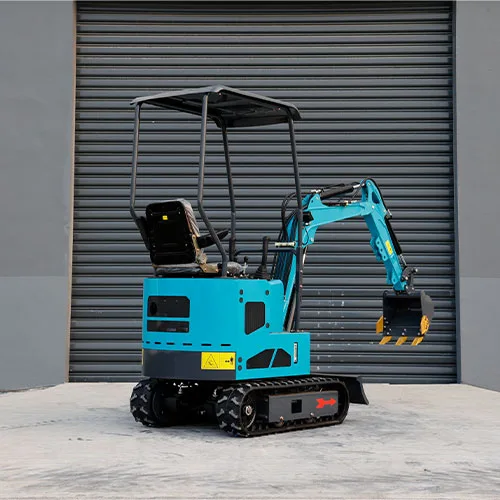
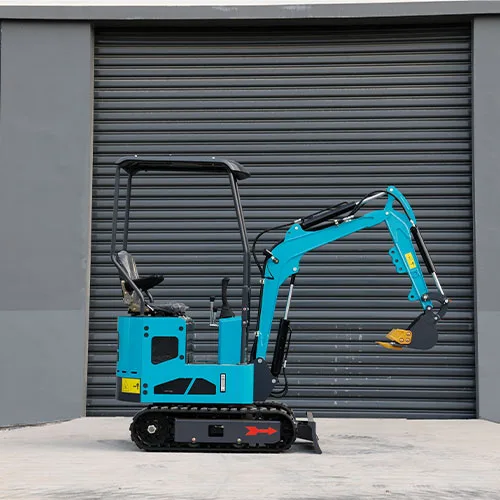
Another critical factor to consider is the depreciation rate of lower-cost construction equipment. Budget-friendly models tend to lose their value much faster than higher-quality ones. When it comes time to sell or trade in the machine, you may find that its market value has dropped significantly. This rapid depreciation can result in a lower return on your initial investment, making it harder to recoup costs when upgrading or replacing the equipment. In contrast, higher-quality models often retain their value better, providing a more favorable resale or trade-in opportunity.
Difficulty in Resale
Selling used budget equipment can also be a challenge. Machines with a reputation for lower quality and higher maintenance costs are less attractive to potential buyers. This difficulty in resale can leave you stuck with outdated or inefficient equipment, forcing you to continue using a machine that no longer meets your needs. Additionally, the longer you hold onto the equipment, the more its value decreases, further compounding the financial loss. For businesses looking to upgrade their fleet or recover some of their investment, this can be a significant drawback.
By understanding these hidden costs, you can make a more informed decision when purchasing construction equipment. While the initial price tag of budget models may be appealing, the long-term financial impact of higher fuel consumption, operational inefficiency, rapid depreciation, and difficulty in resale can make them a less economical choice. Investing in higher-quality equipment, though more expensive upfront, often proves to be the more cost-effective and reliable option over time.
5. Safety and Reliability Concerns
Compromised Safety Features
When it comes to construction equipment, safety should always be a top priority. However, lower-cost models often cut corners in this critical area. Cheap mini excavators may lack advanced safety features such as reinforced rollover protection systems (ROPS), enhanced visibility designs, or advanced braking systems. These omissions can put operators at a higher risk of accidents and injuries, especially when working in challenging or hazardous environments. The consequences of workplace accidents can be severe, including medical expenses, legal fees, and potential fines for safety violations. Additionally, accidents can lead to increased insurance premiums and even reputational damage for your business. Investing in equipment with robust safety features not only protects your workers but also safeguards your business from costly liabilities.
Unreliable Performance
Reliability is a cornerstone of productivity in any construction project, and this is where budget-friendly equipment often falls short. Cheap mini excavators are more prone to mechanical failures, unexpected breakdowns, and inconsistent performance. These issues can lead to frequent project interruptions, missed deadlines, and dissatisfied clients. For example, if a machine stops working in the middle of a critical task, it can delay the entire project timeline, causing a ripple effect that impacts other contractors and stakeholders. Unreliable equipment can also increase stress for operators and project managers, who must constantly troubleshoot and address performance issues.
Over time, these challenges can harm your business’s reputation for delivering quality work on time, ultimately affecting your ability to secure future projects and maintain profitability.
Long-Term Impact on Business Operations
The safety and reliability concerns associated with lower-cost equipment extend beyond immediate financial costs. Frequent breakdowns and safety incidents can disrupt workflow, reduce employee morale, and increase turnover rates. Skilled operators may prefer working with reliable, high-quality machinery, and the constant frustration of dealing with subpar equipment can drive them to seek opportunities elsewhere. Additionally, clients are more likely to trust businesses that prioritize safety and efficiency, and repeated issues with equipment can erode that trust.
By investing in dependable machinery, you not only ensure smoother operations but also demonstrate a commitment to safety and professionalism, which can enhance your business’s reputation and long-term success.
In summary, while cheap mini excavators may seem like a cost-effective solution, their compromised safety features and unreliable performance can lead to significant financial and operational challenges. Prioritizing equipment that meets high safety and reliability standards is essential for protecting your workers, maintaining project timelines, and safeguarding your business’s reputation and profitability.
Comparing Cheap Mini Excavators vs. Higher-Quality Models
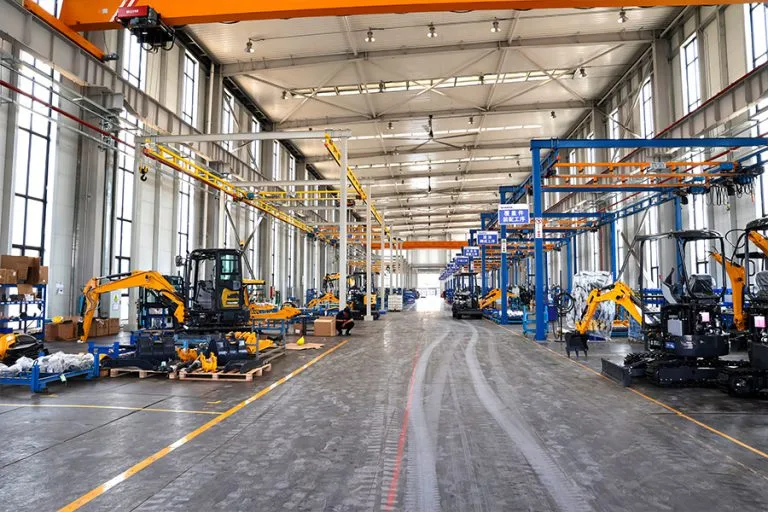
To help you understand the differences, here is a comparison of cheap mini excavators and higher-quality models:
| Feature | Cheap Mini Excavators | Higher-Quality Models |
|---|---|---|
| Initial Purchase Price | Low | High |
| Maintenance Costs | High | Low |
| Fuel Efficiency | Low | High |
| Resale Value | Low | High |
| Safety Features | Basic | Advanced |
| Reliability | Low | High |
Conclusion
While cheap mini excavators may seem like a cost-effective solution at first glance, the hidden costs associated with these machines can quickly add up. From frequent repairs and higher fuel consumption to safety concerns and rapid depreciation, the long-term expenses can far outweigh the initial savings. When investing in construction equipment, it’s crucial to consider not just the purchase price but also the overall value, reliability, and efficiency of the machine. By doing so, you can make a more informed decision that benefits your business in the long run.
FAQ
What are the main hidden costs of cheap mini excavators?
The main hidden costs include frequent maintenance and repairs, higher fuel consumption, rapid depreciation, and potential safety concerns.
Are cheap mini excavators less fuel-efficient?
Yes, cheap mini excavators often lack advanced engineering and technology, leading to higher fuel consumption compared to higher-quality models.
How does the resale value of cheap mini excavators compare to higher-quality models?
Cheap mini excavators tend to depreciate faster and are harder to sell due to their reputation for lower quality and higher maintenance costs.
Are cheap mini excavators safe to operate?
Cheap mini excavators may lack advanced safety features, increasing the risk of accidents and injuries. It’s essential to consider safety when choosing construction equipment.
What should I consider when buying a mini excavator?
When buying a mini excavator, consider the initial purchase price, maintenance costs, fuel efficiency, resale value, safety features, and overall reliability to make an informed decision.