Welcome to My Blog!
Before we dive into the content, I’d love for you to join me on my social media platforms where I share more insights, engage with the community, and post updates. Here’s how you can connect with me:
Now, let’s get started on our journey together. I hope you find the content here insightful, engaging, and valuable.
Table of Contents
Introduction
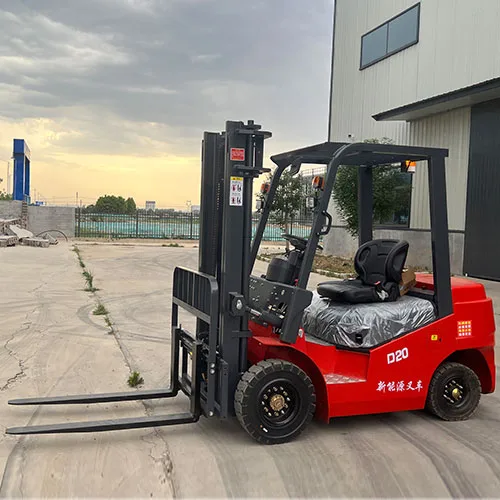
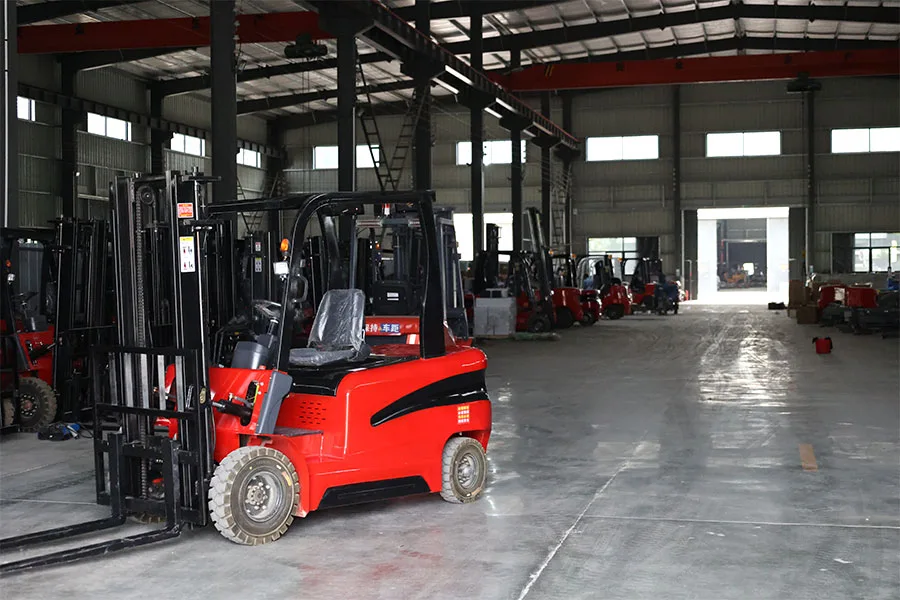
In the world of material handling, forklifts are indispensable tools, and their evolution continues to shape industries. One significant development is the rise of all electric forklifts. As businesses look for ways to enhance efficiency while minimizing environmental impact, electric forklifts have garnered increasing attention. These machines offer a cleaner, quieter, and more sustainable alternative to traditional gas-powered models. With their growing popularity, it’s essential to understand the key benefits of switching to an all electric forklift for your operations.
In this article, we will explore the top five benefits of all electric forklifts, covering everything from cost savings to environmental impact. By the end, you will have a clearer understanding of why all electric forklifts are becoming the preferred choice for modern businesses.
Enhanced Energy Efficiency of All Electric Forklifts
When it comes to energy consumption, all electric forklifts stand out as the clear winner. These machines are powered by electric motors, which are far more efficient than their internal combustion engine counterparts. Electric motors convert a higher percentage of energy from the battery into useful work, leading to reduced energy waste and higher operational efficiency.
Not only does this energy efficiency result in less power consumption, but it also contributes to lower operational costs over time. Companies can expect a reduction in energy bills, especially for warehouses or factories that require constant use of forklifts. Additionally, the use of lithium-ion batteries in many modern electric forklifts ensures better performance and longer life cycles compared to older battery technologies.
The Cost-Effectiveness of Electric Forklifts
The lower energy consumption of all electric forklifts directly translates to cost savings. Unlike fuel-powered forklifts, which require frequent refueling and oil changes, electric models only need periodic battery charging. This shift away from fuel-based systems eliminates fuel costs, reduces maintenance needs, and minimizes downtime. As a result, businesses can expect a solid return on investment (ROI) over time.
Reduced Environmental Impact
As sustainability becomes a critical focus for companies worldwide, all electric forklifts offer an environmentally friendly solution. These forklifts produce zero emissions during operation, making them an ideal choice for businesses aiming to reduce their carbon footprint. Unlike traditional gas-powered forklifts, electric models do not release harmful gases or pollutants into the air.
In addition to promoting cleaner indoor air quality, this benefit is especially important for businesses that operate in enclosed spaces, such as warehouses or distribution centers. Reducing air pollution not only supports the environment but also helps businesses meet regulatory requirements for emissions.
Lower Maintenance Costs and Downtime
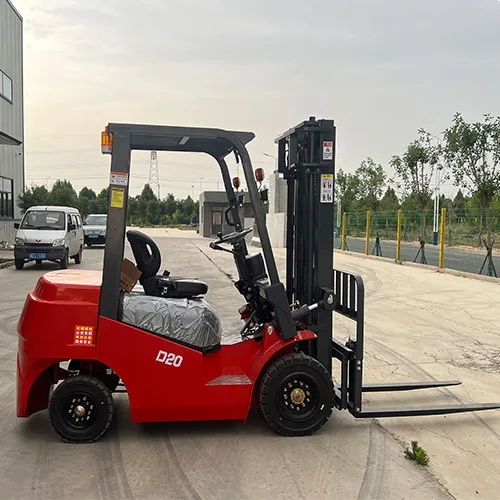
One of the standout features of all electric forklifts is their relatively low maintenance needs. Electric forklifts have fewer moving parts compared to their internal combustion counterparts, which means there is less wear and tear. For example, there’s no need for regular oil changes, exhaust system maintenance, or fuel filter replacements. Instead, the maintenance focus primarily revolves around battery management, which is less complex than maintaining an engine.
This simplicity translates into fewer repairs, less downtime, and lower overall maintenance costs. Businesses can also extend the life of their forklifts by following proper maintenance schedules and using high-quality batteries, ensuring long-term performance and reliability.
Noise Reduction and Improved Workplace Conditions
Another benefit of all electric forklifts is their quieter operation. Electric forklifts produce significantly less noise compared to gas-powered models, which makes them ideal for use in environments where noise reduction is essential. Whether you’re working in a warehouse, distribution center, or retail setting, quieter machinery can improve employee comfort and safety.
Quieter operations also contribute to better communication between workers, enhanced concentration, and an overall more pleasant working environment. This can lead to increased productivity and morale, helping businesses foster a more effective and supportive workplace culture.
Convenience and Ease of Operation
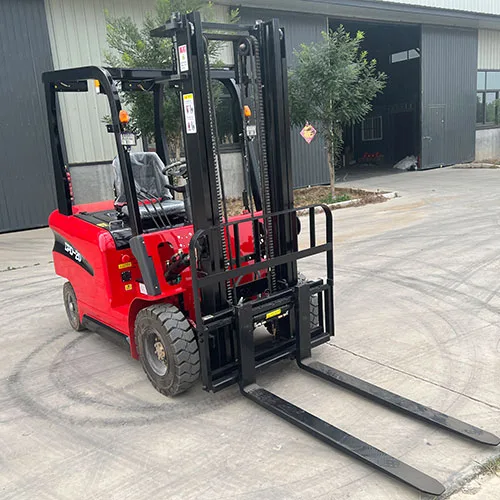
All electric forklifts are known for their ease of operation. These machines typically feature more straightforward controls, which makes them easier to learn and use. For businesses with high turnover rates or those training new employees, this simplicity can be an invaluable asset. Electric forklifts require less time for training and are often easier to maneuver compared to gas-powered machines, making them an excellent option for businesses looking to streamline operations.
Moreover, the smooth acceleration and braking provided by electric forklifts enhance operator comfort, making them suitable for long shifts and frequent use.
Table: Key Features and Benefits of All Electric Forklifts
| Feature | Benefit |
|---|---|
| Energy Efficiency | Lower power consumption and operational costs |
| Environmental Impact | Zero emissions, reduced pollution |
| Maintenance Requirements | Fewer moving parts, reduced maintenance |
| Noise Levels | Quieter operation, better workplace conditions |
| Ease of Use | Simpler controls, reduced training time |
Conclusion
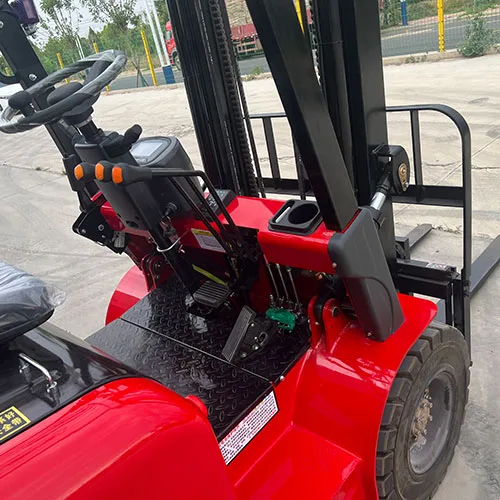
The benefits of all electric forklifts are undeniable. From energy efficiency to environmental sustainability, reduced maintenance costs, quieter operation, and improved operator comfort, these forklifts are transforming how businesses approach material handling. While the initial investment may be higher, the long-term savings and environmental benefits make them a smart choice for companies looking to invest in the future of their operations. By adopting electric forklifts, businesses can improve their efficiency, reduce costs, and support their sustainability goals, all while offering a better working environment for their employees.
FAQ
What is the lifespan of an all electric forklift?
The lifespan of an all electric forklift can vary depending on usage, maintenance, and battery type. On average, these forklifts last anywhere from 5 to 10 years. Regular maintenance and battery care can extend the life of the forklift even further.
How often do I need to charge my all electric forklift?
Charging frequency depends on the usage of the forklift and the battery capacity. Typically, all electric forklifts require charging after 6 to 8 hours of use. Modern lithium-ion batteries can last longer and charge faster, allowing businesses to use forklifts for longer periods before needing to recharge.
Are electric forklifts suitable for outdoor use?
While all electric forklifts are primarily designed for indoor use, some models are equipped with weather-resistant features and can be used in outdoor environments. However, it is essential to ensure that the specific model is rated for outdoor conditions.
What is the cost difference between electric and gas forklifts?
Electric forklifts typically have a higher initial purchase cost compared to gas-powered models. However, the overall cost of ownership is lower due to reduced maintenance, fuel, and operating costs. Over time, electric forklifts can offer significant savings.