
Welcome to My Blog!
Before we dive into the content, I’d love for you to join me on my social media platforms where I share more insights, engage with the community, and post updates. Here’s how you can connect with me:
Facebook:https://www.facebook.com/people/Shandong-Huaying-International-Trade-CoLtd/61569380364327/
Now, let’s get started on our journey together. I hope you find the content here insightful, engaging, and valuable.
Table of Contents
Introduction
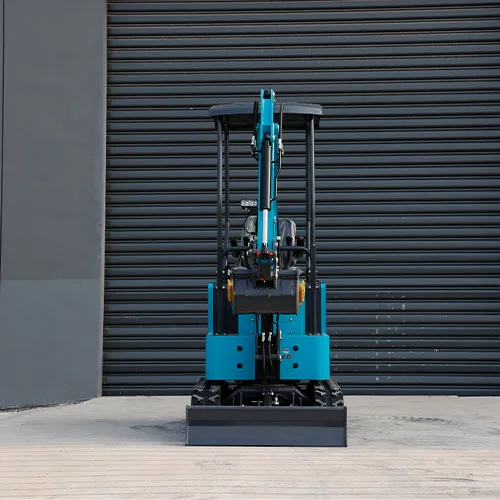
Tracks excavators are essential pieces of heavy construction equipment, widely used in various projects due to their versatility and powerful digging capabilities. Unlike wheeled excavators, tracks excavators operate on a continuous track system, providing superior stability and traction on uneven or challenging terrains. This feature makes them ideal for construction sites, mining operations, and other demanding environments.
In this comprehensive guide, we will delve into the world of tracks excavators, exploring their types, sizes, key features, and essential factors to consider when choosing the right machine for your specific job requirements. Whether you are a seasoned contractor or a newcomer to the construction industry, this article will equip you with the knowledge to make informed decisions and select the perfect tracks excavator for your needs.
Understanding Tracks Excavators
Tracks excavators, also known as crawler excavators, are heavy-duty construction machines that utilize a hydraulic system to power their digging, lifting, and material handling operations. The core components of a tracks excavator include:
- Undercarriage: The undercarriage consists of the tracks, track frame, and other components that support the excavator’s weight and enable movement.
- Upper structure: The upper structure, or superstructure, houses the operator’s cab, engine, hydraulic system, and other essential components.
- Boom: The boom is a long, extendable arm that connects the excavator’s bucket to the upper structure.
- Stick: The stick, also known as the arm, is a shorter, hinged extension at the end of the boom that provides additional reach and digging force.
- Bucket: The bucket is the primary attachment used for digging, scooping, and moving materials.
Types of Tracks Excavators
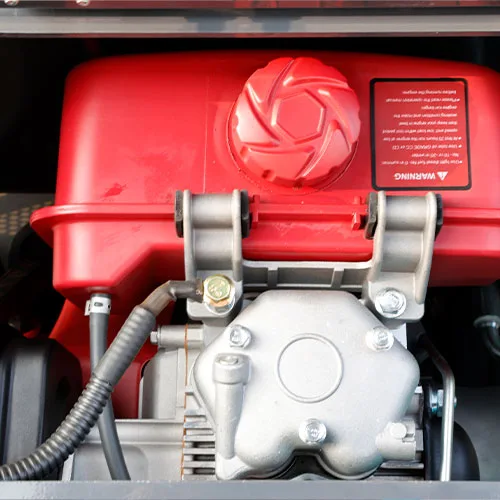
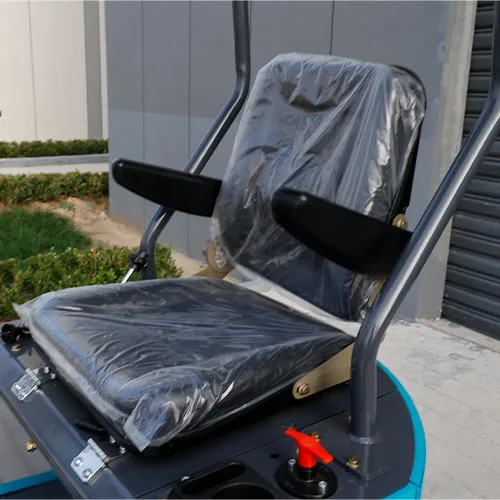
Tracks excavators are available in various sizes and configurations to suit different project needs. The most common types include:
- Compact tracks excavators: These small but powerful machines are ideal for confined spaces and light-to-medium duty tasks.
- Standard tracks excavators: Standard-sized excavators offer a balance of power, versatility, and maneuverability, making them suitable for a wide range of applications.
- Large tracks excavators: These heavy-duty machines are designed for large-scale projects, such as mining, road construction, and major infrastructure development.
Choosing the Right Tracks Excavator: Key Considerations
Selecting the right tracks excavator for your job is crucial for maximizing productivity, efficiency, and safety. Several essential factors to consider include:
- Project requirements: Determine the specific tasks the excavator will be used for, such as digging depth, lifting capacity, and material type.
- Size and weight: Choose an excavator that is appropriately sized for the job site and can safely operate within the available space.
- Engine power: Select an excavator with sufficient engine power to handle the workload and terrain conditions.
- Hydraulic system: Ensure the hydraulic system delivers the necessary power and flow for efficient digging and attachment operation.
- Undercarriage and tracks: Consider the track type, width, and ground clearance to ensure optimal stability and traction on the job site.
- Operator comfort and safety: Prioritize excavators with comfortable cabs, user-friendly controls, and advanced safety features.
- Maintenance and service: Choose a brand and model with readily available parts and service support to minimize downtime.
Tracks Excavators: Size and Specifications
| Size Class | Weight Range (tons) | Digging Depth (feet) | Bucket Capacity (cubic yards) |
|---|---|---|---|
| Compact | 1-6 | 8-15 | 0.1-0.3 |
| Standard | 10-40 | 15-25 | 0.5-2.0 |
| Large | 40+ | 25+ | 2.0+ |
Tracks Excavators: Attachments and Applications
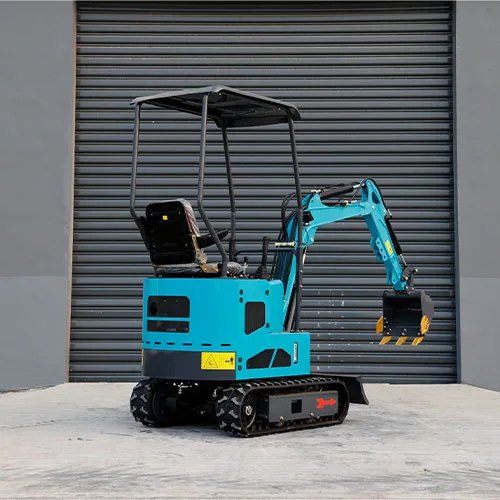
Tracks excavators are incredibly versatile machines that canbe equipped with a wide range of attachments to perform various tasks. Common attachments include:
- Buckets: General purpose, digging, trenching, and grading buckets.
- Thumbs: Hydraulic thumbs for grabbing and placing objects.
- Hammers: Hydraulic hammers for breaking up concrete and rock.
- Augers: Augers for drilling holes for foundations and utilities.
- Grapples: Grapples for handling logs, debris, and other materials.
With these attachments, tracks excavators find applications in numerous industries, including:
- Construction: Excavating foundations, digging trenches, grading land, and material handling.
- Mining: Removing overburden, extracting minerals, and loading materials.
- Road construction: Building roads, bridges, and other infrastructure.
- Landscaping: Shaping terrain, digging ponds, and planting trees.
- Demolition: Demolishing buildings and structures.
Conclusion
Tracks excavators are indispensable tools in the construction and related industries. Their robust design, powerful hydraulics, and versatile attachments make them ideal for a wide range of applications. By carefully considering the factors outlined in this guide, you can choose the right tracks excavator to meet your project needs and maximize productivity.
FAQ
Q: What is the difference between tracks excavators and wheeled excavators?
A: Tracks excavators operate on a continuous track system, providing superior stability and traction on uneven terrains. Wheeled excavators, on the other hand, move on tires, offering greater mobility on paved surfaces.
Q: How do I maintain a tracks excavator?
A: Regular maintenance is crucial for ensuring the longevity and optimal performance of your tracks excavator. This includes routine inspections, lubrication, fluid checks, and timely replacement of worn parts.
Q: What safety precautions should I take when operating a tracks excavator?
A: Always wear appropriate personal protective equipment (PPE), conduct pre-operation checks, be aware of your surroundings, and follow safe operating procedures outlined in the manufacturer’s manual.
Q: How much does a tracks excavator cost?
A: The cost of a tracks excavator varies depending on its size, features, and brand. Compact excavators typically cost less than standard or large excavators.
Q: Where can I buy or rent a tracks excavator?
A: You can buy or rent tracks excavators from authorized dealers, construction equipment rental companies, and online marketplaces.