
Table of Contents
Introduction

A wheel loader, often simply referred to as a loader, is a versatile and robust piece of heavy equipment commonly used in construction, mining, agriculture, and logistics operations. It is a type of tractor equipped with a large bucket or attachment at the front, which is used to lift and move materials such as soil, sand, rock, and debris. Unlike its tracked counterpart, the skid steer loader, the wheel loader is mounted on four wheels, allowing for greater mobility and speed on hard surfaces.
Its design typically features a front-mounted lifting mechanism, known as a boom, with a bucket or other specialized attachment. This enables the machine to perform a wide range of tasks, from loading trucks and stockpiling materials to clearing snow and grading surfaces. The versatility of the wheel loader makes it an indispensable tool across various industries, contributing significantly to productivity and operational efficiency.
The wheel loader has evolved significantly over the decades, with advancements in engine technology, hydraulics, automation, and operator comfort. Modern versions often come equipped with GPS systems, intelligent control panels, and fuel-efficient engines, enhancing both performance and sustainability.
How a Wheel Loader Works
Understanding the operational mechanics of a wheel loader is essential to appreciating its utility. The machine is composed of several key components: the engine, transmission, hydraulic system, lifting arms (booms), bucket or attachment, and wheels. The engine powers the entire unit, while the transmission controls the direction and speed of movement. The hydraulic system is responsible for lifting and lowering the bucket, enabling the operator to manipulate materials with precision.
The lifting arms, or booms, are connected to the bucket and are raised or lowered using hydraulic cylinders. The bucket itself can be changed depending on the task at hand—some are designed for scooping loose materials like sand or gravel, while others are specialized for handling pallets, drums, or logs. Attachments such as grapples, forks, and sweepers further expand the machine’s functionality.
Steering is typically accomplished via a conventional steering wheel, allowing the operator to maneuver the machine with ease. The four-wheel drive system enhances traction, particularly in rough terrain. Some models also feature articulated steering, where the machine bends in the middle for tighter turns and greater agility.
Common Applications of Wheel Loaders
Wheel loaders are employed in a wide array of applications across multiple sectors. Their adaptability and efficiency make them ideal for use in:
- Construction Sites: Loading and unloading materials such as concrete, bricks, and steel beams.
- Mining Operations: Moving large quantities of ore, rock, and overburden.
- Agriculture: Handling feed, grain, and manure, as well as clearing debris and snow.
- Ports and Logistics Hubs: Assisting in cargo loading and material handling.
- Quarries and Sandpits: Transporting raw materials from extraction points to processing stations.
In urban environments, compact wheel loaders are often used for snow removal, landscaping, and street maintenance. In rural settings, they support farming operations by assisting in feed handling and barn cleaning. In industrial complexes, they support loading and unloading of goods in warehouses and distribution centers.
Their ability to work with multiple attachments—such as pallet forks, bale clamps, and snow blowers—further enhances their utility. In emergency response scenarios, wheel loaders are used to clear debris after natural disasters or accidents.
To learn more, click below:
Market Demand for Wheel Loaders Across Different Regions
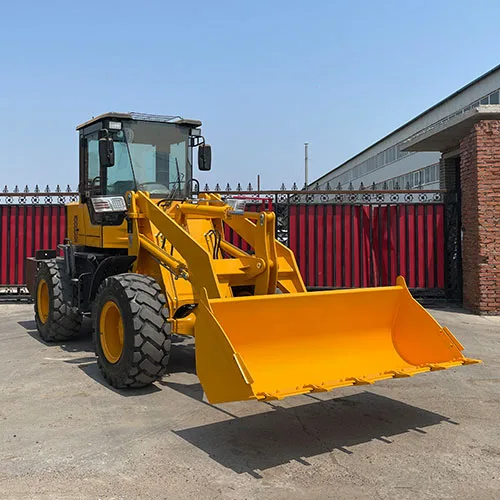
The global demand for wheel loaders is shaped by regional economic development, infrastructure investment, and industry growth. Here’s a breakdown of key markets and their unique dynamics:
| Region | Market Drivers | Notable Trends | Leading Brands |
|---|---|---|---|
| North America | Construction boom, logistics expansion | Adoption of electric and hybrid models | Caterpillar, John Deere, Volvo |
| Europe | Green construction, strict emission norms | Rise in compact and eco-friendly models | Liebherr, Wacker Neuson, JCB |
| Asia-Pacific | Urbanization, mining and agriculture growth | High demand for mid-sized and affordable models | XCMG, Sany, Hitachi |
| Middle East | Infrastructure development, oil & gas projects | High demand for heavy-duty models | Caterpillar, Hyundai, Komatsu |
| Africa | Mining and agricultural development | Preference for durable and low-maintenance models | Case, LiuGong, Bell Equipment |
| South America | Agro-industry and mining | Demand for versatile and multi-attachment models | Caterpillar, CNH Industrial, Takeuchi |
In North America, the construction and logistics sectors are the primary drivers of wheel loader demand. The United States, in particular, sees steady growth due to ongoing infrastructure modernization projects.
Europe focuses heavily on sustainability, pushing for electric and low-emission models. The EU’s stringent emission regulations have led to increased investment in hybrid and electric wheel loaders.
Asia-Pacific is the fastest-growing market, fueled by rapid urbanization in countries like India and Indonesia. China, being a manufacturing hub, produces a large volume of wheel loaders for both domestic and international markets.
The Middle East relies heavily on wheel loaders for oil and gas operations, as well as large-scale infrastructure projects like those in Saudi Arabia and the UAE.
Africa’s demand is primarily driven by the mining and agricultural sectors, where machines need to be robust and easy to maintain.
South America sees strong demand in the agro-industrial sector, with Brazil and Argentina leading the way in adoption.
To learn more, click below:
- All Wheel Steer Skid Loader:6 Reasons Top Operators Choose
- 6 Critical Warning Signs When You Buy Wheel Loader
Key Features and Specifications of Modern Wheel Loaders
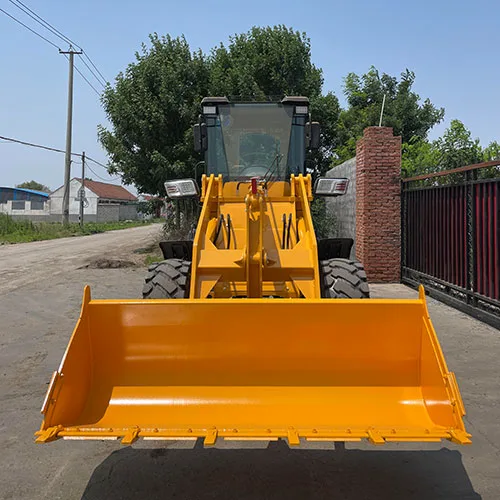
Modern wheel loaders are engineered with advanced features that enhance performance, safety, and efficiency. Some of the most notable attributes include:
- Engine Power: Ranging from 75 kW to over 300 kW, depending on the model and application.
- Operating Weight: Varies from 6,000 kg to more than 20,000 kg.
- Bucket Capacity: Typically between 1.5 m³ and 6 m³, with specialized buckets holding even more.
- Hydraulic Systems: High-pressure systems for faster lifting and attachment operation.
- Operator Cabins: Ergonomically designed cabins with climate control, noise reduction, and digital dashboards.
- Tires: Heavy-duty, wear-resistant tires designed for rough terrain and long operational hours.
- Attachments Compatibility: Quick-change systems allow easy switching between buckets, forks, grapples, and more.
- Fuel Efficiency: Advanced engines with Tier 4 compliance and improved combustion systems.
- Safety Features: Rollover protection systems (ROPS), falling object protection systems (FOPS), backup cameras, and warning alarms.
- Automation and Telematics: GPS tracking, remote diagnostics, and machine health monitoring systems.
These features make modern wheel loaders not only more powerful but also safer and more user-friendly. Telematics integration allows fleet managers to monitor usage, schedule maintenance, and optimize operations remotely.
Conclusion
As industries continue to evolve, so too does the role of the wheel loader. With increasing emphasis on automation, sustainability, and digital integration, the next generation of wheel loaders is poised to offer even greater efficiency and performance.
Electric and hybrid models are gaining traction, especially in urban and indoor applications where emissions and noise are concerns. Companies like Volvo and Caterpillar are already making significant strides in developing battery-powered loaders that deliver the same power and durability as their diesel counterparts.
Moreover, the integration of artificial intelligence and machine learning is expected to enhance operational autonomy. Future wheel loaders may feature semi-autonomous or fully autonomous capabilities, reducing reliance on human operators and improving safety in hazardous environments.
Governments and private sectors alike are investing in smart infrastructure, which will further drive the need for intelligent and adaptable equipment. As such, wheel loaders will continue to be a cornerstone of material handling across the globe.
Whether used in a bustling construction site or a remote mining operation, the wheel loader remains a symbol of industrial strength and versatility. As technology progresses, its capabilities will only expand, ensuring its relevance for decades to come.
FAQ
Q1: What is the difference between a wheel loader and a skid steer loader?
A1: A wheel loader is larger, faster, and mounted on four wheels, offering better mobility on paved surfaces. Skid steer loaders are smaller, more maneuverable, and track-based, making them ideal for tight spaces.
Q2: Can wheel loaders be used indoors?
A2: Yes, especially electric models which produce zero emissions and operate quietly, making them suitable for warehouses and enclosed facilities.
Q3: What types of attachments can be used with a wheel loader?
A3: Common attachments include standard buckets, pallet forks, bale clamps, snow blowers, sweepers, grapples, and multi-purpose tools.
Q4: How much does a wheel loader cost?
A4: Prices vary widely based on size, brand, and configuration. Entry-level models start around 50,000,whilehigh−endindustrialmodelscanexceed50,000,whilehigh−endindustrialmodelscanexceed200,000.
Q5: Are electric wheel loaders available?
A5: Yes, several manufacturers now offer electric models designed for indoor use and reduced environmental impact.
Q6: What is the average lifespan of a wheel loader?
A6: With proper maintenance, a wheel loader can last over 10,000 hours or more, depending on usage intensity and operating conditions.
Q7: What are the main maintenance considerations?
A7: Regular maintenance includes checking hydraulic fluid levels, tire pressure, engine oil, and filters. Periodic inspections of the boom and bucket are also essential.
Q8: Can wheel loaders be rented instead of purchased?
A8: Yes, rental options are widely available through equipment dealers and construction equipment rental companies, especially for short-term projects.
Q9: Are there different sizes of wheel loaders?
A9: Yes, they range from compact models under 10,000 kg to large industrial machines over 20,000 kg, each suited to different applications.
Q10: What safety precautions should operators take?
A10: Operators should wear seatbelts, maintain a clear view, avoid overloading, and follow all manufacturer guidelines and site-specific safety protocols.
Final Thoughts
In summary, the wheel loader is more than just a piece of construction equipment—it’s a vital asset that supports countless industries worldwide. Whether it’s moving earth on a construction site, clearing snow in a city, or transporting minerals in a mine, the wheel loader plays a critical role in maintaining productivity and efficiency.
Understanding what a wheel loader is, how it works, and where it is best applied can help businesses and operators make informed decisions when selecting equipment. As technology continues to advance, the future of the wheel loader looks promising, with smarter, greener, and more capable machines set to dominate the market.
Whether you’re a construction manager, mine operator, farmer, or logistics coordinator, the wheel loader remains one of the most indispensable tools in your arsenal. Its evolution reflects the broader trends in industrial machinery—greater efficiency, smarter automation, and a commitment to sustainability.
In the years to come, we can expect to see even more innovation in the world of wheel loaders, ensuring that they continue to meet the ever-changing demands of global industries.
Thank you for reading! If you found this content valuable, let’s keep the conversation going. For more insights, industry trends, and updates from Shandong Huaying International Trade Co., Ltd., be sure to connect with us on social media:
📌 Facebook: Shandong Huaying International Trade Co., Ltd.
We look forward to sharing more knowledge and opportunities with you. Let’s continue learning, growing, and innovating—together.