In today’s fast-paced logistics and industrial environment, purchasing a forklift is no longer a simple equipment transaction. For many businesses, forklifts are mission-critical assets that directly impact productivity, safety, and operating costs. This is why understanding what top forklift dealers truly offer buyers has become an essential part of the procurement process.
According to industry research, material handling inefficiencies can account for up to 25–30% of total warehouse operating costs. The right dealer does more than sell machinery—they help businesses reduce these inefficiencies through informed guidance, reliable service, and long-term planning. Buyers who choose wisely often see measurable improvements in uptime, labor efficiency, and total cost of ownership.
This article explores what professional forklift dealers provide beyond the product itself, helping buyers make confident, data-driven decisions.
Table of Contents
Key Takeaways from This Article
- What distinguishes top forklift dealers from average suppliers
- How dealer expertise influences safety, efficiency, and ROI
- Key services buyers should expect before and after purchase
- Important comparison frameworks for evaluating forklift dealers
- Data-backed insights and industry perspectives on dealer value
- Practical answers to common buyer questions
Understanding the Evolving Role of Forklift Dealers
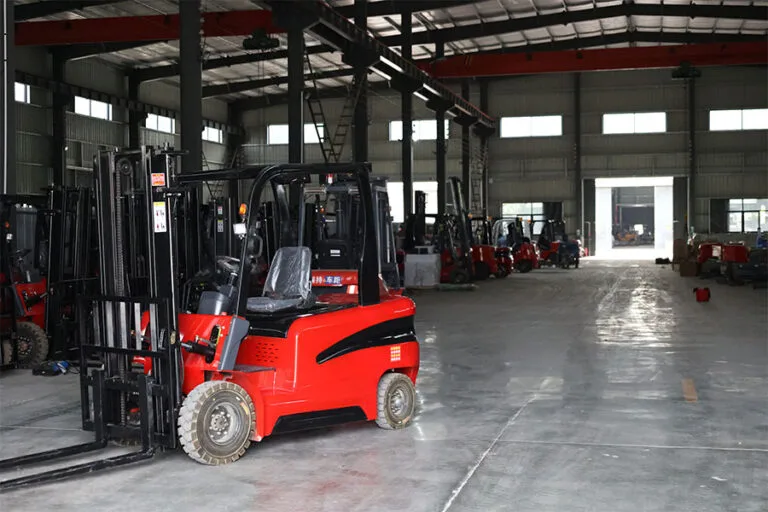
Forklift dealers have evolved alongside modern supply chains. They now operate at the intersection of equipment supply, operational consulting, and lifecycle management.
From Equipment Sellers to Solution Providers
Traditionally, forklift dealers focused on inventory and pricing. Today, leading forklift dealers position themselves as solution partners. They help buyers align equipment choices with workflow design, safety regulations, and future scalability.
This shift reflects a broader trend in industrial procurement: buyers increasingly value expertise and reliability over short-term cost savings.
The Impact of Dealer Quality on Operational Outcomes
Studies from logistics associations indicate that improper equipment selection contributes to a significant percentage of material handling incidents and downtime. Forklift dealers with strong application knowledge help mitigate these risks by recommending fit-for-purpose solutions.
Product Range and Equipment Depth Offered by Forklift Dealers
A broad and well-structured product portfolio is one of the strongest indicators of a professional dealer.
Forklift Types and Power Sources
Forklift dealers typically offer multiple power configurations to meet different operating environments.
| Forklift Type | Typical Application | Key Advantage |
|---|---|---|
| Electric Forklift | Indoor warehouses | Low emissions, quiet operation |
| Diesel Forklift | Outdoor yards | High torque, durability |
| LPG Forklift | Mixed environments | Flexible indoor/outdoor use |
| Reach Truck | Narrow aisles | High stacking efficiency |
Each option serves a specific operational purpose. Knowledgeable forklift dealers help buyers match these options to real-world usage rather than theoretical capacity.
New vs Used Forklifts: A Buyer-Centric Comparison
Forklift dealers commonly support both new and used equipment purchases, allowing buyers to balance cost and performance.
New Forklifts: Predictability and Longevity
New forklifts provide consistent performance, manufacturer warranties, and compliance with current safety standards. Forklift dealers often recommend new units for high-duty cycles or mission-critical operations.
Used Forklifts: Cost Control with Conditions
Used forklifts appeal to budget-conscious buyers or short-term projects. Reputable forklift dealers inspect, service, and document used equipment to ensure operational safety.
New vs Used Forklifts Comparison Table
| Factor | New Forklifts | Used Forklifts |
|---|---|---|
| Initial Cost | Higher | Lower |
| Warranty Coverage | Full manufacturer | Limited or dealer-based |
| Maintenance Risk | Lower | Moderate |
| Suitable Use | Long-term, heavy use | Light or temporary use |
Industry studies suggest that acquisition cost accounts for only 20–30% of a forklift’s total lifetime cost, making long-term considerations essential.
Value-Added Services That Define Top Forklift Dealers
Beyond equipment, services are where forklift dealers differentiate themselves.
Pre-Sales Needs Assessment
Professional forklift dealers conduct structured assessments covering load types, aisle widths, operating hours, and safety requirements. This process reduces mismatches and improves long-term performance.
Maintenance Programs and Technical Support
Preventive maintenance can reduce forklift downtime by up to 40%, according to maintenance studies. Forklift dealers offering scheduled service plans help stabilize operating costs and extend equipment lifespan.
Spare Parts Availability and Response Time
Fast access to genuine spare parts minimizes disruptions. Buyers should evaluate forklift dealers based on parts inventory depth and service response commitments.
Safety, Compliance, and Risk Reduction Support
Safety is a growing priority across industrial sectors, and forklift dealers play a role in supporting compliance.
Regulatory Awareness and Guidance
Forklift dealers often stay informed about regional safety standards and operational guidelines. This knowledge helps buyers avoid compliance gaps and potential penalties.
Operator Training and Best Practices
Although not always formal training providers, forklift dealers frequently offer operational guidance. Even basic instruction can significantly reduce accident rates and equipment damage.
Comparing Forklift Dealers: A Structured Evaluation Framework
Choosing among forklift dealers requires a structured approach.
Local Forklift Dealers vs Large-Scale Suppliers
Local forklift dealers often excel in responsiveness and on-site service. Larger suppliers may offer broader product selection and standardized pricing. Buyers should weigh service proximity against scale advantages.
Price Transparency vs Long-Term Value
Forklift dealers focused solely on price may overlook lifecycle considerations. Transparent dealers explain cost drivers and help buyers forecast long-term expenses.
Relationship-Based vs Transaction-Based Dealers
Relationship-oriented forklift dealers invest in long-term customer success. This approach benefits businesses with evolving equipment needs or expansion plans.
Data and Industry Perspectives on Forklift Dealers
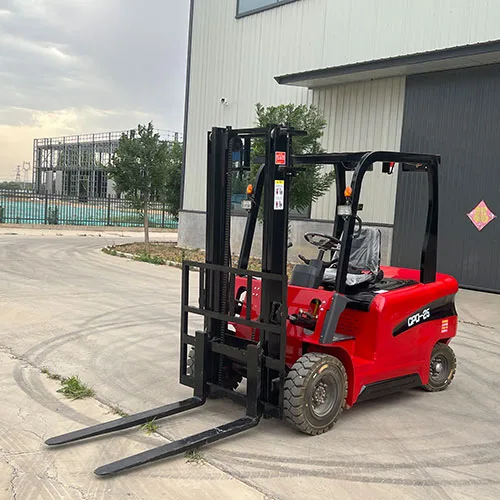
Industry reports consistently highlight dealer quality as a major determinant of equipment performance.
Uptime and Productivity Metrics
Operational data shows that forklifts supported by proactive dealer service achieve higher uptime rates. Reduced downtime directly correlates with improved throughput in warehouses and production facilities.
Expert Views on Dealer Selection
Material handling experts emphasize that dealer expertise often matters as much as equipment brand. Proper application support can extend equipment life and improve safety outcomes.
How Forklift Dealers Support Business Growth and Scalability
Forklift dealers can influence how efficiently businesses grow.
Fleet Planning and Optimization
As operations expand, forklift requirements change. Forklift dealers with planning experience help buyers add equipment strategically, avoiding redundancy and inefficiency.
Adaptation to Automation and Technology Trends
With increasing interest in automation and data-driven operations, forklift dealers help buyers understand emerging technologies. This guidance ensures investments remain relevant over time.
Common Buyer Misconceptions About Forklift Dealers
“All Dealers Sell the Same Forklifts”
While products may appear similar, forklift dealers differ significantly in service quality, expertise, and transparency. These differences affect long-term performance.
“Lowest Price Guarantees Best Deal”
Short-term savings can lead to higher maintenance costs. Experienced forklift dealers encourage buyers to consider lifecycle economics.
How Buyers Think During the Forklift Purchasing Process
Understanding buyer psychology helps explain why professional suppliers play such a critical role in equipment decisions. Most purchasing teams are not only evaluating machines, but also managing internal risk, budget accountability, and operational pressure.
Risk Avoidance as a Primary Driver
In many organizations, forklift purchases require approval from operations managers, safety officers, and finance teams. Decision-makers often prioritize reliability and predictability over novelty. A supplier that provides clear documentation, realistic expectations, and structured processes reduces perceived risk.
Accountability and Long-Term Responsibility
Once equipment is purchased, responsibility does not end. Buyers are accountable for uptime, safety incidents, and maintenance costs. This is why experienced providers who offer guidance beyond the initial transaction are often preferred, even if the upfront cost appears higher.
The Importance of Standardization in Material Handling Equipment
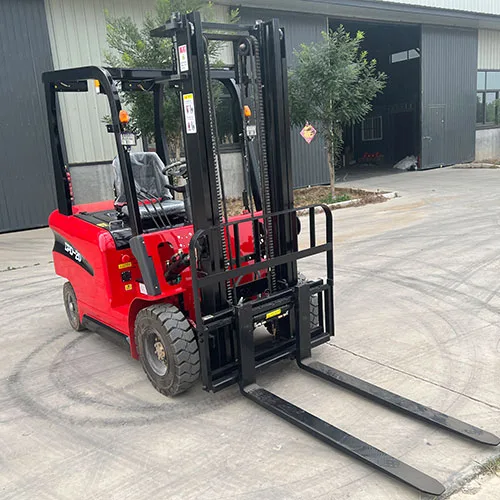
Standardization is an often-overlooked concept during forklift procurement, yet it has a direct impact on efficiency and cost control.
Fleet Consistency and Operator Familiarity
Using similar equipment models across a facility reduces training complexity and operator error. Suppliers who understand this principle can help buyers avoid fragmented fleets that increase learning curves and maintenance variability.
Simplified Maintenance and Spare Parts Management
A standardized fleet reduces the number of spare parts required and simplifies maintenance scheduling. This approach lowers inventory costs and shortens repair time, particularly in high-usage environments.
Ownership Models and Their Strategic Implications
Forklift procurement is not limited to outright purchase. Different ownership models serve different operational strategies.
Direct Ownership
Direct ownership offers full control over assets and is often preferred for stable, long-term operations. It allows companies to amortize costs over time and maintain equipment according to internal standards.
Short-Term Utilization Strategies
For seasonal operations or temporary projects, flexible acquisition strategies reduce capital lock-in. Professional suppliers can help evaluate whether short-term usage aligns better with financial planning and workload variability.
Decision Factors Beyond Price
Ownership decisions should consider usage intensity, expected operational changes, and internal maintenance capability. Price alone rarely reflects the true financial impact of an ownership model.
Energy Efficiency and Environmental Considerations
Sustainability has become an increasingly important factor in industrial purchasing decisions.
Energy Consumption and Operating Costs
Energy efficiency directly affects operating expenses. Modern electric equipment, for example, often delivers lower lifetime energy costs compared to traditional power sources. Suppliers who provide clear energy usage data help buyers quantify these differences.
Environmental Policies and Corporate Responsibility
Many companies now align equipment purchases with environmental targets. Choosing energy-efficient solutions supports compliance with internal sustainability goals and external regulations.
Technology Integration and the Modern Warehouse
Material handling equipment no longer operates in isolation. It increasingly integrates with broader warehouse systems.
Data Visibility and Performance Tracking
Some modern solutions allow basic performance tracking, such as usage hours and maintenance intervals. While not always required, this visibility supports data-driven decisions and proactive maintenance planning.
Preparing for Future Automation
Even in facilities that are not yet automated, forward-thinking buyers consider future compatibility. Equipment that can adapt to evolving workflows protects long-term investment value.
Supplier Communication and Transparency
Clear communication is a strong indicator of professionalism.
Documentation and Information Quality
Buyers benefit from clear specifications, maintenance schedules, and operating guidelines. Well-documented information reduces misunderstandings and improves internal coordination after purchase.
Setting Realistic Expectations
Overpromising leads to disappointment and operational disruption. Trusted partners provide realistic timelines, performance expectations, and cost projections, allowing buyers to plan accurately.
Service Culture and Organizational Maturity
The internal culture of a supplier often reflects the quality of service buyers receive.
Structured Processes vs Ad-Hoc Support
Organizations with structured service processes tend to deliver more consistent outcomes. Defined inspection routines, service intervals, and response protocols improve reliability.
Continuous Improvement Mindset
Suppliers that invest in training and process improvement are better equipped to adapt to changing customer needs. This mindset often translates into better long-term cooperation.
Comparing Decision Priorities Across Buyer Types
Different buyers evaluate equipment providers through different lenses.
Small and Medium-Sized Operations
Smaller operations often prioritize affordability and simplicity. Guidance that helps them avoid over-specification is particularly valuable.
Large-Scale and Multi-Site Operations
Larger organizations emphasize consistency, service coverage, and scalability. Strategic alignment and long-term planning matter more than short-term savings.
Long-Term Cost Awareness and Financial Planning

A growing number of buyers now approach forklift procurement as a financial planning exercise rather than a one-time purchase.
Predictability Over Lowest Cost
Predictable maintenance costs and stable performance reduce budget volatility. This predictability often outweighs marginal differences in purchase price.
Residual Value and Asset Lifespan
Equipment that retains resale value contributes positively to total financial performance. Guidance on proper usage and maintenance directly affects residual value.
Organizational Learning and Knowledge Transfer
Procurement decisions also influence organizational learning.
Internal Skill Development
When suppliers provide clear guidance and ongoing support, internal teams gain operational knowledge. This improves long-term efficiency and reduces dependence on external intervention.
Building Institutional Experience
Repeated cooperation with reliable partners builds institutional knowledge. Over time, this reduces decision friction and improves procurement outcomes.
Final Perspective: Beyond the Equipment Itself
Forklift procurement is ultimately a strategic decision that affects safety, efficiency, and financial performance. The most successful buyers look beyond the machine itself and evaluate the broader ecosystem of support, knowledge, and long-term reliability.
Suppliers that combine technical understanding, transparent communication, and structured service help organizations operate with greater confidence. As material handling environments become more complex, this holistic approach continues to grow in importance.
FAQ
How can buyers verify forklift dealers’ credibility?
Buyers should review service history, customer references, and documentation practices. Consistent service processes indicate reliability.
Do forklift dealers help with equipment selection?
Yes, professional forklift dealers assess operational needs and recommend suitable models. This reduces the risk of underperforming equipment.
Is after-sales support standard among forklift dealers?
Most reputable forklift dealers offer maintenance and repair services. Buyers should confirm service scope and response times in advance.
Are used forklifts from forklift dealers safe?
Used forklifts can be safe when properly inspected and serviced. Buyers should request maintenance records and condition reports.
What should buyers prioritize when comparing forklift dealers?
Key priorities include service quality, technical expertise, transparency, and long-term support—not just initial price.