Welcome to My Blog!
Before we dive into the content, I’d love for you to join me on my social media platforms where I share more insights, engage with the community, and post updates. Here’s how you can connect with me:
Now, let’s get started on our journey together. I hope you find the content here insightful, engaging, and valuable.
Table of Contents
Introduction
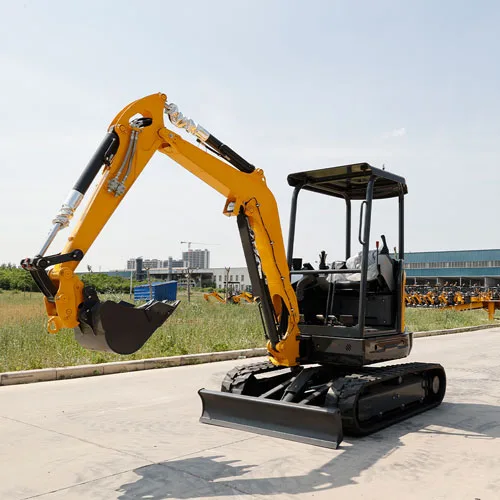
Wheeled mini excavators have become a pivotal piece of equipment for many contractors today. Their versatility and compact design make them suitable for a wide range of construction tasks. Unlike traditional tracked excavators, wheeled mini excavators offer increased mobility and speed, making them ideal for urban and tight space work. In this blog, we will explore why wheeled mini excavators are essential for contractors and how they can streamline various operations.
What Are Wheeled Mini Excavators?
A wheeled mini excavator is a small construction machine that combines the maneuverability of a wheeled vehicle with the digging capabilities of a larger excavator. The primary difference between wheeled mini excavators and tracked ones is the wheels—offering better speed and easier transportation across flat surfaces. These machines are perfect for working in confined spaces, such as residential areas, road construction, and light demolition tasks.
Wheeled mini excavators come in different sizes and configurations, allowing contractors to select the model that best fits the project’s requirements. Their versatility makes them an excellent choice for contractors who need a compact yet powerful machine capable of handling various tasks.
Key Advantages of Using these
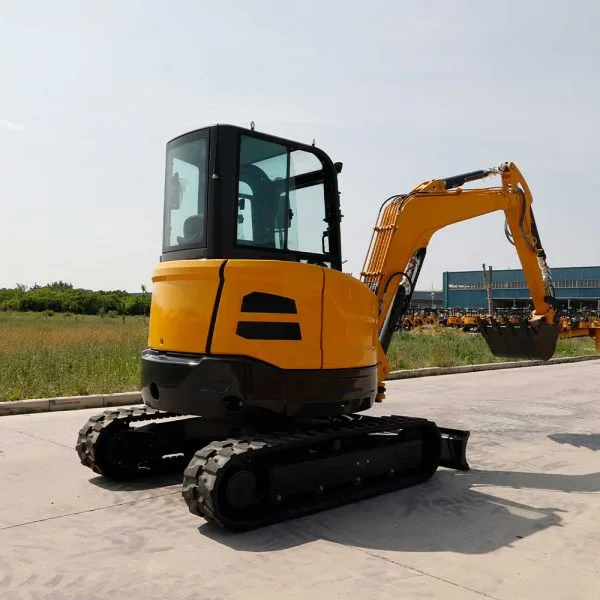
When choosing the right equipment, contractors must consider the nature of the job and the working conditions. Wheeled mini excavators provide numerous advantages for contractors in a variety of industries.
Increased Mobility and Speed
One of the most significant advantages of a wheeled mini excavator is its mobility. The wheeled design allows it to move faster across smooth surfaces, which can save valuable time on larger job sites. Contractors often need to move their equipment from one location to another, and wheeled mini excavators are highly efficient in this regard compared to tracked models.
Enhanced Maneuverability in Tight Spaces
Wheeled mini excavators excel in confined spaces, making them an excellent option for urban construction projects. Whether it’s working in narrow alleyways or around buildings, their compact size and ability to navigate easily around obstacles set them apart from larger, tracked machines.
Cost-Effective Operation
For contractors working in environments where soil conditions are less demanding, wheeled mini excavators are a cost-effective option. They consume less fuel and require fewer maintenance efforts than tracked models, leading to lower operating costs. Additionally, the reduced wear on tires compared to tracks can help contractors save money on replacement parts and upkeep.
Versatility in Attachments
Wheeled mini excavators can be fitted with a range of attachments, such as buckets, augers, or hydraulic hammers, which increases their flexibility on the job site. Contractors can easily switch attachments to perform various tasks without the need for additional equipment, boosting productivity.
Choosing the Right Wheeled Mini Excavator
When selecting a wheeled mini excavator for a project, contractors should consider several factors to ensure they choose the right machine. These factors include the size of the machine, the type of terrain, and the specific tasks required.
Key Factors to Consider:
- Weight Capacity: Ensure the machine can handle the weight and force required for digging, lifting, or transporting materials.
- Reach and Digging Depth: The reach of the arm and the depth of the dig are essential in determining whether the machine is suitable for the job at hand.
- Attachment Options: Consider the types of attachments you may need to use and ensure the machine can accommodate them.
- Mobility and Tires: Depending on your worksite, the size and type of tires may be crucial to ensuring mobility and traction on specific surfaces.
Table: Key Specifications of Wheeled Mini Excavators
| Feature | Description |
|---|---|
| Weight Range | Typically between 2 to 6 tons |
| Engine Power | Ranges from 30 to 80 HP depending on the model |
| Max Digging Depth | Usually 3 to 5 meters |
| Operating Weight | Can vary from 2,000 kg to 6,000 kg |
| Max Reach | Approximately 4 to 6 meters |
| Speed on Flat Terrain | Up to 30 km/h, offering great mobility |
This table provides a general overview of what to expect when looking at wheeled mini excavators. Of course, specific models and configurations may offer different features based on manufacturer specifications.
Common Applications of Wheeled Mini Excavators
Wheeled mini excavators are widely used across various construction sectors due to their versatility. Here are some common applications for contractors:
- Residential Projects: Wheeled mini excavators are often used in residential construction due to their compact size and ability to work around tight spaces such as backyards, driveways, and around homes.
- Urban Infrastructure: For city projects like road repairs or utilities maintenance, the ability to quickly move through traffic or narrow streets makes wheeled mini excavators an invaluable asset.
- Landscaping and Site Preparation: Wheeled mini excavators can be used for tasks like digging trenches, leveling land, and even for landscaping purposes such as tree planting.
- Demolition: With the right attachments, wheeled mini excavators can efficiently handle demolition tasks, especially in tight spaces where larger machines cannot fit.
Conclusion
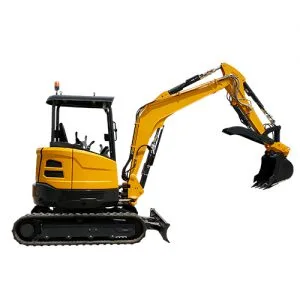
Wheeled mini excavators are essential tools for contractors seeking versatility, mobility, and cost-efficiency on their job sites. Their ability to navigate tight spaces, operate on smooth surfaces, and be equipped with various attachments makes them an ideal choice for a variety of construction tasks. Contractors looking to streamline their operations can benefit significantly from incorporating wheeled mini excavators into their equipment fleet.
FAQ
What is the difference between a wheeled mini excavator and a tracked mini excavator?
The primary difference is in the undercarriage—wheeled mini excavators use tires, providing greater mobility and speed on smooth surfaces, while tracked mini excavators use tracks for better stability and traction on rough terrain.
Are wheeled mini excavators suitable for demolition work?
Yes, with the right attachments, such as hydraulic hammers and shears, wheeled mini excavators can be very effective for demolition tasks, especially in urban environments where space is limited.
How do I maintain a wheeled mini excavator?
Regular maintenance includes checking tire pressure, oil levels, and ensuring that attachments are properly secured. It’s also important to clean the machine after each use and perform routine inspections to ensure optimal performance.